




What are circular fabrics?

Every year, in the fashion world, enormous quantities of fabrics and leathers remain unused, piling up in warehouses or ending up as waste. But what if these materials could be given a second life, transforming into new opportunities for brands, artisans, and professionals? Circular fabrics embody precisely this innovative approach: they reduce waste, enhance precious resources, and create unique collections, paving the way for a more sustainable and creative fashion model.
What are circular fabrics?
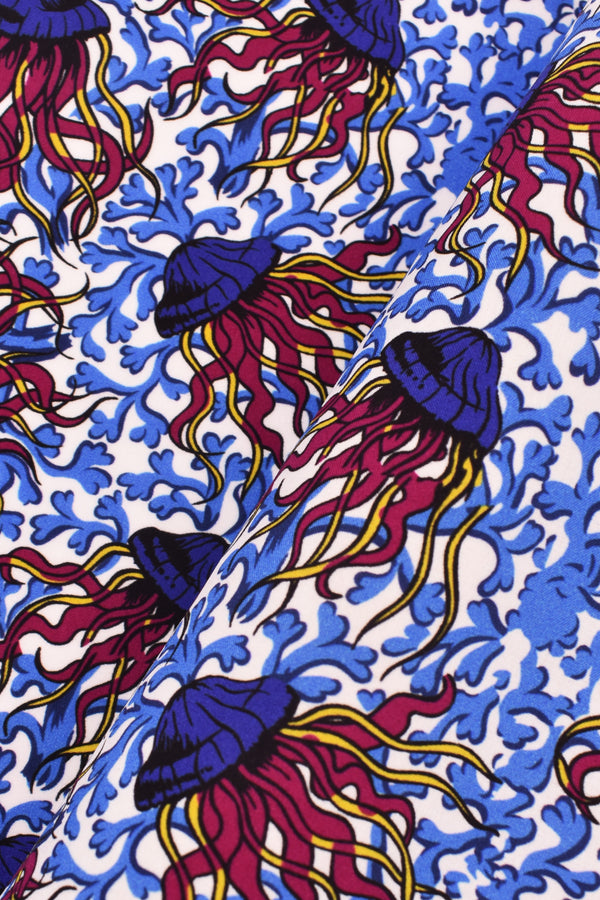
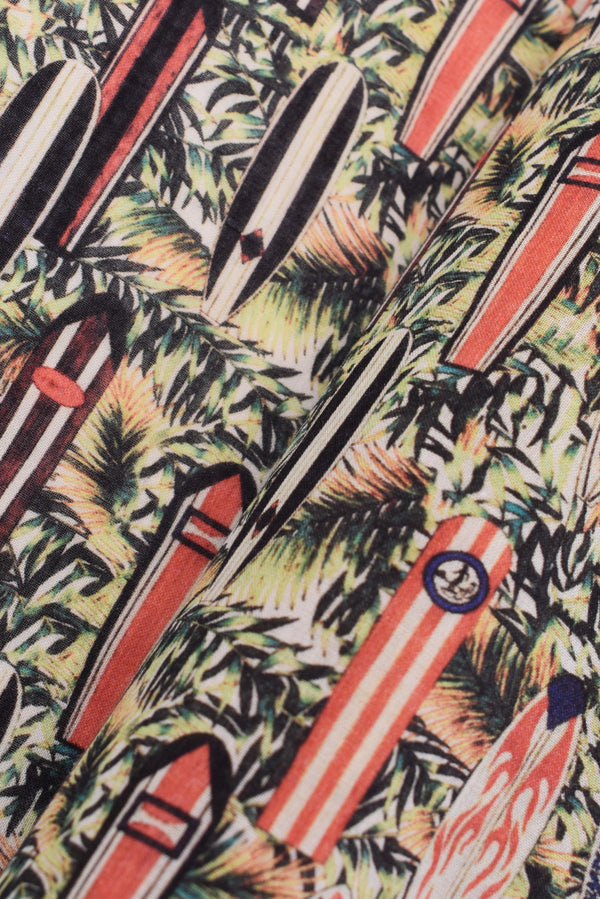
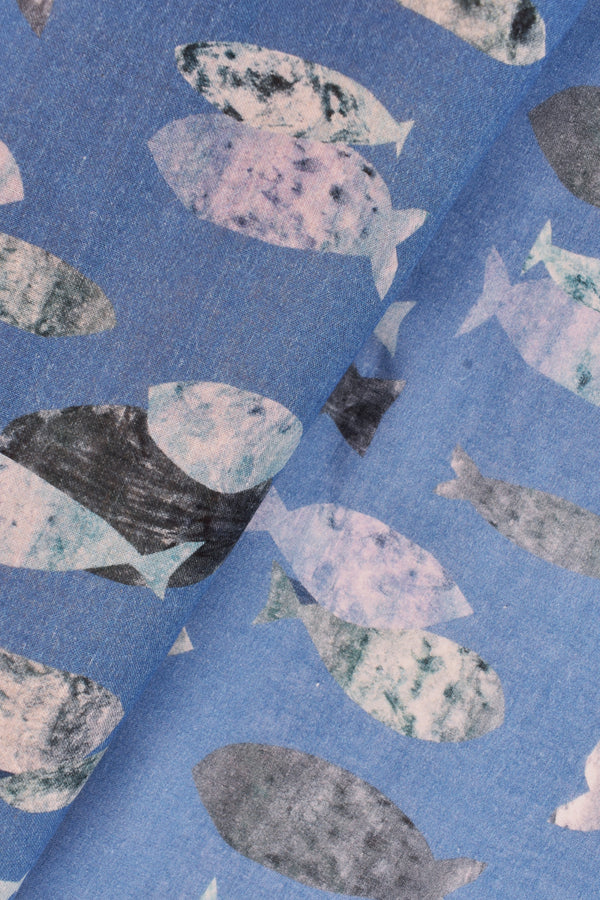
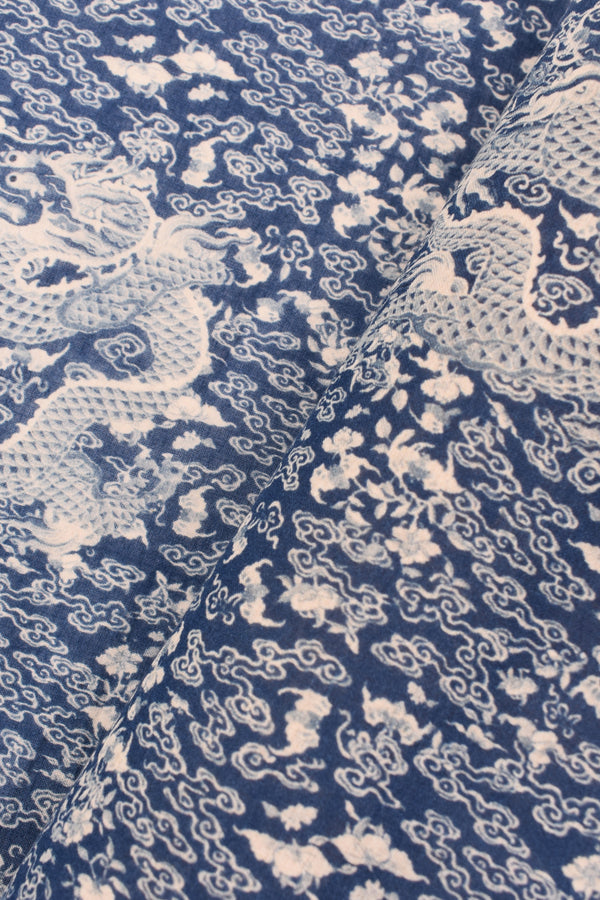
Circular fabrics are materials that fall within the principles of the circular economy and represent a concrete alternative to the traditional linear model, based on production, consumption, and disposal. These are leftovers, surpluses, or production scraps that, rather than becoming waste, find new life in the hands of artisans, brands, and fashion professionals, being recovered and reintroduced into the market.
In the fashion industry, waste is very common: it can arise from excess production compared to demand, from variations in collections, from minor defects that do not compromise the quality of the material, or from changes in creative direction that render entire batches of fabrics or leathers unused.
In a traditional system, these materials would remain in storage or be disposed of, with a negative environmental impact and a loss of economic value. Circular fabrics , however, are recovered and reintroduced into the market, offering new opportunities for brands, artisans, and industry professionals.
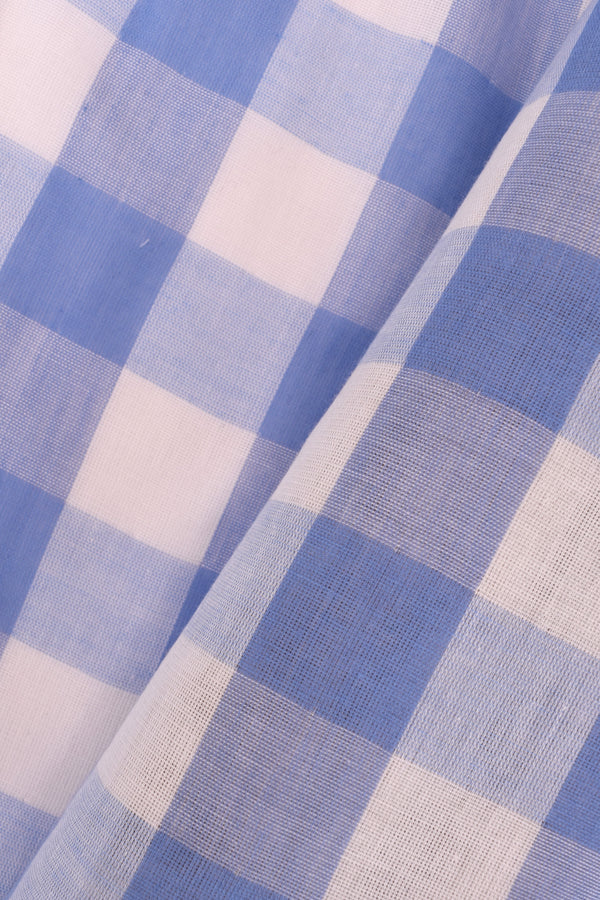
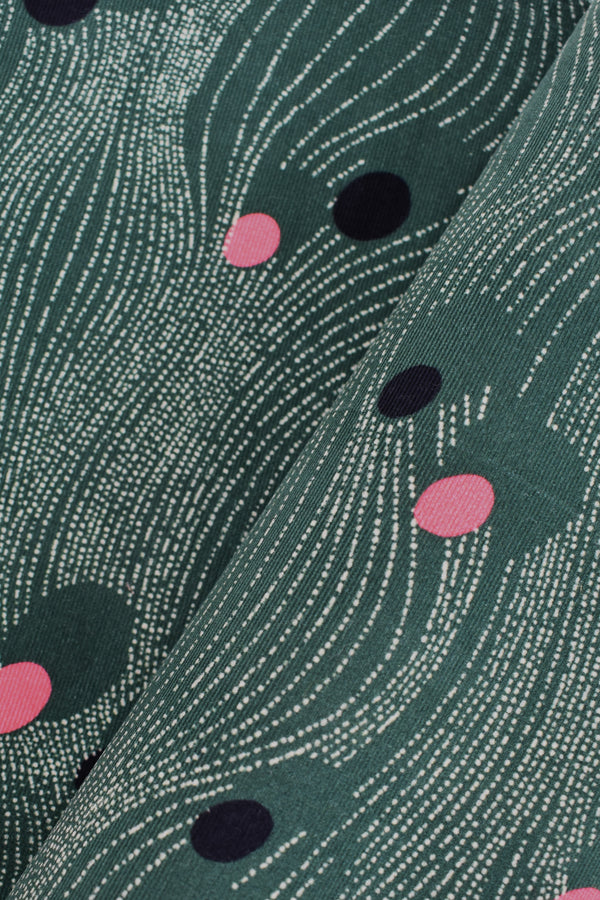
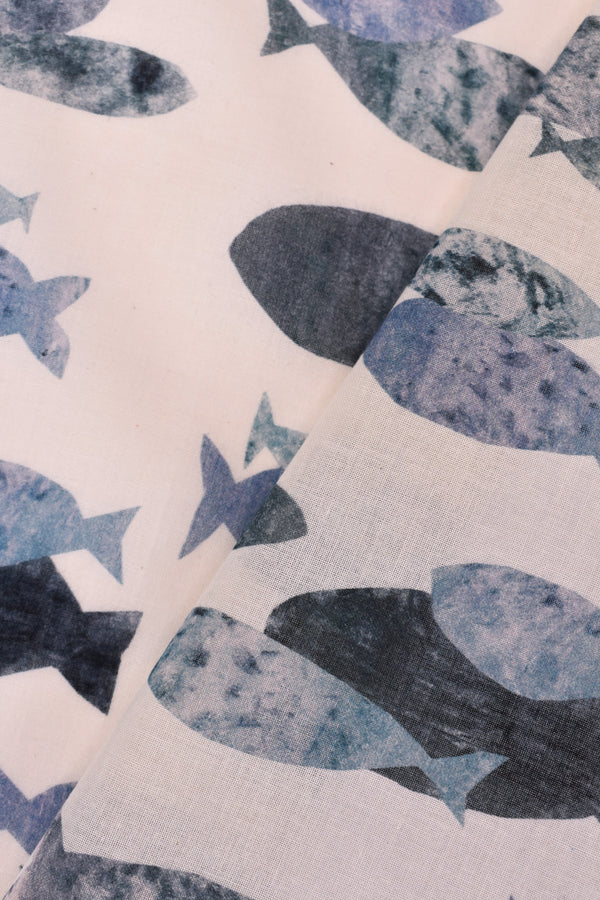
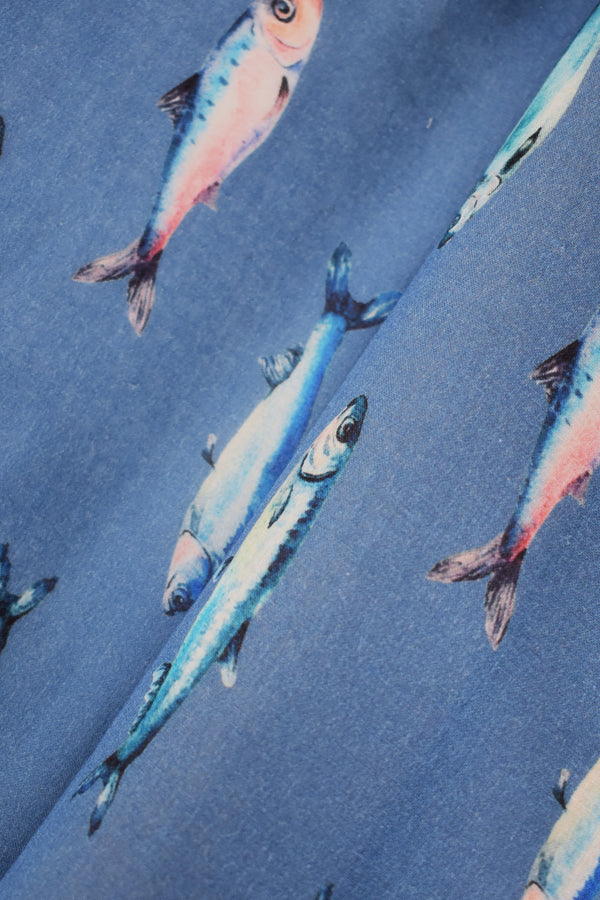
Why are recovered fabrics called “circular”?
The term " circular " describes a virtuous model in which materials do not exhaust their usefulness during their initial life cycle, but continue to generate value. In practice, what has not been used by a brand or manufacturer can be reintroduced into the system and transformed into new products. This logic differs radically from the linear model, where excess materials are destined for prolonged storage or disposal.
Thanks to circularity, fashion is moving towards a more sustainable paradigm: waste is reduced, existing resources are optimized, and designers and companies are given the opportunity to access high-quality materials without necessarily having to resort to new production.
What are the advantages of circular fabrics?
Working with circular fabrics offers tangible benefits, both environmental and economic. On the one hand, they reduce the supply chain's environmental impact by avoiding the production of additional materials and the disposal of surplus materials. On the other, they allow brands and professionals to access high-quality fabrics and leathers at more competitive costs.
But that's not all: integrating these materials into your collections allows you to tell customers a story of value, based on transparency and responsible choices. In a market where sustainability is increasingly in demand, this can represent a distinctive element and strengthen the brand's reputation.
Specifically, for brands, artisans and professionals, working with circular fabrics means:
- Reduce environmental impact by avoiding the disposal of valuable surpluses.
- Access unique materials often from the luxury sector.
- Optimize production costs , thanks to a range of high-quality materials already available on the market.
- Creating added value by telling your customers about a transparent and sustainable supply chain.


How are the different types of circular fabrics classified?
Circular fabrics can take on different shapes and types:
- Fabric deadstock : production leftovers from major fashion houses, often characterised by high quality, exclusive yarns and unique designs.
- Recovered leather : materials left unused in the leather goods and luxury fashion sector.
- Regenerated fibres : fabrics produced from recycled or regenerated fibres.
These materials find application in clothing, accessories, footwear, and even in the furniture sector, opening up new creative possibilities for those working in design and fashion.
Where to buy circular knitting machines: the Zerow model
A concrete example of a platform dedicated to circular fabrics is Zerow , a company that recovers luxury leftovers and reintroduces them to the market through a transparent and efficient digital model.
Zerow's approach is divided into three main phases.
- Recycling : Collaboration with fashion houses and companies to salvage valuable materials, both textiles and leather, that would otherwise go unused.
- Cataloging : each material is selected, measured, and described with detailed technical data sheets, providing professionals with all the information they need to work with it.
- Online sales : the constantly updated catalog is accessible directly through the platform, allowing artisans and brands to find quality solutions for their creations.
Choosing Zerow means not only access to exclusive and certified materials, but also actively contributing to the spread of a circular fashion model. In this way, what was destined to remain in warehouses becomes part of the creative process again, transforming into new products and new stories to tell.


