










Genuine Leather, Eco Leather, or Vegan Leather? A Simple Guide to the Differences

When it comes to materials for fashion, furniture, or accessories, there's often a lot of confusion between terms like Genuine Leather , Eco-Leather , Faux Leather , and Vegan Leather , often used interchangeably. In this article, we'll analyze the differences between these materials, offering a practical guide on how to tell them apart.
Genuine leather: What it is and why it is a recycled material
Genuine leather is a natural material obtained from animal skin, primarily cattle, which is treated and transformed for use in clothing, accessories, and furniture. It is a byproduct of the food industry , meaning it is derived from animals already used for meat or other food production. Raw leather, as it comes from the animal, is not immediately usable: it requires a series of treatments to become strong, soft, and durable.
The main process used to make genuine leather is tanning. This can be done using chemical or vegetable methods and is designed to stabilize the leather fibers, prevent degradation, and improve its mechanical properties. Tanned genuine leather retains characteristics that make it unique compared to synthetic materials, including flexibility, durability, and the ability to adapt to wear over time.
The main characteristics of genuine leather include:
-
Long-lasting , very high compared to alternative materials
-
Breathability , which allows the skin to “breathe”
-
Resistance and elasticity , suitable for garments and accessories subject to wear
-
Appearance that evolves with use , developing a natural patina
In short, genuine leather is a technical, natural, and versatile material, obtained from an animal by-product and transformed through tanning to ensure performance and durability over time.


Eco-leather: it's not what you think (and it shouldn't be confused with Faux leather).
Of all the fashion terms, eco-leather is one of the most misunderstood, ever since the 1990s when the term made its triumphant entrance into the industry. Contrary to popular belief, it is not a synthetic material. According to the UNI 11427:2011 standard The term "eco-leather" refers to animal leather that has been tanned using processes with a low environmental impact. However, it's still genuine animal leather.
In practice, the sustainable nature of eco-leather derives from the use of agents used during the tanning process and disposal, as eco-leather is processed with methods that reduce the use of chemicals compared to traditional tanning.
Eco-leather processing involves specific techniques, such as vegetable tanning or tanning with reduced use of chromium, which make the material resistant, flexible and suitable for various uses.
However, the term eco-leather is often mistakenly used to refer to synthetic leathers, materials completely free of animal products, generating confusion among consumers and manufacturers. Faux leather (or "Synthetic leather") is in fact a completely artificial material, composed of a textile backing covered with plastic materials (PVC or polyurethane), and is cheaper than real leather.
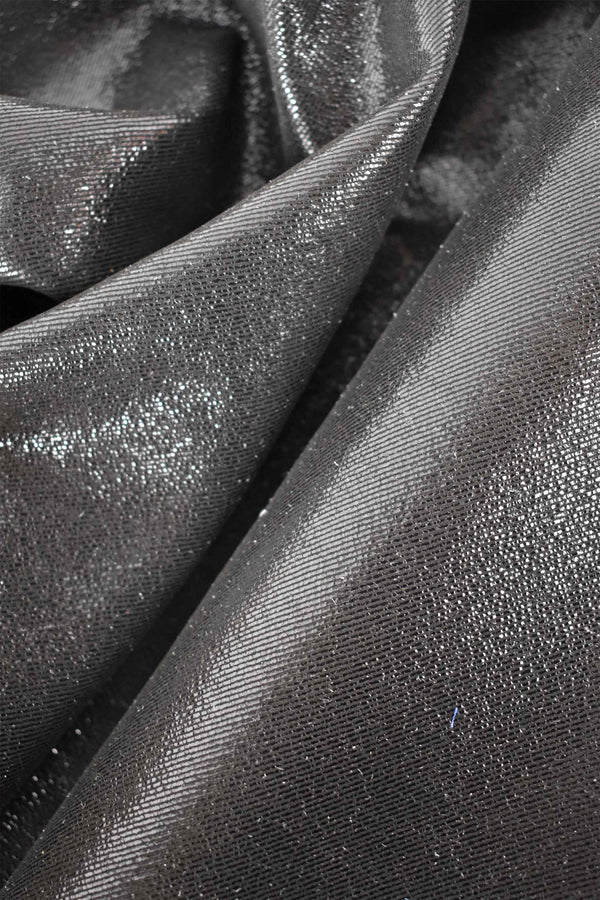
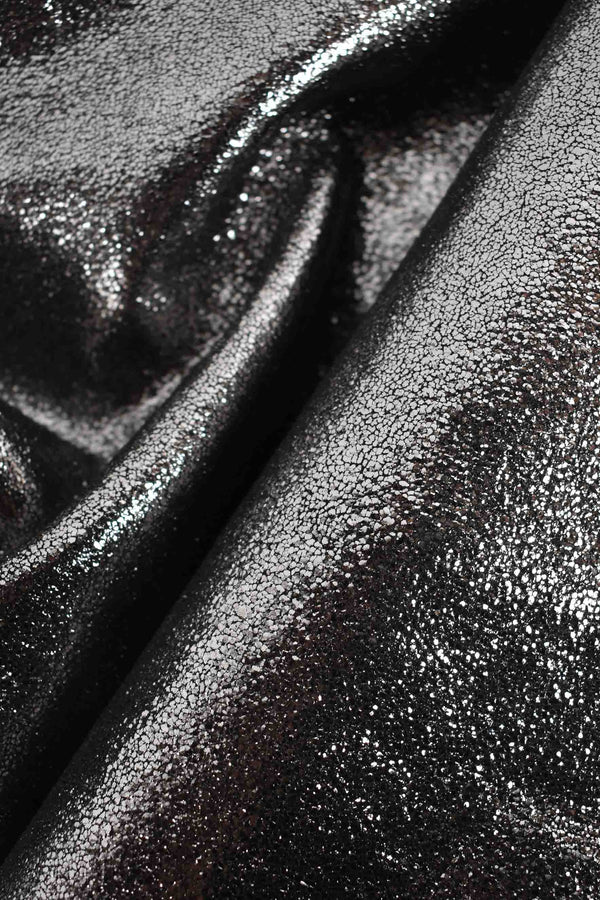
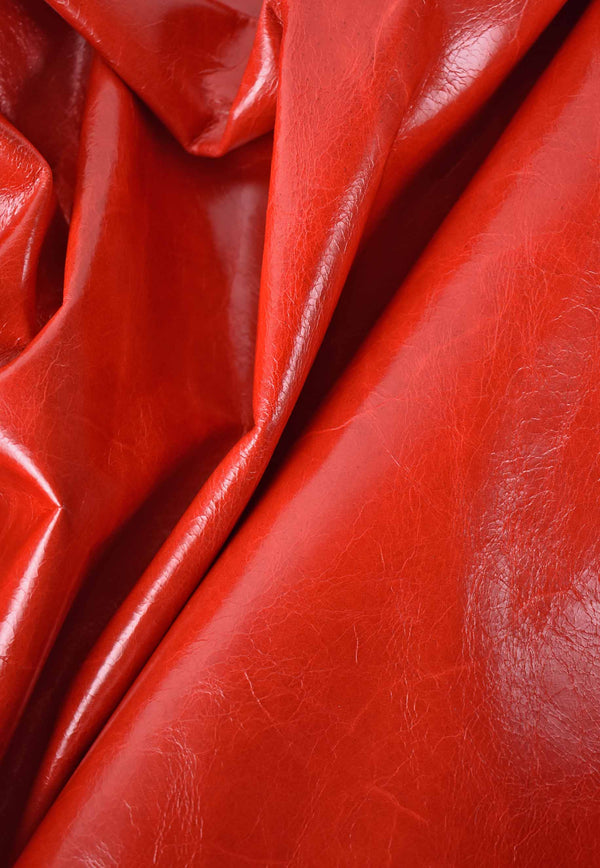
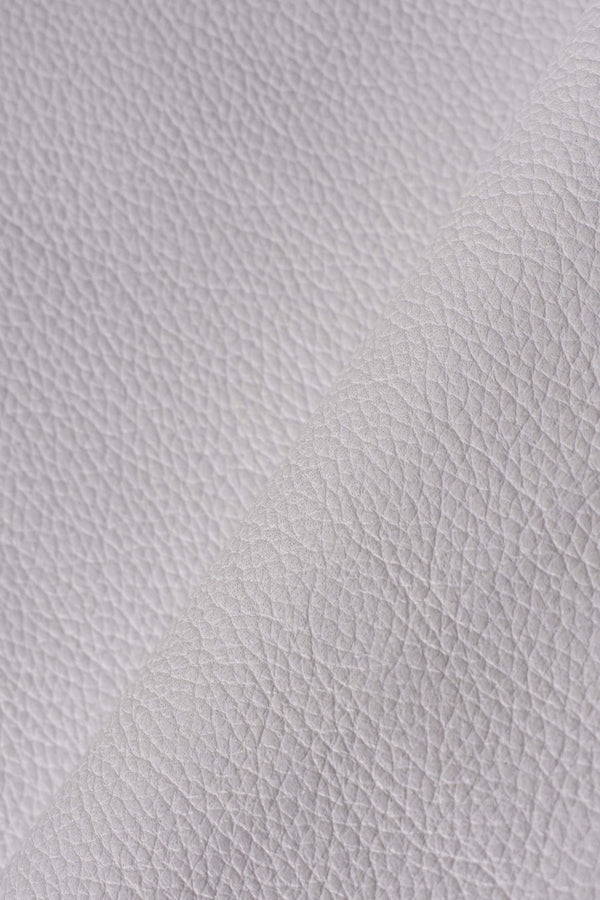
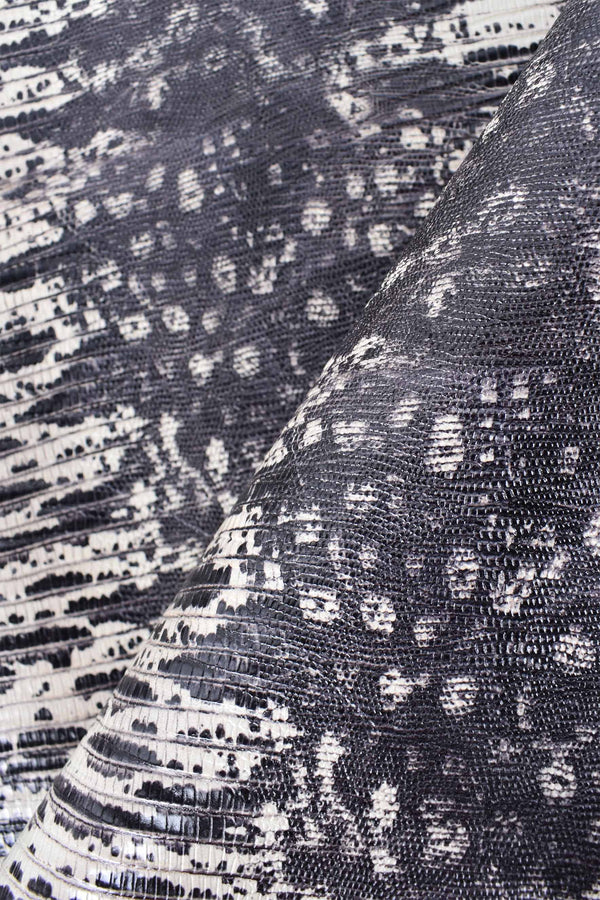
: invalid url input --> "Natural grained full grain calfskin bottalato 0.9 / 1.1 mm")
Vegan leather: a cruelty-free alternative, but with some limitations.
Vegan leather is a category of materials designed as an alternative to real leather , free from animal ingredients. In recent years, it has gained popularity thanks to the growing attention towards cruelty-free products and more ethical solutions for fashion and furniture.
Vegan leather (which isn't actually leather) is primarily made from organic compounds, such as plant fibers or materials derived from fruit and mycelium. To create a compact and durable material, these organic components are combined with plastics such as polyurethane (PU) or polyvinyl chloride (PVC), which act as a glue, giving the final product its shape and thickness.
The combination of organic and plastic components allows vegan leather to resemble real leather. However, the material has some technical limitations related to its composition and manufacturing process. Compared to animal leather, vegan leather tends to be less durable, less breathable, and more difficult to dispose of at the end of its life, especially when it contains synthetic plastics.
The main weaknesses of vegan leather include:
-
Shorter lifespan than real leather , with risk of cracking or breaking more quickly
-
Limited breathability , which can reduce comfort and performance
-
Difficulty in disposal , especially due to plastic-based materials
-
Even lower technical performance in terms of resistance and flexibility compared to animal skin
Despite these limitations, vegan leather has made great strides in recent decades, with innovations that continually improve the materials' appearance, durability, and versatility. While it cannot fully replace real leather in terms of performance, it represents a constantly evolving sector with great potential for the future.


Genuine leather, eco-leather and vegan leather compared.
Genuine leather , eco-leather , and vegan leather are materials with different characteristics and origins, and understanding the differences is useful for choosing the most suitable one for each project.
Genuine leather is a natural material of animal origin, subjected to traditional tanning with chemical products , used to stop the natural decomposition of the organic material and make it suitable for use.
The term eco-leather also refers to materials of animal origin but tanned with natural techniques with low environmental impact, maintaining many of the properties of real leather but with a lighter treatment.
Vegan leather , on the other hand, does not contain any animal components: it is made of organic materials combined with plastics that act as a glue, offering a similar appearance to leather but with different technical characteristics.
Where to buy genuine leather and eco-leather online
To purchase genuine leather and eco-leather online, industry professionals can turn to Zerow, a platform specializing in the sale of recycled materials from surplus stocks of major Italian luxury brands. On Zerow, you can choose from a wide range of readily available leathers, in specific sizes and thicknesses, without having to contact traditional suppliers or manage complex orders.
The platform allows you to filter materials by type, color, and size, making it easy to purchase genuine and eco- leather for tailoring projects, accessories, or samples.
FAQ
How can I buy genuine leather online from Zerow?
Purchasing on Zerow is simple: simply select the desired leather from our online catalog, add it to your cart, and complete your order by following the payment instructions. All details regarding the type of leather, thickness, and size are available on the product pages to make your choice easier.
Does Zerow also sell eco-leather?
Yes, Zerow offers a wide range of eco-leather, sourced from surplus stock from major fashion houses, available in various colors and finishes to meet professional needs.
Is it possible to find vegan leather on Zerow?
Zerow currently focuses exclusively on animal-based materials, such as genuine leather and eco-leather, but you can contact the platform for information on possible vegan leather supplies.
What types of leather are available on Zerow?
Zerow offers various types of genuine leather and eco-leather, with various colors, thicknesses, and finishes, designed for garments, accessories, and professional furnishings.
Can I order samples of real or faux leather before purchasing large quantities?
Yes, Zerow allows you to order samples to check the color, thickness, and texture of the leather before purchasing.
What are the shipping times?
Orders are generally delivered within 7-10 business days from order confirmation. Times may vary depending on material availability and delivery destination.
Is it possible to return purchased materials?
We only accept returns in the event of defects or non-conformity of the material. In these cases, please contact our customer service within 14 days of receiving your order, specifying the problem, and we will guide you through the return or exchange process.


