






What is deadstock? Meaning, examples and why it matters in fashion
What deadstock means, where it comes from, how it differs from waste and seconds, why the EU ban on destroying unsold goods makes it topical, and how it works on Zerow.

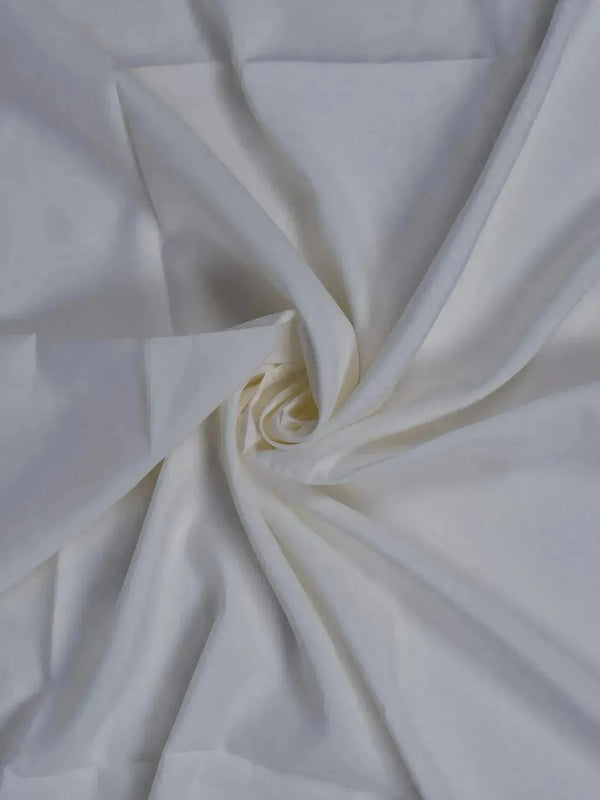
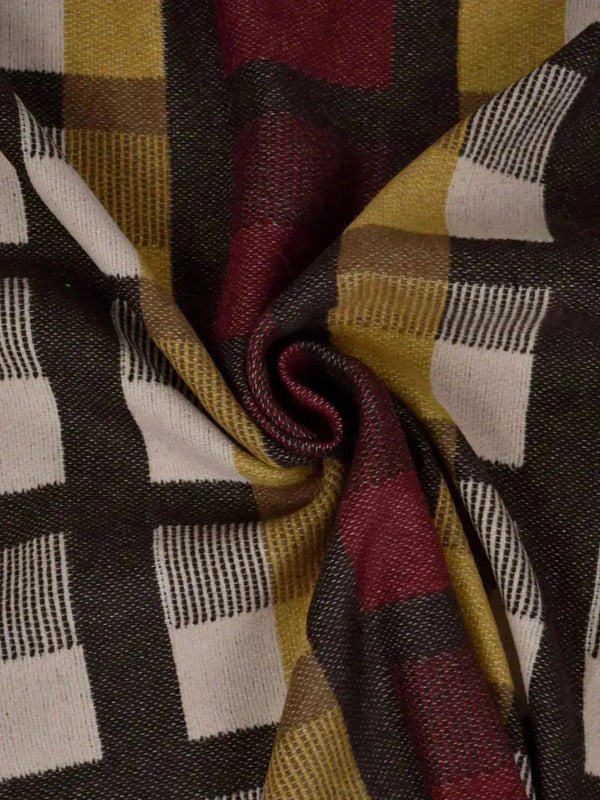
Deadstock means new materials or goods left unsold or unused in a warehouse. In fashion it mostly refers to fabric and leather made for a collection and never cut: surplus yardage, dropped colours, end-of-run stock. This surplus is new, often of very high quality, and it has moved to the centre of circular fashion, helped by new EU rules on unsold goods.
This article explains what deadstock means, where it comes from, how it differs from waste and seconds, why it matters now, how brands and ateliers use it, and how it works on Zerow, where you can buy deadstock fabric and leather from Italian luxury houses and mills.
What deadstock means
The term comes from "dead stock": inventory that sits in a warehouse without being sold or used. It is used as an uncountable noun, so you buy deadstock or deadstock fabric, and the plural "deadstocks" is rarely used.
It is new, unused material that stayed out of production for a commercial reason: too many metres ordered, a colour dropped, a collection closed.
Deadstock in fashion: fabric, leather and garments
- Fabric: rolls bought by brands or woven by mills and left whole or partly unused.
- Leather: hides tanned and finished for a collection and never cut.
- Finished goods: garments, accessories and footwear left unsold.
In sneaker culture the word has its own meaning: a "deadstock" pair is brand new, never worn and still boxed. It is the same idea of a new, untouched product, applied to collecting.




Where deadstock comes from
No fashion company produces exactly what it sells. Surplus grows in the gap between what is ordered and what is actually used:
- fabric and leather over-ordered as a safety margin;
- colours and variants dropped when the collection is finalised;
- end-of-run stock and closed collections;
- sampling lengths for prototypes that never went into production;
- supplier minimums higher than real needs.
Deadstock, waste and seconds: the differences
| Term | What it means | Quality |
|---|---|---|
| Deadstock | New material left unused | Full, the same as in garments on sale |
| Seconds | Material with minor production flaws | Lower, to be checked piece by piece |
| Cutting waste | Offcuts left after cutting garments | Good, but in small, irregular pieces |
| Recycled material | Fibre recovered from waste or used garments | Depends on the process |
Why deadstock matters now: the EU ban on destroying unsold goods
For years, part of fashion's unsold stock was destroyed to protect brand image or clear warehouses. Since 19 July 2026, the EU Ecodesign for Sustainable Products Regulation (ESPR) bans large companies from destroying unsold apparel, clothing accessories and footwear, with limited exceptions. Medium-sized companies follow from 2030, and micro and small companies are exempt, as the European Circular Economy Stakeholder Platform explains.
The ban covers finished products, while fabric rolls and hides fall outside it, yet it has changed how the whole supply chain looks at surplus: unsold stock now has to be managed, tracked and put back into use. For brands getting organised, Zerow has built Zerow Circular, a platform that helps manage unsold inventory in line with the new rules.
Designers and customers also want materials with a clear story and a smaller footprint. Working with surplus means using what already exists, with no new fibre, yarn or dye.
How deadstock is used
- Capsules and limited editions, where limited quantity becomes part of the value.
- Small runs by emerging labels, who get fashion-house materials without production minimums.
- Tailoring and made-to-measure, where a few metres of excellent cloth are enough.
- Prototypes and sampling, to test a design in the right material.
- Leather goods and accessories, with finished hides ready to cut.


Pros and cons of surplus materials
| Pros | Cons |
|---|---|
| Couture-grade quality, new material | Limited, often unrepeatable quantities |
| No new fibre, yarn or dye production | Hard to use for collections that need restocking |
| Access to materials that usually carry high minimums | Colours and variants depend on what is available |
| Unique finished pieces | You need to buy the full quantity in one go |
Deadstock on Zerow: fabric and leather
Zerow sells surplus from Italian luxury houses and mills, already made and so needing no new production. Fabrics are sold by the full roll, plus a selection cut to length, usually from a minimum of 10 metres; leathers are sold by the hide, with the average m² shown on each product page. Businesses with a VAT number have dedicated terms, and samples are available to everyone.
To go further, read our guide to buying deadstock fabric, our guide to the types of fabric and our guide to the types of leather.
Shop all fabrics · Shop all leather
Deadstock FAQs
What does deadstock mean?
Deadstock means new materials or goods left unsold or unused in a warehouse. In fashion it mostly refers to fabric and leather made for a collection and never cut.
Is deadstock used or second-hand?
No. It is new, unworked material with the same qualities as the fabric or leather in garments on sale. It stayed in stock because of quantities or collection planning.
What is the difference between deadstock and waste?
Waste is what is left over from production, such as cutting offcuts, or flawed material. Deadstock is intact material, in whole rolls or hides, ready to use.
What changes with the EU ban on destroying unsold goods?
Since 19 July 2026, large companies can no longer destroy unsold apparel, clothing accessories and footwear, with limited exceptions; medium-sized companies follow in 2030. The ban pushes brands to manage surplus and put it back into use.
Where does Zerow's deadstock come from?
From the surplus of Italian luxury houses and mills. Every fabric and hide is selected and listed with its composition, weight or thickness and size, so you know exactly what you are buying.
How do I buy fabric and leather on Zerow?
Directly online, from each product page. Fabrics are sold by the full roll, with a selection also cut to length, usually from a minimum of 10 metres. Leathers are sold by the hide.
Can I order a sample before buying?
Yes. Samples are available to all Zerow customers, private and business, for both fabric and leather.
Does Zerow ship internationally?
Yes. Zerow ships worldwide, both materials and samples.

