






Canvas fabric and plain weave: what they are, types and uses
A guide to canvas fabric and plain weave: what they are, what canvas is made of, the main types, characteristics, uses, sewing and care.

Canvas fabric is a heavy, tightly woven plain weave cloth, usually cotton or a cotton blend, used for bags, leather goods, accessories and workwear. Plain weave itself is the simplest weave: each weft thread passes alternately over and under one warp thread, creating a compact surface that looks the same on both sides and is very strong. The same weave produces very different cloths, from light shirting and voile to linen and fine wool.
This guide is for dressmakers, designers and brands. It covers what plain weave is, what canvas is, the main types, their characteristics, uses, how to work with them, and where to find deadstock canvas and plain weave fabrics on Zerow.
What plain weave is
A weave is the way warp threads (lengthwise) and weft threads (crosswise) interlace. As Britannica explains in its entry on plain weave, it is the simplest and most common weave: one thread over, one under, with the order reversed on the next pass. The result is a stable cloth with no obvious face or back.
| Weave | How threads interlace | Look | Examples |
|---|---|---|---|
| Plain | One over, one under | Flat, compact surface | Poplin, voile, oxford, canvas |
| Twill | The interlacing shifts by one thread each pass | Diagonal lines | Gabardine, denim, drill |
| Satin | Threads float over several others before interlacing | Smooth, lustrous surface | Satin, duchesse |
What canvas is, and what it is made of
Canvas is not a fibre but a type of cloth: a heavy, very dense plain weave, often with plied yarns, traditionally in cotton, linen or hemp and today also blended with polyester. It is tough, holds its shape and sews well, which is why it is used for bags, backpacks, shoes, aprons and covers. There are also bonded canvases, backed for leather goods, and waxed or coated canvases for water resistance.
Types of plain weave and canvas fabric
| Fabric | Character | Typical uses |
|---|---|---|
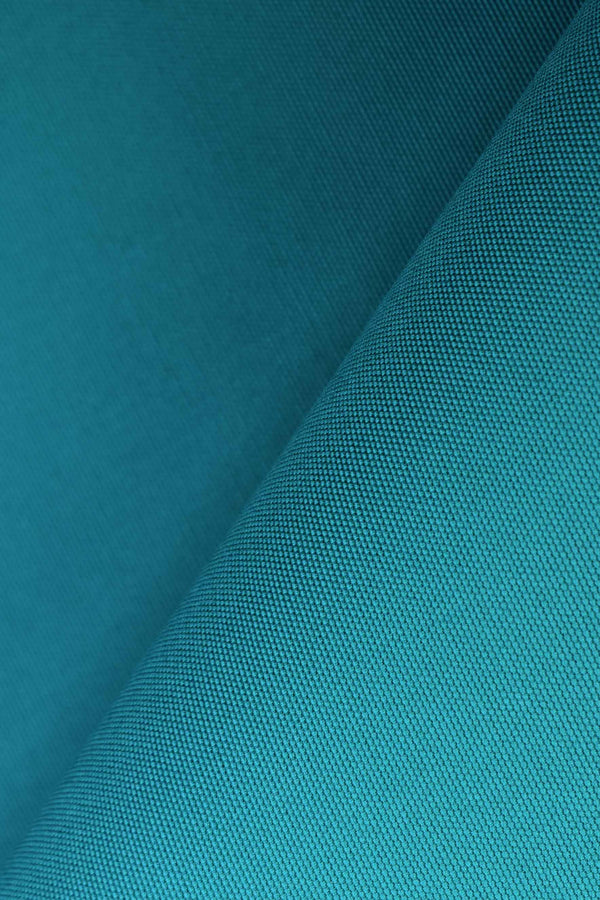
| Cotton plain weave | Compact, breathable, easy to sew | Shirts, dresses, trousers |
| Oxford | Basket-style plain weave with paired yarns | Shirts, casualwear |
| Voile | Very light, sheer plain weave | Blouses, curtains, light linings |
| Linen and linen blends | Cool, crisp handle with natural slubs | Summer clothing, table linen |
| Greige cloth | Undyed and unfinished, natural colour | Toiles, prototypes, dyeing |
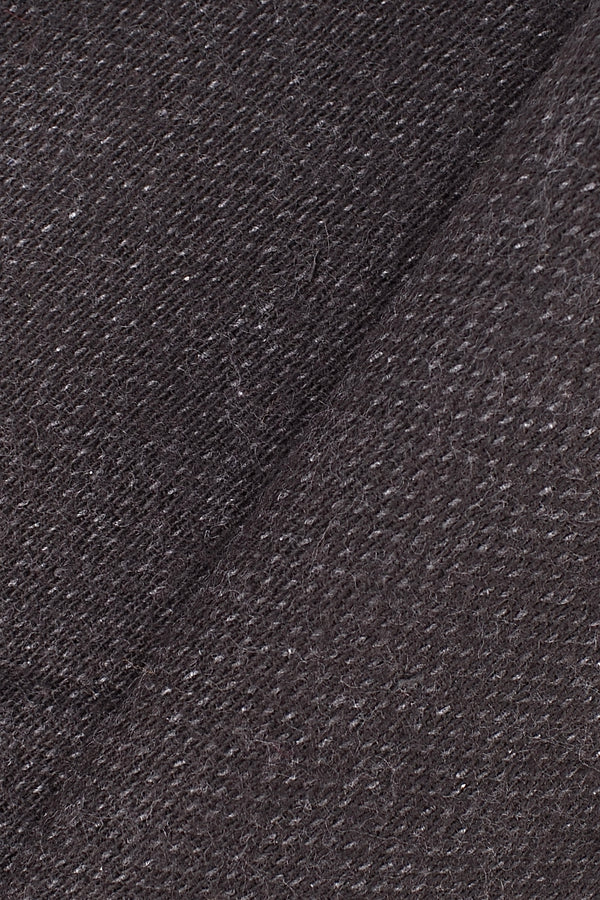
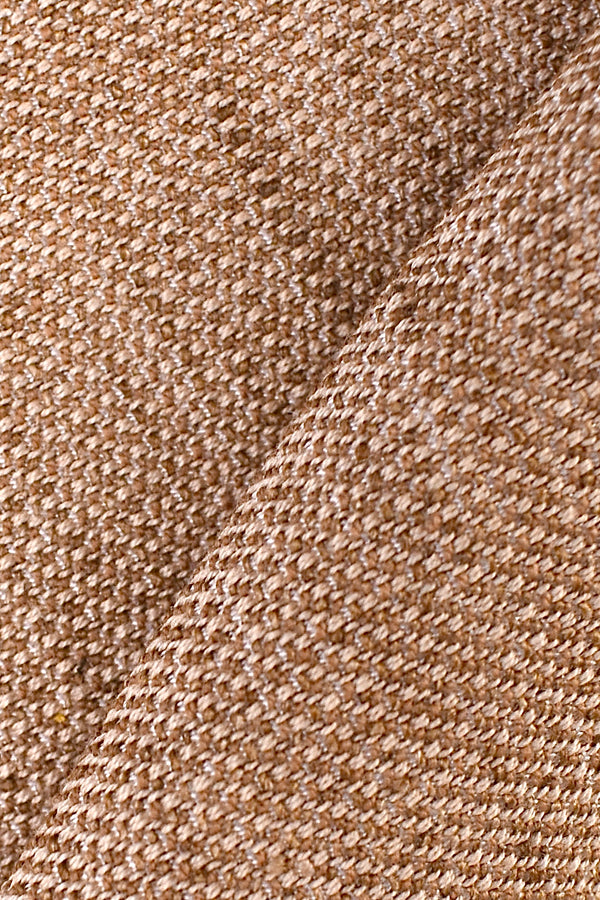
| Canvas | Heavy, dense, very strong | Bags, backpacks, shoes, workwear |
| Bonded canvas | Reinforced with a backing | Leather goods, structured bags |
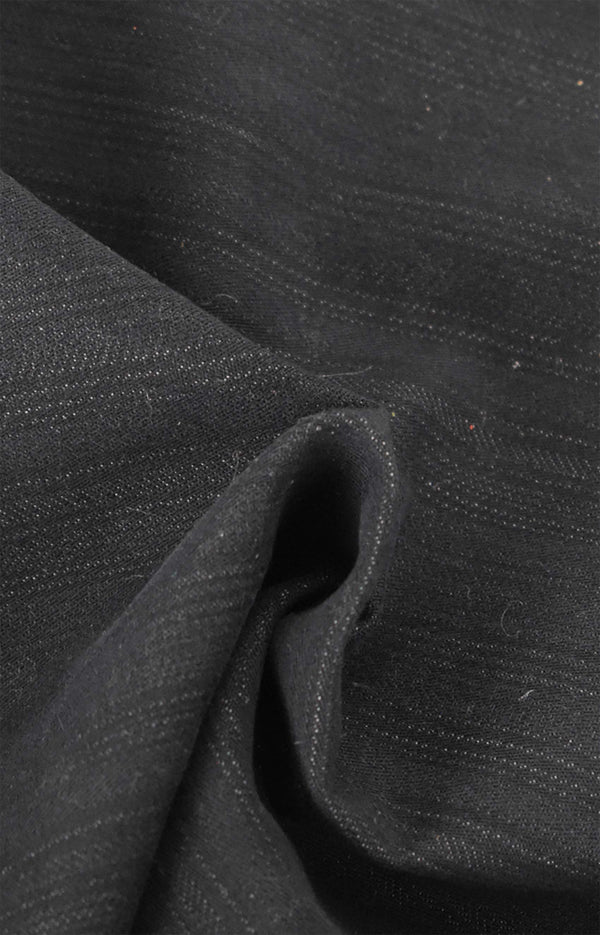
| Wool plain weave | Light and dry, often fine wool | Tailored suits and trousers |




Characteristics
- Strength: the tight interlacing makes plain weave tough and stable, with little fraying or distortion.
- Breathability: in natural fibres such as cotton and linen it lets air through well.
- Variable weight: from featherweight voile of a few dozen g/m² to canvas over 300 g/m².
- Handle: crisp and compact; it creases more than twill, especially in linen.
- Versatility: takes dyes, prints and finishes well.
What canvas and plain weave are used for
- Clothing: shirts, dresses, trousers, light jackets and summer pieces.
- Bags and leather goods: canvas and bonded canvas for bags, backpacks, linings and reinforcements.
- Footwear: uppers for sneakers and espadrilles.
- Interiors: cushions, curtains, light upholstery.
- Pattern making: greige cloth for testing patterns before the final cut.
For coated canvas and water-resistant cloth, read our guide to technical fabrics.
Sewing and care
- Pre-wash cotton and linen before cutting if the garment will be washed: natural fibres can shrink.
- Use a 70/10 to 80/12 needle for light cloth; for canvas, a 100/16 to 110/18 denim needle and strong thread.
- Finish seams with an overlocker or French seams, especially on light cloth.
- Press with steam and a hot iron for cotton and linen, medium heat for blends.
- Wash canvas at low temperatures and dry it in shape to avoid distortion.


Where to buy deadstock canvas fabric
Zerow sells deadstock canvas and plain weave fabrics: surplus and end-of-run cloth from Italian luxury houses and mills, already made and so needing no new production. Quantities are limited and often unrepeatable: once a roll is gone, that fabric may not come back.
Fabrics are sold by the full roll. There is also a selection of fabrics cut to length, usually from a minimum of 10 metres: the details of each fabric, including composition and how it is sold, are on the product page. Businesses with a VAT number have dedicated terms, and samples are available to everyone.
Our plain weave fabric collection includes cotton, linen and wool plain weaves, oxford, voile, greige cloth and canvas, including canvas for leather goods.
Canvas fabric FAQs
What is canvas fabric?
A heavy, dense plain weave cloth, usually cotton or a cotton blend, often with plied yarns. It is strong, holds its shape and is used for bags, shoes, accessories and workwear.
What is the difference between plain weave and canvas?
Canvas is a type of plain weave: heavier, denser and often made with plied yarns. All plain weaves share the same construction, but only the strong, heavy ones are called canvas.
Is canvas waterproof?
Not on its own: cotton canvas is dense and sheds a few drops, but it only becomes waterproof when waxed, coated or treated.
What is the difference between plain weave and twill?
In plain weave threads go one over, one under and the surface is flat; in twill the interlacing shifts each pass, creating diagonal lines and a softer, more fluid cloth.
Can I order a sample before buying?
Yes, samples are available to all Zerow customers, private and business. It is the best way to judge weight, handle and colour before ordering by the roll or cut to length.


