






Rayon vs cotton: what rayon is and how it compares
A guide to rayon: what it is, rayon and viscose, rayon vs cotton, whether rayon is bad for you and how to wash it.

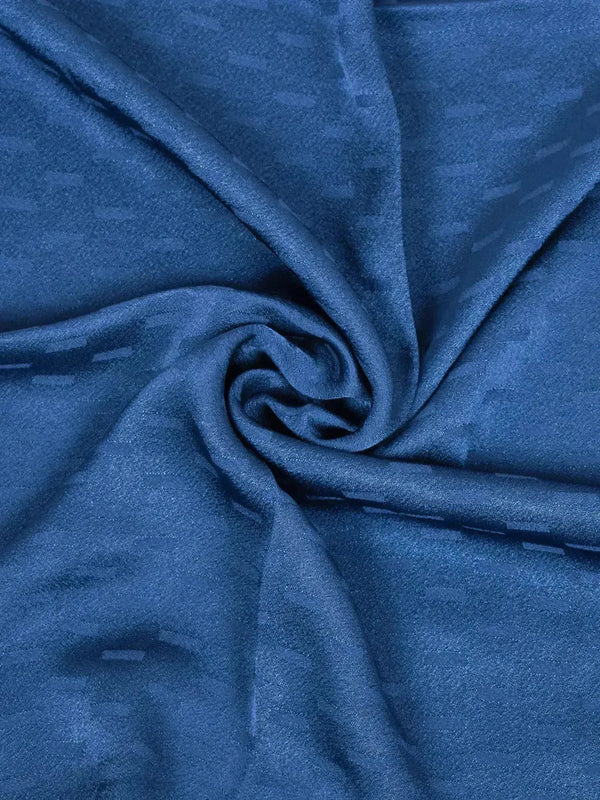
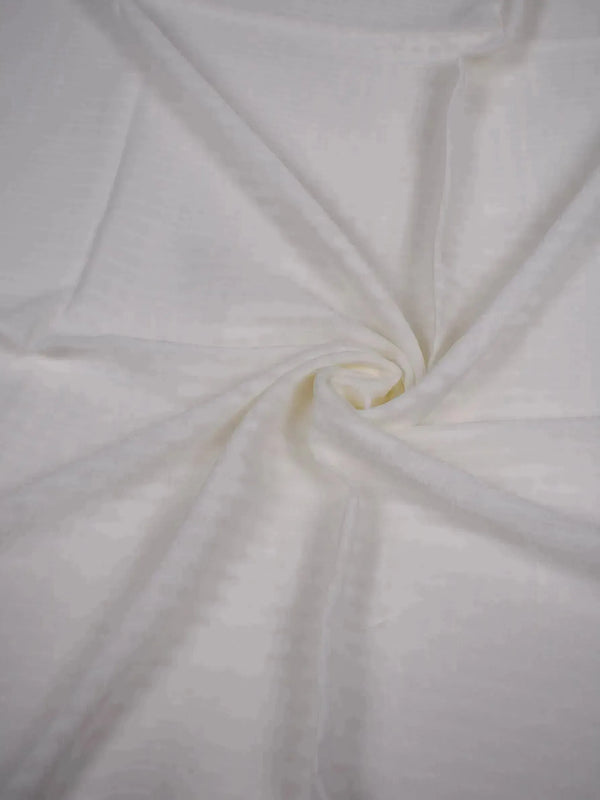
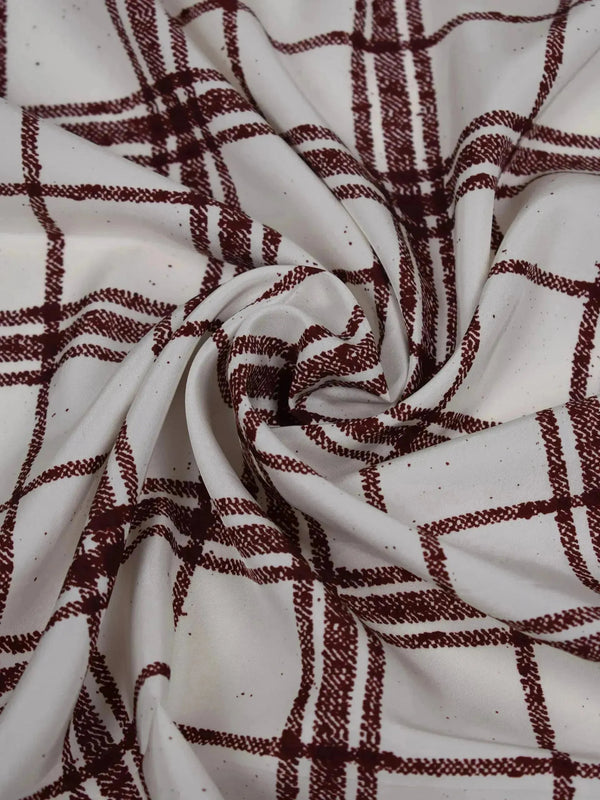
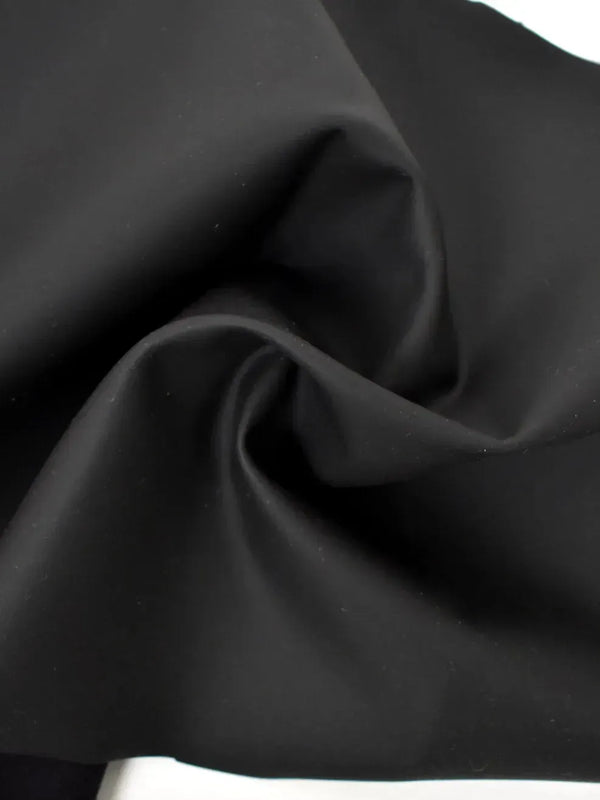
Rayon is a fabric made from a man-made fibre produced from wood cellulose: in practice, it is viscose. It is neither natural like cotton nor synthetic like polyester, because it starts from a plant raw material that is transformed by a chemical process. Rayon vs cotton comes down to this: rayon is soft and cool like cotton, but more fluid, lustrous and drapey, which is why it is popular for summer dresses, shirts and blouses.
This guide is for dressmakers, designers and brands. It covers what rayon is, whether rayon and viscose are the same, the differences between rayon and cotton, when to choose each one, whether rayon is bad for you, how to wash it, and where to find it among Zerow's deadstock fabrics.
What is rayon fabric?
Rayon is a regenerated cellulose fibre: cellulose extracted from wood, such as beech, eucalyptus or pine, is dissolved and then reformed into fine filaments that are spun and woven like other fibres. It was the first man-made fibre produced on an industrial scale, as Britannica notes, and it was originally sold as "artificial silk" because of its lustre.
So rayon sits halfway: the raw material is natural, the fibre is made by people. It belongs to the man-made cellulosic fibres, alongside modal, lyocell, cupro and acetate.
Are rayon and viscose the same?
In practice, yes. "Rayon" is the generic name used mainly in the United States for regenerated cellulose fibres, while in Europe the label says "viscose". A garment sold as rayon is almost always viscose. Modal and lyocell are close relatives with names of their own, because they come from different processes.
To learn more about how viscose is made, its types and its sustainability, read our guide to viscose fabric.
Rayon vs cotton: the differences
| Feature | Rayon (viscose) | Cotton |
|---|---|---|
| Origin | Man-made, from wood cellulose | Natural, from the cotton plant |
| Handle | Smooth, soft, often silky | Soft, drier and matt |
| Drape | Fluid and flowing | More structured |
| Breathability | High, cool on the skin | High |
| Strength | Weakens when wet | Strong, even when wet |
| Washing | Gentle, cold | Easy, even at high temperatures |
| Shrinkage | Can shrink in hot water | Can shrink on the first wash |
| Creasing | Creases easily | Creases, but presses well |
| Colour | Bright and intense | Good, less luminous |
Rayon or cotton: when to choose each
- Choose rayon for summer dresses, fluid shirts and blouses, full skirts, soft trousers and vivid prints.
- Choose cotton for structured, everyday pieces: classic shirts, jeans, sweatshirts, T-shirts and anything washed often.
- For children's clothes and hot washes, cotton is more practical.
- Rayon-cotton blends combine the drape of viscose with the strength of cotton.


Is rayon bad for you?
To wear, no: rayon is a cellulose fibre, well tolerated by the skin, breathable and often suitable for people who find synthetic fibres irritating. The concerns relate to production: the viscose process uses chemicals such as carbon disulphide, which must be properly managed and recovered to protect workers and the environment. Lyocell, with its solvent recovered in a closed loop, is the cleaner variant.
A practical way to reduce the impact is to use rayon that already exists: deadstock fabrics are surplus that requires no new production.
How to wash rayon without ruining it
- Hand-wash or use a gentle machine cycle in cold or lukewarm water.
- Use a mild detergent and do not wring: rayon is weaker when wet.
- Avoid the tumble dryer, which shrinks it; dry flat or hanging in the shade.
- Press at a medium setting on the wrong side, ideally while slightly damp.
- If you are sewing a washable garment, prewash the fabric before cutting.


Where to buy deadstock rayon and cotton
Zerow sells deadstock rayon, viscose and cotton: surplus and end-of-run cloth from Italian luxury houses and mills, already made and so needing no new production. Quantities are limited and often unrepeatable: once a roll is gone, that fabric may not come back.
Fabrics are sold by the full roll. There is also a selection of fabrics cut to length, usually from a minimum of 10 metres: the details of each fabric, including composition and how it is sold, are on the product page. Businesses with a VAT number have dedicated terms, and samples are available to everyone.
Our viscose fabric collection includes plain and printed rayon, crepe, satin and jersey; our cotton fabric collection has poplin, muslin, canvas, denim and sweatshirt fabric.
Rayon vs cotton FAQs
Is rayon natural or synthetic?
Neither: it is a man-made fibre. It comes from wood cellulose, which is natural, but it is produced by a chemical process. It is not synthetic because it does not come from oil.
Are rayon and viscose the same?
In practice, yes: rayon is the name used mainly in the United States, viscose the one used in Europe and on labels.
Does rayon shrink?
It can shrink if washed hot or tumble dried. Wash it cold, do not wring it and let it dry naturally.
Is rayon cooler than cotton?
Both breathe well. Rayon often feels cooler and lighter on the skin; cotton is sturdier and easier to wash.
Can I order a sample before buying?
Yes, samples are available to all Zerow customers, private and business. It is the best way to judge handle, drape and colour before ordering by the roll or cut to length.


