






Lining fabric: types, cupro and how to choose
A guide to lining fabric: what it does, the main types, cupro, how to choose the right lining for jackets, dresses and bags, and how to sew it.

Lining fabric covers the inside of a garment or accessory. It makes the piece more comfortable to wear, lets it slide over other clothes, hides the seams and protects the outer fabric. Suits, jackets and coats are mostly lined with cupro, viscose and acetate, which are cool and slippery; pockets and bags use cotton, canvas and nylon, which are tougher; winter outerwear also uses warm linings such as fleece.
This guide is for tailors, designers and brands. It covers what a lining does, the most common lining fabrics, why cupro is the finest, how to choose the right one, how to sew it and where to find deadstock linings on Zerow, surplus from Italian luxury houses and mills.
What a lining does
- It lets the garment slide over the body and other clothes, so it goes on and off easily.
- It protects the outer fabric from sweat and friction and helps it keep its shape.
- It hides seams, padding and interfacing for a garment that is finished inside too.
- It makes light fabrics less sheer and adds warmth to outerwear.
- In bags, it gives structure and protects the inside from keys and other objects.
The main lining fabrics
| Fabric | Character | Where it is used |
|---|---|---|
| Cupro | Silk-soft, breathable, anti-static | Quality jackets, coats and dresses |
| Viscose | Cool, slippery, breathable | Dresses, skirts, jackets |
| Acetate | Lustrous, slippery, often blended with cupro | Jackets and coats |
| Silk | The finest, very light | Couture and evening wear |
| Polyester | Hard-wearing, affordable, not very breathable | Everyday garments |
| Nylon | Light, strong, sometimes water-repellent | Jackets, technical wear, bags |
| Cotton and pocketing | Sturdy, absorbent | Trouser and jeans pockets, bags |
| Fleece and warm linings | Soft and insulating | Winter jackets and outerwear |
| Jersey | Stretchy, moves with the body | Knit and stretch garments |
Leather bags and shoes are also lined with thin leathers such as nappa: you will find them among our lining leathers, and our guide to nappa leather explains them.
Cupro, the finest lining
Cupro is a man-made fibre made from cellulose, like viscose, but through a different process based on copper and ammonia. It is also known as Bemberg, after the German company that has made it since 1908, as Britannica notes. The result is a very fine filament with a silk-like hand.
As a lining it has three advantages: it is soft and slippery, it breathes like natural fibres, and it does not build up static, so it does not cling. That is why it is the classic lining for tailored jackets and coats. It comes as 100% cupro or blended with acetate and viscose. For related fibres, read our guide to viscose fabric.
How to choose a lining fabric
- Choose a lining lighter than the outer fabric, so it does not weigh the garment down or distort it.
- Under wool, linen and silk, pick breathable linings such as cupro and viscose: polyester traps heat.
- Lining and shell must take the same care, or one of them will shrink.
- For colour, tone-on-tone keeps the garment discreet, while a contrast or striped lining adds character; under pale fabrics, avoid colours that show through.
- Winter garments need heavier or warmer linings; summer ones light linings or half linings.
Linings for jackets, coats and dresses
In jackets and coats the lining fabric has to let sleeves slide and withstand friction: cupro, cupro-acetate blends and viscose twill are the classic choices. Dresses and skirts need light, fluid linings, such as viscose or fine cupro, that do not change the drape of the shell. Trousers are often lined only to the knee, while pockets use pocketing, a sturdy cotton or cotton blend.


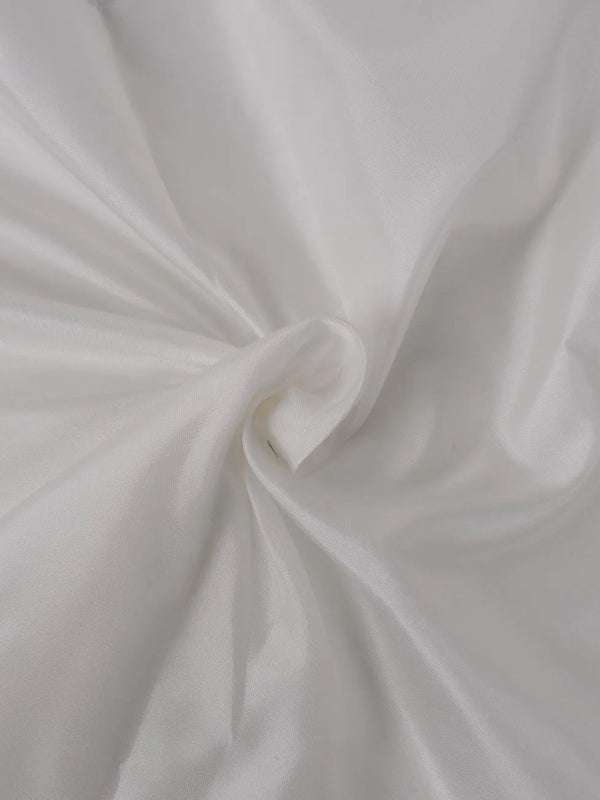
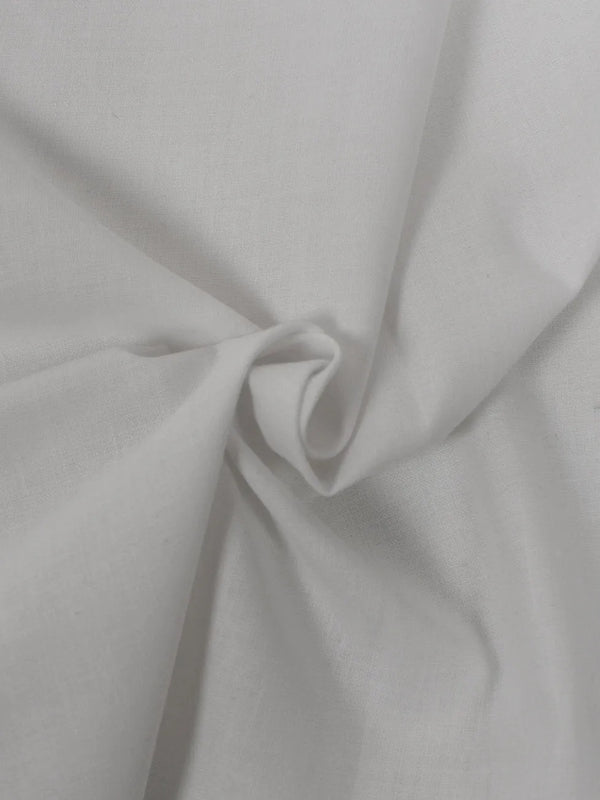
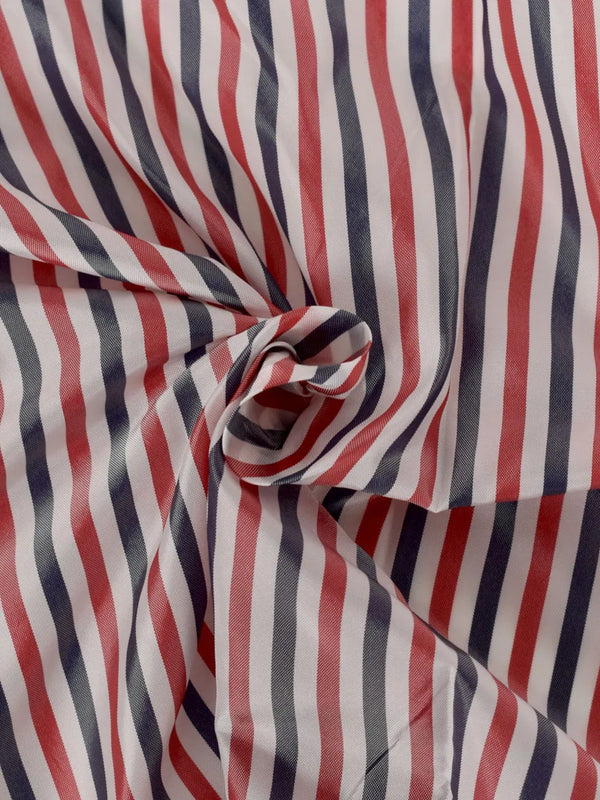
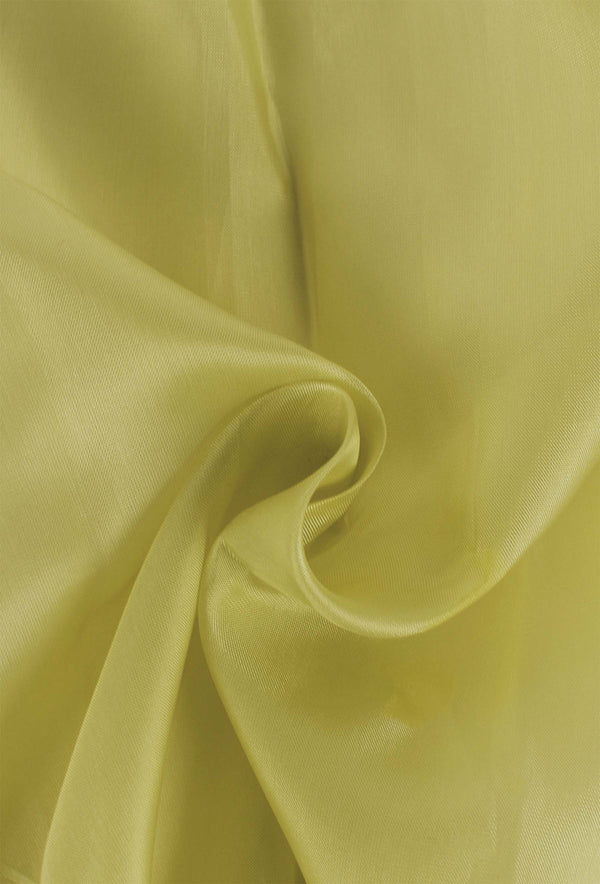
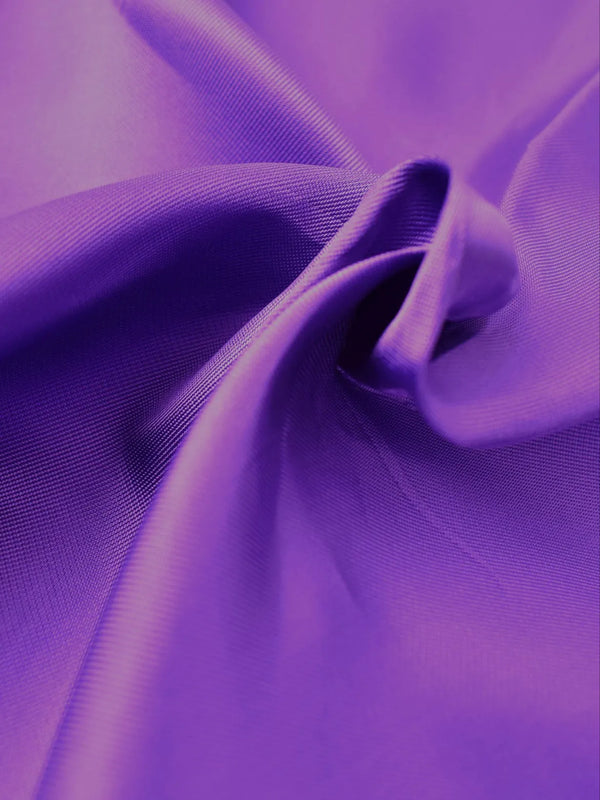
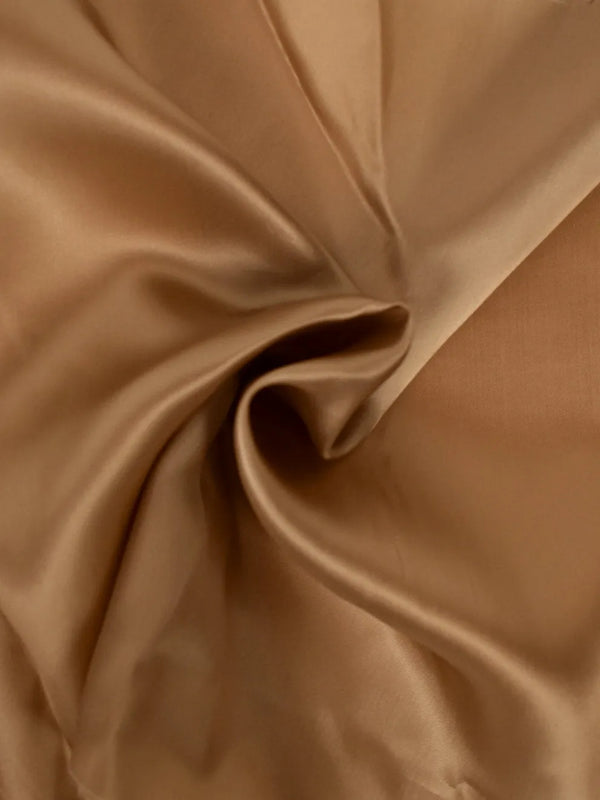

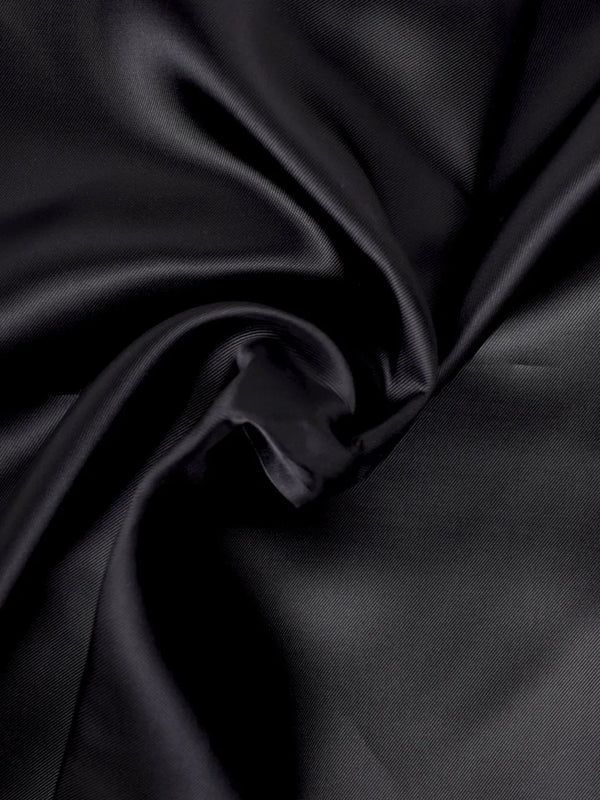
Linings for bags and leather goods
Inside a bag the lining works hard: it must resist abrasion and sharp objects and give structure. Cotton and cotton-linen canvas, sturdy nylon and polyester are common, and leather bags are also lined with thin leathers such as lamb or goat nappa. Dark interiors hide dirt better; light ones make it easier to find things.
How to sew a lining
- Pre-wash lining and shell if they will be washed in water, as man-made cellulose fibres can shrink.
- Use fine pins and a fine 70/10 or 80/12 needle: cupro and viscose are slippery and mark easily.
- In jackets, leave an ease pleat at the centre back and at the hem so the lining does not pull when you move.
- Finish the seam allowances, as linings tend to fray.
- Press on a low setting, with a cloth and little steam.


Buying deadstock lining fabric
Zerow sells deadstock linings: surplus and end-of-run cloth from Italian luxury houses and mills, already made and so needing no new production. For makers, that means couture-grade quality in limited, often unrepeatable quantities. Once a roll is gone, that lining may not come back.
Fabrics are sold by the full roll. There is also a selection of fabrics cut to length, usually from a minimum of 10 metres: the details of each fabric, including composition and how it is sold, are on the product page. Businesses with a VAT number have dedicated terms, and samples are available to everyone.
Our lining fabric collection includes pure and blended cupro, viscose, nylon, fleece, jersey and cotton linings for pockets and leather goods. For fibres and weaves, read our guide to the types of fabric.
Lining fabric FAQs
What is the best lining fabric?
For jackets, coats and dresses, cupro, followed by viscose and cupro-acetate blends: they are soft, breathable and slippery. Pockets and bags need cotton, canvas or nylon, which are tougher.
Cupro or viscose lining?
Both are cellulose fibres with similar qualities. Cupro is finer, silkier and more resistant to static; viscose is more common and more affordable, and just as cool.
Should I avoid polyester lining?
Not always: it is strong, affordable and easy to wash. But it breathes poorly, so for warm garments or long wear cupro or viscose is better.
What lining should I use for a bag?
Cotton or cotton-linen canvas, or a sturdy nylon. Leather bags are also lined with thin leathers such as nappa.
Can I order a sample before buying?
Yes, samples are available to all Zerow customers, private and business. It is the best way to judge handle, weight and colour before ordering by the roll or cut to length.


