








Rayon or Cotton Fabric? Differences, Characteristics, and How to Choose

Choosing between rayon and cotton isn't always as straightforward as it seems. Both are widely used in clothing and are often considered similar in terms of comfort and breathability, but they have significant differences in terms of origin, aesthetics, and care. In this guide, we analyze their characteristics, types, and key differences.
What is Rayon Fabric and why is it often confused with a natural fiber?
Rayon fabric is a widely used material in contemporary clothing, prized for its softness and ability to mimic the look of natural fibers. Although it's often associated with the world of natural fabrics, it's actually a man-made fiber obtained from cellulose , a plant-based substance extracted primarily from wood. This very cellulose derivation leads many people to consider it similar to cotton or linen, but the production process is chemical and industrial, which is why it can't be considered a 100% natural fiber.
One of the reasons rayon fabric is often mistaken for a natural fiber is its extremely soft and fluid feel. It feels light, smooth, and pleasant against the skin, with a fit that drapes elegantly over the body. Visually, it can resemble silk or the finest cotton, thanks to its uniform surface and excellent color absorption, which makes it bright and vibrant in prints and solid colors.
In terms of technical characteristics, rayon fabric is breathable and has excellent moisture absorption, making it suitable for spring and summer. It's a versatile fiber, used for lightweight dresses, shirts, blouses, and flowing skirts. However, compared to other natural fibers, it can be less durable when wet and requires more care when washing and ironing.
Another factor contributing to the confusion is its behavior on the skin: Rayon fabric doesn't have the typical "synthetic" feel you might experience with polyester or nylon. This is because the cellulose base retains a plant component, despite being chemically transformed. This combination of natural origin and artificial processing makes it a middle ground between natural and synthetic fibers, striking an interesting balance between comfort, aesthetics, and price.
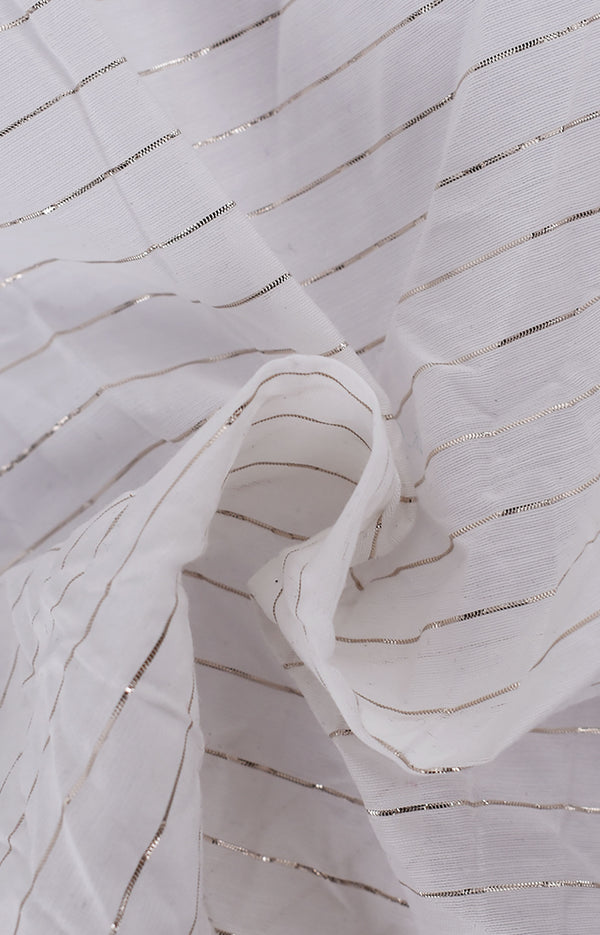
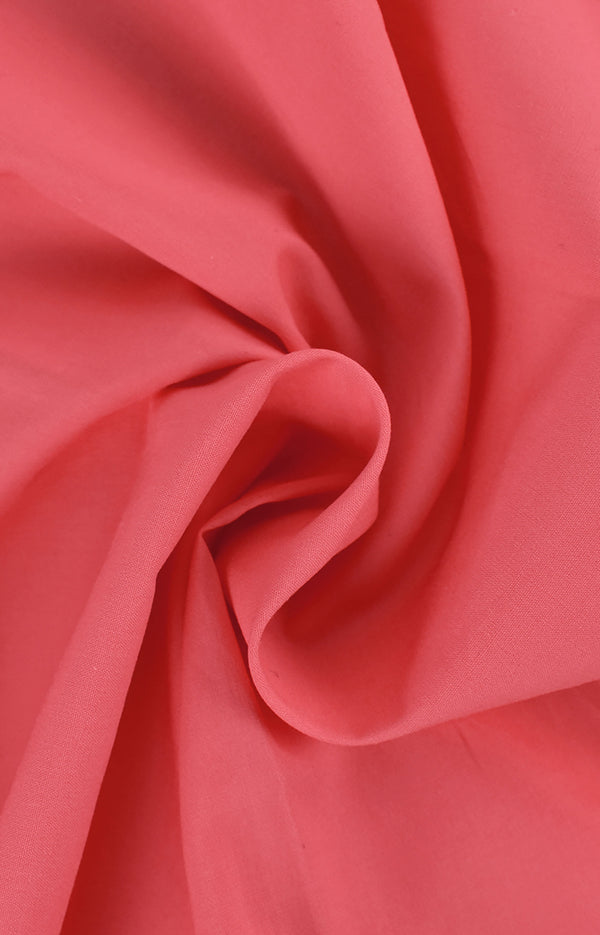
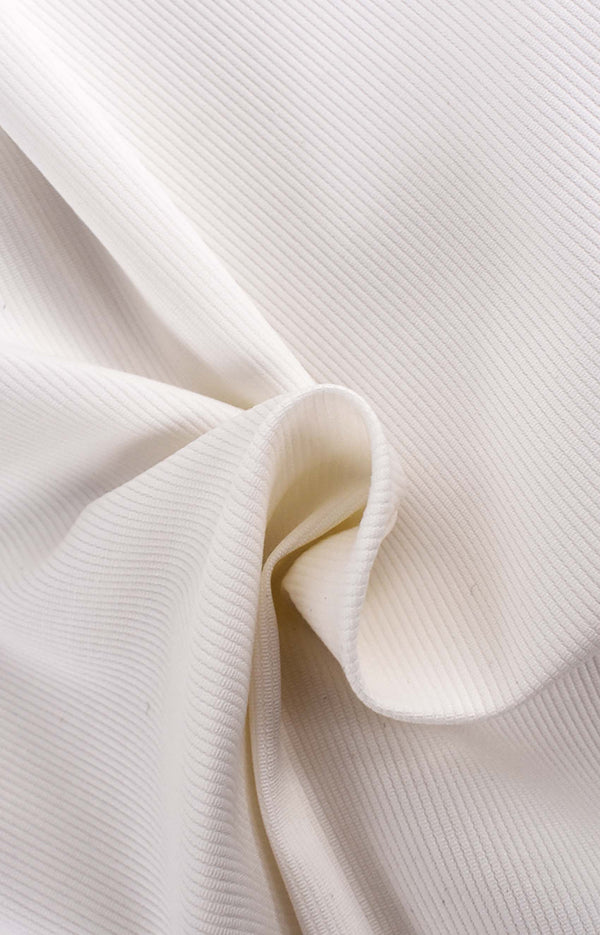
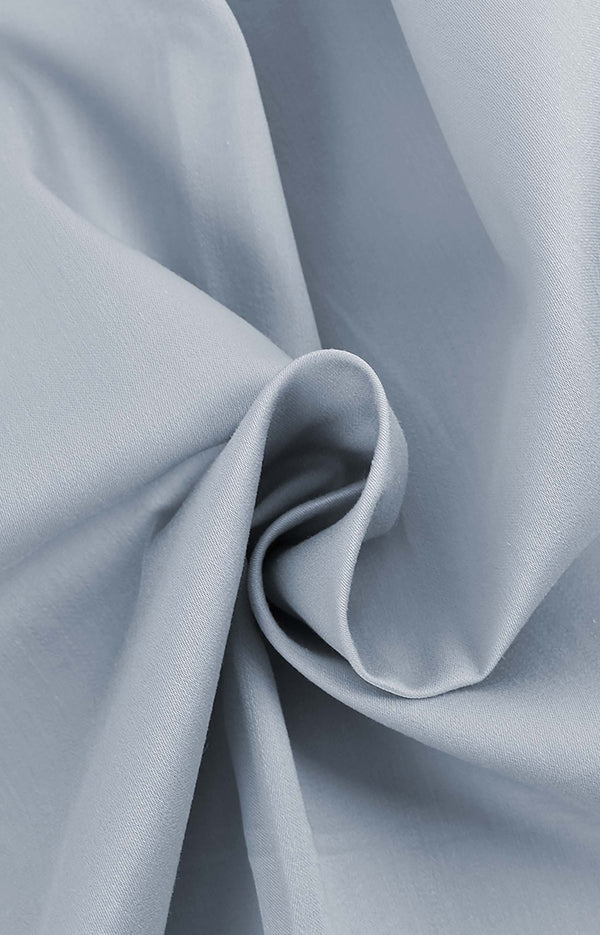
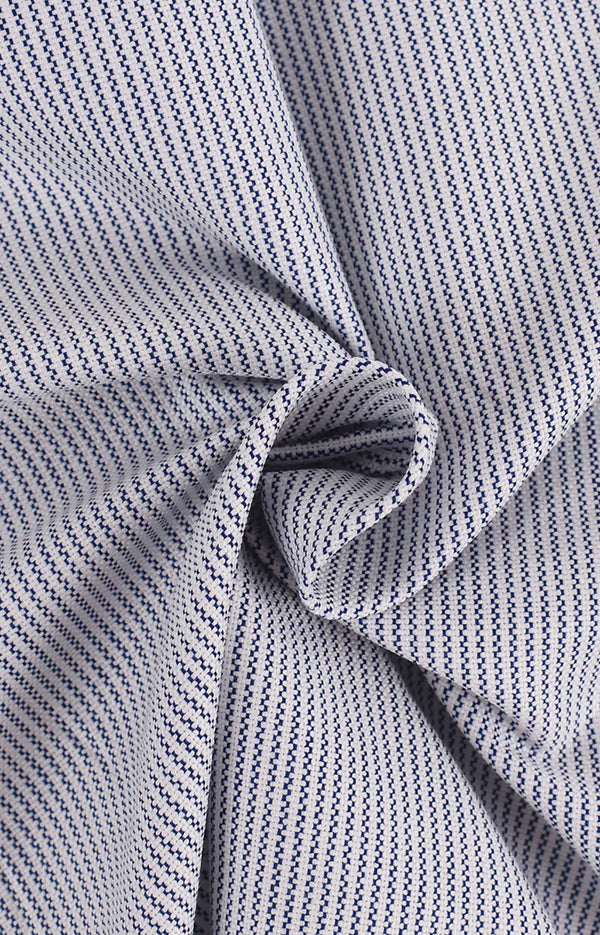
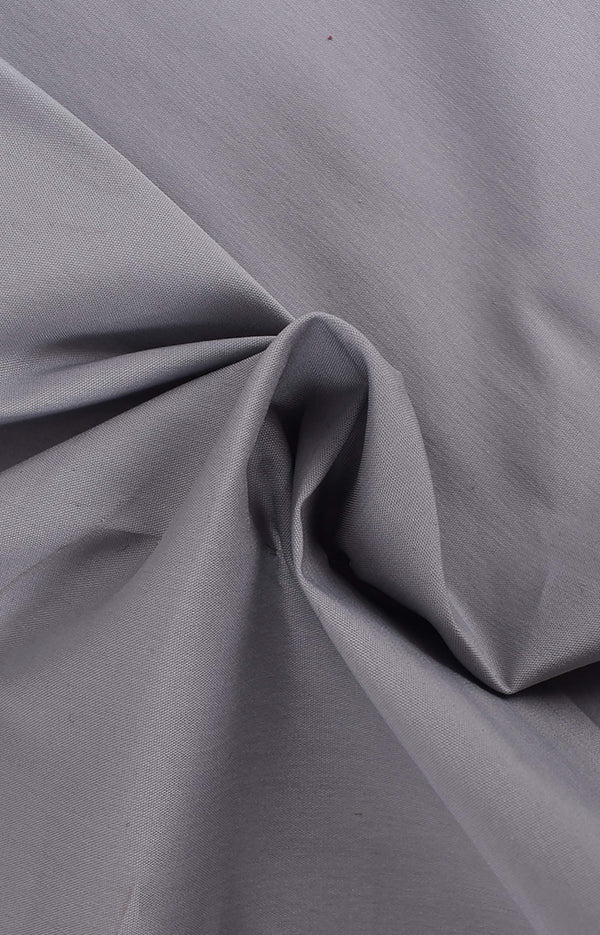
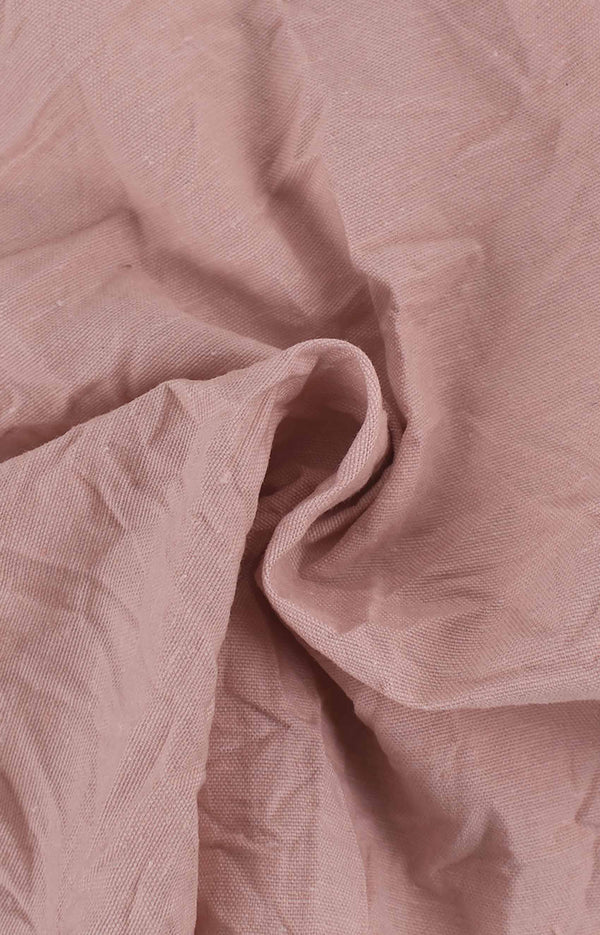
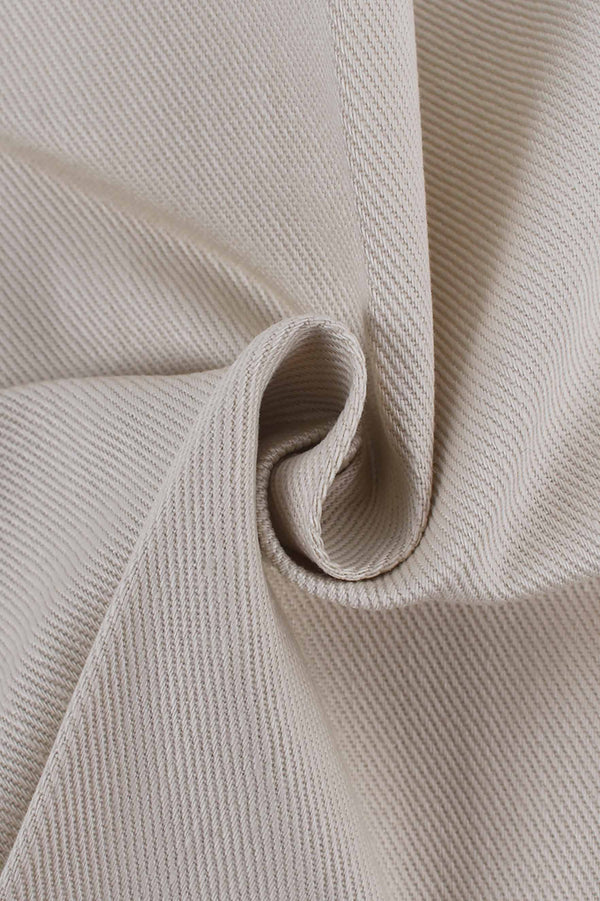
Cotton Fabric: What Types Are There, and Why Is It Still the Most Popular?
Cotton has always been one of the most widely used and appreciated materials in the textile industry thanks to its natural origins, versatility, and comfort. Derived from the fiber that surrounds the seeds of the cotton plant, it is considered a safe and reliable choice for both everyday clothing and more structured garments. Its popularity stems from its combination of breathability, durability, and ease of care.
Cotton fabric is made of natural fibers that allow for good air circulation. This characteristic makes it particularly suitable for warmer seasons and for garments that come into direct contact with the skin, as it helps absorb moisture and maintain a feeling of freshness.
There are different variations of cotton fabric , which are distinguished by the quality of the fibre and the type of workmanship:
-
Combed cotton : subjected to a process that eliminates the shorter fibres and impurities, it is softer, more uniform and more resistant than standard cotton.
-
Organic cotton : grown without chemical pesticides and synthetic fertilizers, it is chosen for greater environmental awareness and lower impact on the skin.
-
Organic cotton : similar to organic in terms of cultivation method, it focuses on controlled processes and certifications that guarantee a more sustainable supply chain.
-
Pima cotton : characterized by extra-long fibers, it is particularly soft, silky and resistant, with a smoother surface and less prone to pilling.
-
Cotton jersey : knitted fabric that makes the material elastic, flexible and comfortable, ideal for t-shirts and casual wear.
-
Cotton poplin : dense and compact weave, light but structured, perfect for summer shirts and dresses.
-
Cotton denim : A tough, diagonally woven fabric known for its durability and used primarily for jeans and outerwear.
Each cotton fabric can therefore have different characteristics in terms of softness, structure, and aesthetic appeal. This wide variety makes the material extremely versatile, suitable for both everyday fashion and more structured tailoring projects.


Rayon vs. Cotton Fabric: What Are the Real Differences?
When comparing rayon and cotton fabrics , the first difference concerns the fiber's origin. Rayon is made from natural cellulose transformed through a chemical process, while cotton is a completely natural fiber obtained directly from the plant. This distinction affects not only the perception of the material, but also certain aspects related to resistance, maintenance, and behavior over time.
In terms of comfort, both rayon and cotton fabrics are pleasant on the skin and suitable for lightweight garments. However, rayon tends to have a more fluid and silky feel, with a soft drape that enhances dresses and blouses, while cotton can vary greatly depending on the manufacturing process, sometimes appearing more structured and substantial.
Another difference between rayon and cotton fabric is the aesthetic. Rayon tends to have a smoother surface and a natural sheen reminiscent of silk, while cotton offers a more matte and authentic look, often associated with a casual or everyday style.
| Characteristic | Rayon fabric | cotton fabric |
|---|---|---|
| Origin | Chemically transformed cellulose | Natural vegetable fiber |
| Sensation of touch | Soft, fluid, silky | Soft but variable in processing |
| Breathability | Good | Very good |
| Wet resistance | More delicate | Generally more resistant |
| Aesthetic result | Slightly shiny | More opaque and natural |
| Maintenance | Requires more attention | Easy to wash and maintain |
| Versatility | Ideal for light and flowing garments | Suitable for many types of garments |
To guide the choice between Rayon fabric and Cotton fabric , it can be useful to evaluate the final use of the garment or tailoring project.
Choose Rayon for :
-
Light summer dresses with a flowing and elegant fall
-
Blouses, skirts or items that require movement and softness
-
Projects where you want a silkier, slightly shimmery effect
Choose Cotton for :
-
Durable and easy-to-wash everyday garments
-
Shirts, t-shirts, or pants that require structure
-
Sensitive skin or in case of allergies, thanks to its hypoallergenic properties
In short, the decision between Rayon and Cotton fabric depends on the balance you want to achieve between aesthetics, practicality and durability, always considering the final use of the fabric.
Where to Buy Rayon and Cotton Fabrics Online
Buying rayon and cotton fabrics online is a convenient way to quickly compare technical characteristics, weights, and compositions. E-commerce allows you to easily compare weights, compositions, and prices, as well as consult detailed technical data sheets that help you understand the material's handle, drape, and ideal use.
For those seeking quality materials with a more responsible approach, Zerow offers a wide selection of fabrics sourced from surplus textiles from leading Italian luxury brands, available in a wide variety of compositions, colors, and textures. Here, you'll find select rayon and cotton fabrics , available in full rolls, ideal for brands, designers, and tailoring studios seeking to combine aesthetic research with a focus on sustainability.
FAQ
How can I buy Rayon Fabric and Cotton Fabric on your e-commerce site?
You can select the product directly from the online catalog, choose the available roll, and add it to your cart. In the product description for each Rayon and Cotton fabric, you'll find information on composition, weight, width, and recommended use, so you can make an informed purchase.
What are the shipping times for Rayon Fabric and Cotton Fabric?
Shipping times vary depending on the destination. Delivery times are 7 business days for shipments within Italy and 7-10 business days for shipments abroad. Once shipped, you will receive tracking information to monitor your delivery.
Can I order a sample before purchasing Rayon Fabric and Cotton Fabric?
Yes, you can request a sample to evaluate the color, feel, and texture of the Rayon and Cotton Fabrics before purchasing the entire roll.
Are Rayon and Cotton fabrics available in different colors or variations?
Yes, the catalog offers several variations for each Rayon and Cotton fabric, with options that vary in color, weight, weave, and composition. Availability depends on selected surpluses and may change over time.
What payment options are accepted for Rayon Fabric and Cotton Fabric?
For the purchase of Rayon Fabric and Cotton Fabric, the main digital payment methods are generally accepted, such as credit cards, bank transfers and other electronic systems indicated at the time of checkout.
How can I return Rayon Fabric and Cotton Fabric if they don't meet my expectations?
Rayon and cotton fabrics can only be returned if they are defective or do not conform to the product description. In these cases, please contact customer service promptly and provide photographic documentation to initiate the investigation.


