








Lycra Fabric Buying Guide: What You Need to Know

Lycra fabrics are among the most popular and versatile in the world of fashion and technical apparel, thanks to their elasticity and comfort that few other materials can guarantee. This is why they are a recurring choice for designers, tailors, and fashion brands, who use them in many different fields. But what truly makes this fiber special? In this guide, we will explore what Lycra is, how it differs from names like elastane and spandex, what advantages it offers, its main technical characteristics, and where to find a quality selection online.
What is Lycra and how does it differ from Elastane and Spandex?
When we talk about Lycra, we are referring to a synthetic elastic fiber, valued for its extraordinary ability to stretch several times its original length and then return to its original shape without deforming. In reality, it is a registered trademark: it was introduced by DuPont in the 1960s and has become so widespread that it has transformed into a common term, much like other commercial names that have entered everyday language.
This often leads to confusion, because the same fiber is also referred to by other names. Specifically:
- Elastane is the generic and official name of the fiber, the one that must legally appear on garment labels in Europe.
- Spandex is the term most commonly used in Anglo-Saxon countries, especially in the United States, and is simply an anagram of the English word "expands."
- Lycra, on the other hand, is simply the brand under which a specific company produces and markets this fiber.
Essentially, it is always the same material: only the name changes, and in some cases, the quality and guarantees associated with a recognized brand. The fiber is rarely used pure; in most cases, it is interwoven in small percentages with other fibers such as cotton, polyester, or nylon, thus combining elasticity with the softness or strength of the base fabric.
Its uses are manifold, ranging from sportswear and technical clothing, where maximum freedom of movement is required, to everyday fashion, underwear, and swimwear. This versatility has made Lycra fabrics a very common choice whenever comfort, fit, and the ability to adapt to body movements are sought.
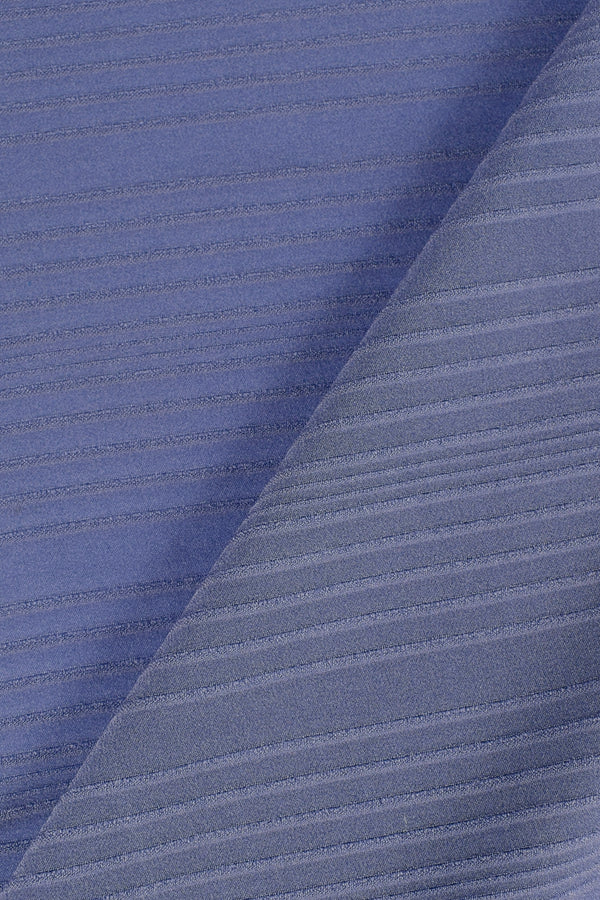
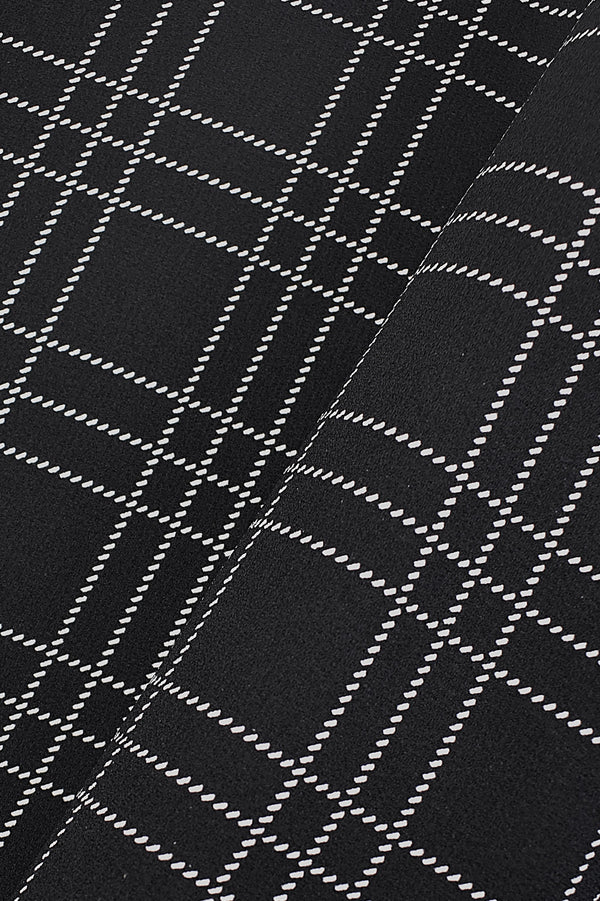
Why choose Lycra fabrics? All the advantages to know.
- High elasticity and shape recovery
- Superior fit and comfort
- Resistance and durability over time
- Excellent workability during garment manufacturing
- Versatility of application
High elasticity is the main reason why a professional chooses Lycra fabrics: the fiber can stretch significantly and return to its original shape without deforming. For a tailoring shop or a brand, this translates into garments that maintain their fit over time, without sagging at the knees, elbows, or points of greater stress, reducing returns due to shape defects.
Fit and comfort represent added value immediately perceived by the end customer. The material adheres to the body, adapting to movement, a fundamental requirement for sportswear and technical clothing but increasingly sought after in everyday fashion and knitwear. For a designer, this means being able to create fitted and flattering lines without sacrificing freedom of movement.
Resistance and durability over time directly affect the perceived quality of the finished product. These materials withstand repeated washing and intense use well, maintaining their original elasticity and appearance. For a brand, this is an important positioning element, because a garment that lasts strengthens its reputation and reduces complaints.
Workability during garment manufacturing is an often underestimated but crucial aspect for manufacturers. If chosen with the right composition and weight, Lycra fabrics lend themselves well to cutting and sewing, allowing for clean finishes and elastic seams suitable for resisting stress. This simplifies the work of artisans and tailors and limits waste.
Finally, versatility of application expands creative and commercial possibilities. Combinable with cotton, polyester, or nylon, these materials cover a very wide range of products: activewear, beachwear, underwear, shapewear, and ready-to-wear collections. For buyers, this means being able to rely on a single family of fabrics for projects that may be very different from each other.
What are the main technical characteristics and properties of Lycra fabrics?
From a technical point of view, Lycra fabrics are characterized by a series of parameters that are useful to know when selecting and purchasing, especially when evaluating the most suitable composition for a particular garment.
Composition and fiber percentages
The elastic fiber is rarely used pure: it is inserted in varying percentages into a base fabric. The most common combinations are:
- Cotton + elastane (typically 92-95% cotton, 5-8% elastane): used for jersey and comfortable knitwear.
- Polyester + elastane (80-90% polyester, 10-20% elastane): typical for activewear and technical garments.
- Nylon/polyamide + elastane (70-80% nylon, 20-30% elastane): used for beachwear, underwear, and shapewear.
As a general rule, the higher the percentage of elastic fiber, the greater the degree of elasticity and containment of the fabric.
Key technical parameters
| Parameter | Typical values | Notes for purchase |
|---|---|---|
| Weight | 150-350 g/m² | Below 200 g/m² for lightweight garments, above for compression |
| Elastane percentage | 5-30% | Defines elasticity and recovery |
| Elasticity direction | Bi-directional / Quad-directional | 4-way is preferred for activewear |
| Stretch | 100-500% | Depends on composition and structure |
| Pilling resistance | Medium-high | Check for high-use garments |
| Chlorine/UV resistance | Variable | Crucial for beachwear and sportswear |
Main technical properties
- Multi-directional elasticity: Lycra fabrics can be 2-way (stretch in one direction) or 4-way (stretch in warp and weft), a crucial parameter for garments that require maximum freedom of movement.
- Elastic recovery: ability to return to original dimensions, measured as a percentage of return after stretching.
- Breathability: related to the base fiber and knit structure, affecting the garment's thermal comfort.
- Dimensional stability: resistance to shrinkage and deformation after washing.
Dyeing behavior and certifications
Elastic fiber absorbs dyes differently from other fibers, an aspect to consider for the color rendering of the finished garment. Regarding material safety, it is worth checking that the fabrics comply with the main textile certification standards such as Oeko-Tex Standard 100, which certifies the absence of harmful substances and is now a requirement for many fashion brands.
Care and processing behavior
For artisans and tailors, it is useful to keep in mind some technical behaviors:
- High temperatures in ironing or drying can damage the elastic fiber, reducing its elasticity.
- Chlorine tends to degrade elastane: crucial for swimwear.
- When cutting, elasticity requires appropriate equipment and needles to avoid runs and wavy seams.


Where to buy Lycra fabrics online? Discover Zerow's selection.
Finding quality Lycra fabrics online is not always straightforward: for a professional, precise technical specifications, the possibility to verify composition, weight, and yield before ordering, and increasingly, the origin and sustainability of the material, are important.
Zerow meets these needs with a selection of deadstock fabrics recovered from major Italian luxury brands: high-quality warehouse remnants that become available again instead of being wasted. The catalog of Lycra fabrics offered allows designers, tailors, and fashion brands to choose from different compositions, weights, and finishes, with the same feel and performance as materials used by major fashion houses. By ordering online from Zerow, you gain access to a wide and refined selection that combines luxury quality and sustainability value in a single catalog.
FAQ
How can I purchase Lycra fabrics on your e-commerce?
Purchasing Lycra fabrics on Zerow is simple: browse the online catalog, select your preferred fabric by indicating the desired quantity, and add it to your cart. Once the order is complete, you will proceed to payment and receive the goods directly at the indicated address.
What are the shipping times for Lycra fabrics?
Canvas fabrics are generally delivered within 7 business days from order confirmation for orders within Italy and within 10 business days for orders within Europe. Times may vary based on material availability and shipping destination.
Is it possible to order a sample of Lycra fabric before purchasing?
Yes, it is possible to order a fabric sample to test the material before purchasing. You can order the sample directly from the product page of the item you are interested in.
Are Lycra fabrics available in different colors or variations?
Yes, the catalog includes Lycra fabrics with different compositions, weights, finishes, and colors. Since these are high-quality warehouse remnants, each item is available in limited quantities: we invite you to consult the updated catalog to discover the currently available variations.
What payment options are accepted for Lycra fabrics?
Our e-commerce accepts the main secure payment methods available at checkout. You can view all active options directly on the payment page before confirming your order.
How can I return Lycra fabrics if they do not meet my expectations?
You can exercise your right of withdrawal within 14 days of receiving the goods by sending an email to spedizioni@zerow.it.


