






Organza fabric: what it is, types and organza vs tulle and chiffon
A guide to organza fabric: how it is made, silk vs synthetic, the main types, how it differs from tulle and chiffon and how to sew it.

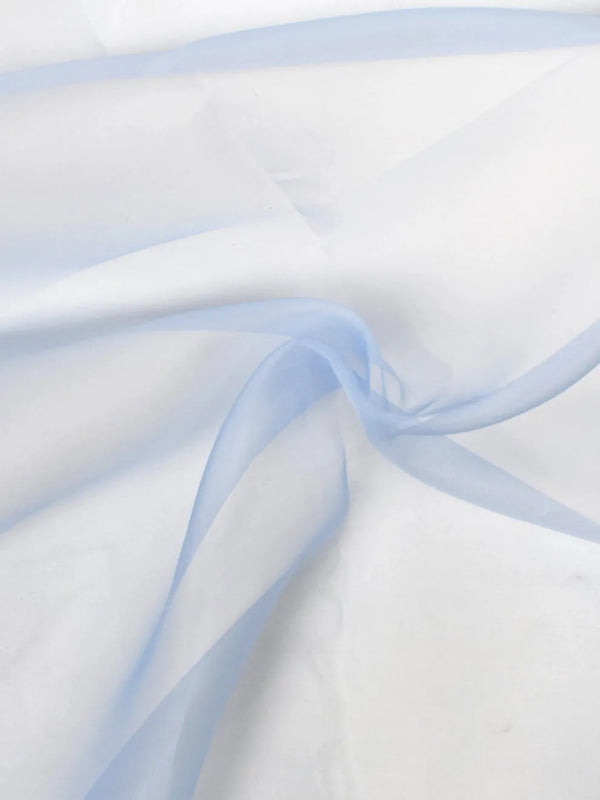
Organza fabric is a thin, sheer, crisp cloth woven in a plain weave from very tightly twisted filament yarns. That high twist is what gives organza its stiff, slightly papery hand and lets it hold volume. It was originally pure silk; today it is also made in polyester and nylon.
This guide is for tailors, designers and brands. It covers how organza is made, silk versus synthetic, the main types, how it differs from tulle and chiffon, how to sew it and where to find it among Zerow's deadstock fabrics, surplus from Italian luxury houses and mills.
What is organza fabric?
Organza is woven in a plain weave, the simplest structure, one thread over and one under, as Britannica describes in its entry on basic weaves. What sets it apart is the yarn: very fine continuous filaments, twisted hard before weaving.
The twist makes each yarn springy and slightly stiff, so the finished cloth is sheer, light and able to stand away from the body. That is why organza builds volume without weight, while softer sheers simply drape.
Silk organza vs synthetic organza
| Organza | Handle and look | Best for |
|---|---|---|
| Silk | Crisp yet soft to the touch, warm lustre, breathable | Bridal and eveningwear, couture, fine underlining |
| Polyester or nylon | Stiffer and shinier, less breathable, very hard-wearing | Big volumes, costumes, accessories, volume production |
| Silk blend | In between, often patterned or with lurex | Occasionwear with decorative effects |
For the fibre itself, read our guide to silk fabric.
Types of organza
Crystal organza
Very stiff, smooth and shiny, almost glassy. The best choice for sharp volumes, puff sleeves and bows.
Shot organza
Warp and weft are different colours, so the fabric changes tone with light and movement.
Gazar
A heavier, denser silk organza, loved by couture houses for sculptural gowns that hold their shape without padding.
Patterned organza
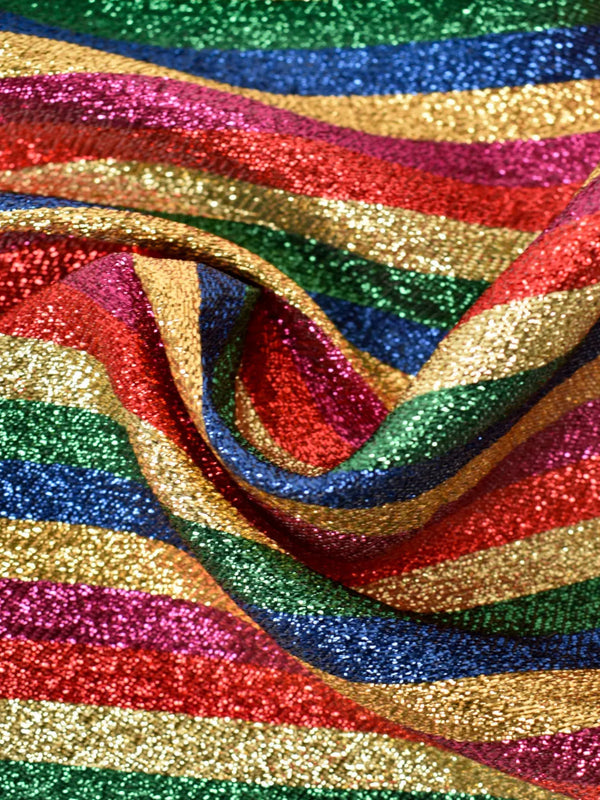
Printed, striped, spotted, checked, with lurex or a honeycomb texture: the sheerness makes the pattern stand out even when layered.






Organza vs tulle vs chiffon
| Fabric | Construction | Handle | Typical use |
|---|---|---|---|
| Organza | Plain weave from highly twisted yarns | Crisp, stiff, shiny | Structured volumes, sleeves, overlays |
| Tulle | Open mesh net, often hexagonal | Very light, soft or stiff, does not fray | Full skirts, petticoats, veils |
| Chiffon | Plain weave from crepe-twisted yarns | Soft, fluid, matt | Draped dresses, blouses, scarves |
For net, browse our tulle fabric collection. Organza and chiffon sit together in one collection.
Organza fabric: pros and cons
| Pros | Cons |
|---|---|
| Builds volume without weight | Frays heavily at raw edges |
| Refined sheerness and sheen | Marks easily with pins and creases |
| Stronger than it looks | Too stiff for close-fitting garments |
| Layers well with other fabrics | Synthetic organza breathes poorly |
What organza fabric is used for
- Bridal and evening gowns, structured skirts and overlays.
- Puff sleeves, collars, bows, ruffles and appliqués.
- Sheer shirts and blouses worn over a slip.
- In tailoring, as a light interfacing or underlining that supports delicate fabrics without adding bulk.
- As a see-through pressing cloth.
- Accessories, stage costumes and displays.
How to sew organza fabric
- Use French seams: they enclose the raw edges, stop fraying and look clean against the light.
- Fit a new fine needle, such as a microtex 60/8 or 70/10, and shorten the stitch.
- Pin only inside the seam allowance, because holes stay visible.
- Cut with very sharp shears; tissue paper underneath helps with slippery organza.
- Press at a low setting with a cloth, adjusted to the fibre: silk takes more heat than synthetics.


Buying deadstock organza fabric
Zerow sells deadstock organza: surplus and end-of-run cloth from Italian luxury houses and mills, already made and so needing no new production. For makers, that means couture-grade quality in limited, often unrepeatable quantities. Once a roll is gone, that organza may not come back.
Fabrics are sold by the full roll. There is also a selection of fabrics cut to length, usually from a minimum of 10 metres: the details of each fabric, including how it is sold, are on the product page. Businesses with a VAT number have dedicated terms, and samples are available to everyone.
Our organza and chiffon collection includes pure silk, silk-blend and synthetic organza, plain and patterned. For fibres and weaves, read our guide to the types of fabric.
Organza fabric FAQs
Is organza silk?
Originally, yes, and pure silk organza is still the finest. Much organza today is polyester or nylon, so check the composition on the product page.
What is the difference between organza and tulle?
Organza is a crisp, shiny plain-weave cloth that frays at the edges. Tulle is a very light open net that does not fray and is used mainly for full skirts and veils.
What is the difference between organza and chiffon?
Both are sheer, but organza is stiff and holds volume, while chiffon is soft and drapes against the body.
Does organza wrinkle?
It marks easily, especially silk organza. Synthetic organza holds a crease better, and both can be pressed at a low setting with a cloth.
How do you iron organza?
On the wrong side, at a low setting with a pressing cloth, without direct steam on silk. Test on an offcut first, as the right heat depends on the fibre.
Can I order a sample before buying?
Yes, samples are available to all Zerow customers, private and business. It is the best way to judge sheerness, stiffness and colour before ordering by the roll or cut to length.


