






Stretch fabric: two-way stretch, elastane and how to sew it
A guide to stretch fabric: two-way stretch meaning, one-way vs two-way vs four-way, elastane percentages, types, uses, sewing and care.

Stretch fabric is any cloth that gives and recovers its shape; two-way stretch cloth gives in both directions, along the length and across the width. The stretch almost always comes from a small percentage of elastane (often called Lycra or spandex) blended with the main fibre, such as cotton, wool, viscose or polyester. One-way stretch gives in only one direction: every two-way stretch is stretchy, but not every stretchy cloth is two-way.
This guide is for dressmakers, designers and brands. It covers what two-way stretch means, one-way vs two-way vs four-way stretch, how much elastane you need, the most common types, uses, how to sew and care for them, and where to find them among Zerow's deadstock fabrics.
Two-way stretch fabric: what it means
A two-way stretch cloth gives in both the warp and weft directions. Typical examples are stretch cotton for skinny trousers and jeans, and the knits used for leggings and sportswear.
The stretch mainly comes from elastane, a synthetic fibre that can be stretched to several times its length and spring back, as Britannica explains in its entry on spandex. Lycra is the best-known brand name for this fibre. Some stretch can also come from the construction, as in knits or crêpe yarns.
One-way, two-way and four-way stretch
| Type | Stretch direction | Examples | Typical uses |
|---|---|---|---|
| One-way stretch | One direction, usually across the weft | Stretch gabardine and poplin | Trousers, shirts, comfortable jackets |
| Two-way stretch | Two directions, warp and weft | Stretch cotton, stretch jersey | Skinny trousers, dresses, leggings |
| Four-way stretch | All directions, including the bias | Technical knits, swimwear fabric | Sport, dance, lingerie, swimwear |
To check which you are buying, pull the fabric lengthwise and then crosswise: if it gives both ways, it is two-way stretch.
How much elastane do you need?
- 2 to 5% elastane: comfort and freedom of movement, for trousers, skirts, jackets and shirts.
- 5 to 10%: a closer fit, for bodycon dresses, skinny jeans and knitwear.
- 15 to 20% and above: maximum recovery, for sportswear, swimwear and lingerie.
More elastane means more stretch but also more sensitivity to heat, as covered under care.
The main types
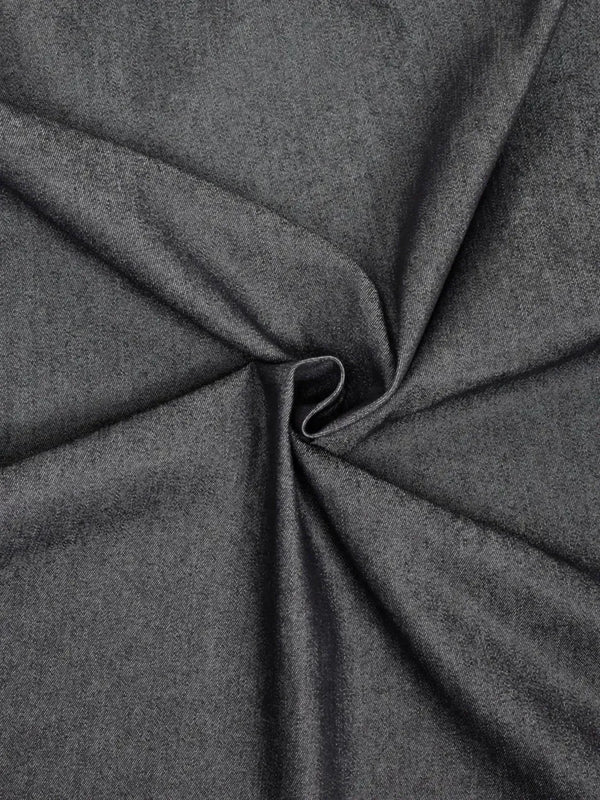
- Stretch cotton: denim, gabardine, twill and poplin with elastane, for trousers and shirts.
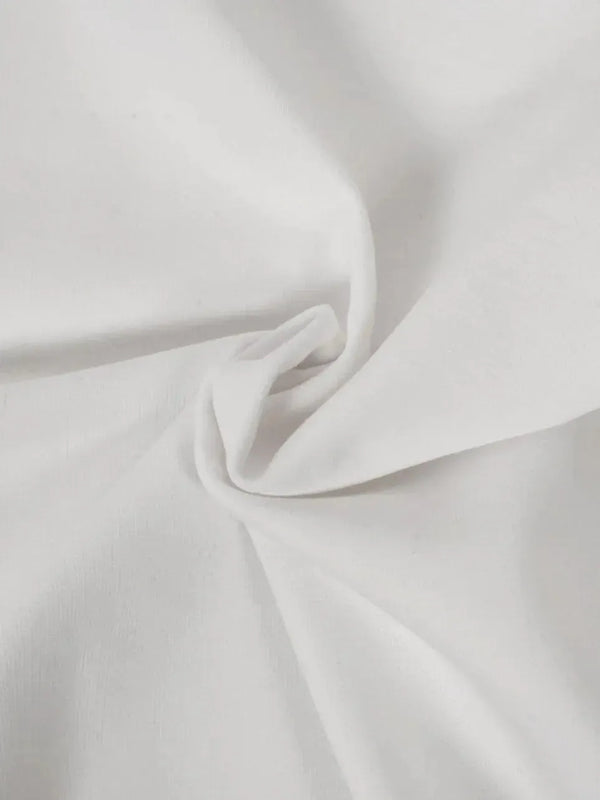
- Stretch jersey: soft cotton or viscose knit with elastane, for T-shirts, dresses and tops.
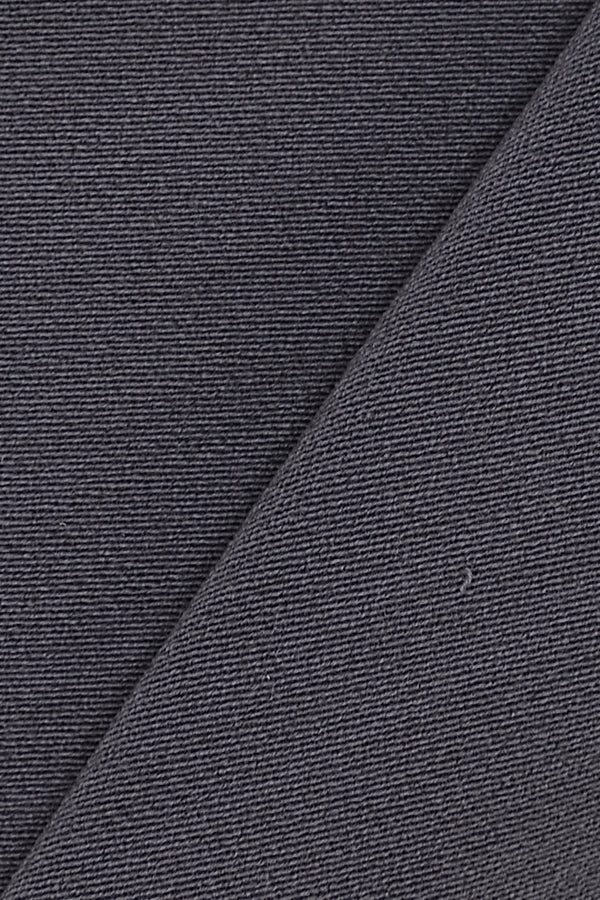
- Stretch wool: wool with a little elastane, for more comfortable tailored trousers and suits.
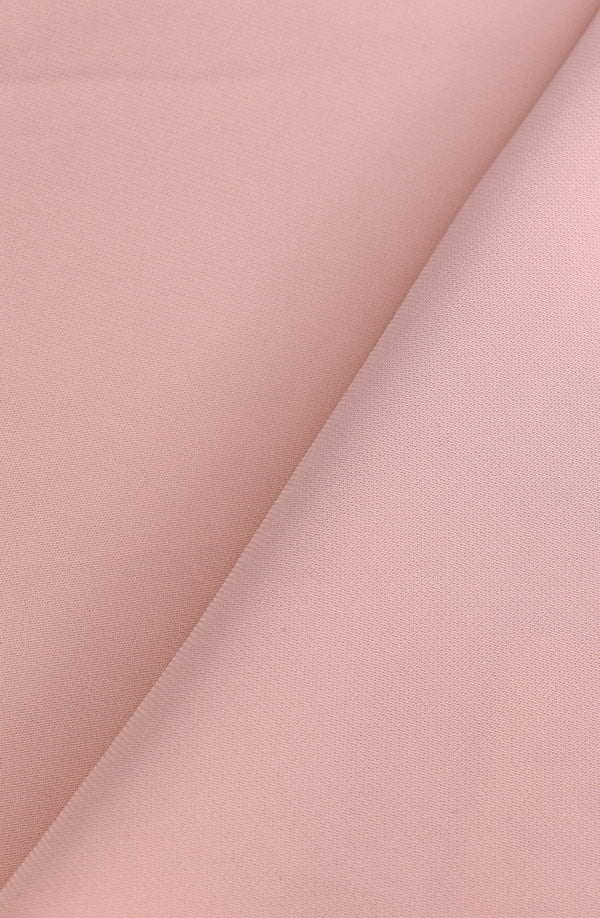
- Stretch satin, crêpe and cady: fluid or structured fabrics for dresses, blouses and skirts.
- Stretch piqué and jacquard: textured fabrics with some give, for dresses and jackets.


What they are used for
- Fitted trousers and jeans that follow the body without bagging at the knees.
- Bodycon dresses and skirts, jersey tops and T-shirts.
- Sportswear, leggings, swimwear and dancewear.
- More comfortable tailoring, such as stretch wool jackets and trousers.
For performance fabrics such as waterproof and breathable cloth, read our guide to technical fabrics.
How to sew them
- Use a stretch or ballpoint needle, which slips between the fibres instead of breaking them.
- Choose a stretch stitch: narrow zigzag, stretch stitch or overlock, so the seam stretches with the fabric.
- Cut following the stretch direction shown on the pattern, usually around the body.
- Stabilise shoulders, necklines and pockets with tape or interfacing so they do not distort.
- Do not pull the fabric while sewing: let the feed dogs move it.


Washing and care
- Wash at 30-40 °C and no hotter: heat weakens elastane.
- Avoid bleach and limit fabric softener.
- Air dry away from heat; avoid the tumble dryer.
- Iron on a low to medium setting, on the wrong side.
Where to buy deadstock stretch fabric
Zerow sells deadstock stretch and two-way stretch fabrics: surplus and end-of-run cloth from Italian luxury houses and mills, already made and so needing no new production. Quantities are limited and often unrepeatable: once a roll is gone, that fabric may not come back.
Fabrics are sold by the full roll. There is also a selection of fabrics cut to length, usually from a minimum of 10 metres: the details of each fabric, including composition and how it is sold, are on the product page. Businesses with a VAT number have dedicated terms, and samples are available to everyone.
Our two-way stretch and Lycra collection has fabrics that stretch in both directions; our stretch fabrics collection covers all stretch cloth, including one-way stretch.
Stretch fabric FAQs
What is two-way stretch cotton?
Cotton cloth with a small percentage of elastane that stretches both lengthwise and crosswise. It is comfortable and close-fitting, and is used mainly for trousers and jeans.
What is the difference between stretch and two-way stretch?
Stretch simply means the fabric gives, even in one direction only; two-way stretch means it gives in two directions. Every two-way stretch fabric is stretchy, not the other way round.
Is lyocell stretchy?
No, lyocell on its own is not elastic: it is a cellulose fibre. It only becomes stretchy when blended with elastane.
Are Lycra, elastane and spandex the same?
Yes: Lycra is the best-known brand of elastane, which is called spandex in the United States.
Can I order a sample before buying?
Yes, samples are available to all Zerow customers, private and business. It is the best way to judge stretch, weight and handle before ordering by the roll or cut to length.


