






Satin fabric: what it is, types of satin and satin vs silk
A guide to satin fabric: what the satin weave is, how it differs from silk and sateen, the main types, pros and cons and how to sew it.

Satin fabric is any cloth woven in a satin weave, where the yarns float over four or more others before they interlace. That gives a smooth, lustrous face and a dull back. Satin can be silk, viscose, acetate, polyester or cotton: the fibre changes the handle, the price and the care, while the sheen comes from the weave.
This guide is for tailors, designers and brands. It covers how satin is made, how it differs from sateen and from silk, the main types, how to sew it and where to find it among Zerow's deadstock fabrics, surplus from Italian luxury houses and mills.
What is satin fabric?
Satin is one of the three basic weaves, alongside plain weave and twill. Each yarn floats over several others, and the interlacing points are scattered so they never line up into a diagonal. Light bounces off those long floats, which is where the shine comes from.
| Weave | How the yarns interlace | Result |
|---|---|---|
| Plain weave | Over one, under one | Flat, matt, firm |
| Twill | Over one or more, stepping along each row | Visible diagonal, hard-wearing |
| Satin | Over four or more, scattered interlacings | Smooth lustrous face, dull back |
The same floats that create the sheen are satin's weak spot: they snag more easily than a plain weave. For the diagonal weave, see our guide to twill fabric.
Satin vs sateen
Satin is usually woven from filament yarns such as silk or polyester, with the warp floating on the face. Sateen is the cotton version, often with the weft on the face: it has a softer, more muted lustre and a drier handle, and it is used for shirts, trousers and bed linen. Britannica notes that satin was originally a silk fabric and is now made from many other fibres.
Satin vs silk
Silk is a fibre; satin is a weave. A silk fabric can be chiffon or crepe rather than satin, and a satin can be pure polyester. Silk satin combines the two and is the most luxurious version.
| Satin | Handle and sheen | Care | Best for |
|---|---|---|---|
| Silk | Soft, warm deep lustre, breathable | Delicate, water can mark it | Evening and bridal wear, lingerie, scarves |
| Viscose or acetate | Fluid, bright, cool | Moderate, can shrink | Dresses, blouses, linings |
| Polyester | Colder shine, less breathable | Easy and hard-wearing | Occasionwear, accessories, volume production |
| Cotton (sateen) | Gentle sheen, dry handle | Easy, washable | Shirts, trousers, bed linen |
For silk as a fibre, read our guide to silk fabric or browse our silk fabrics.

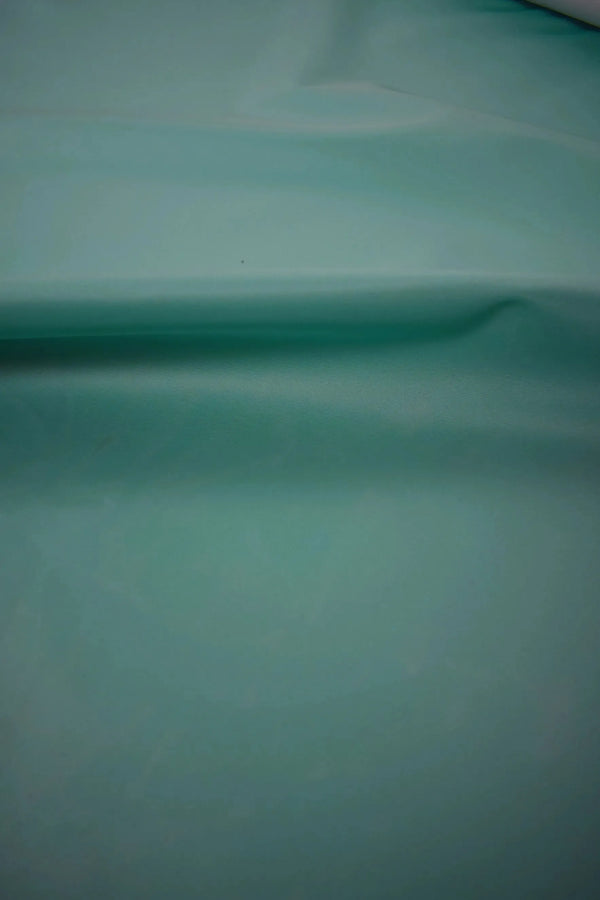
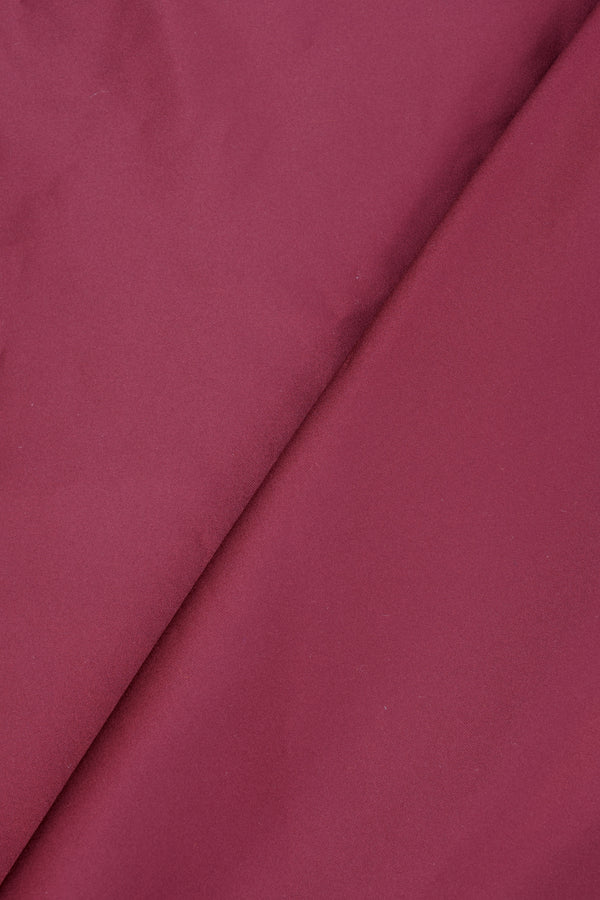


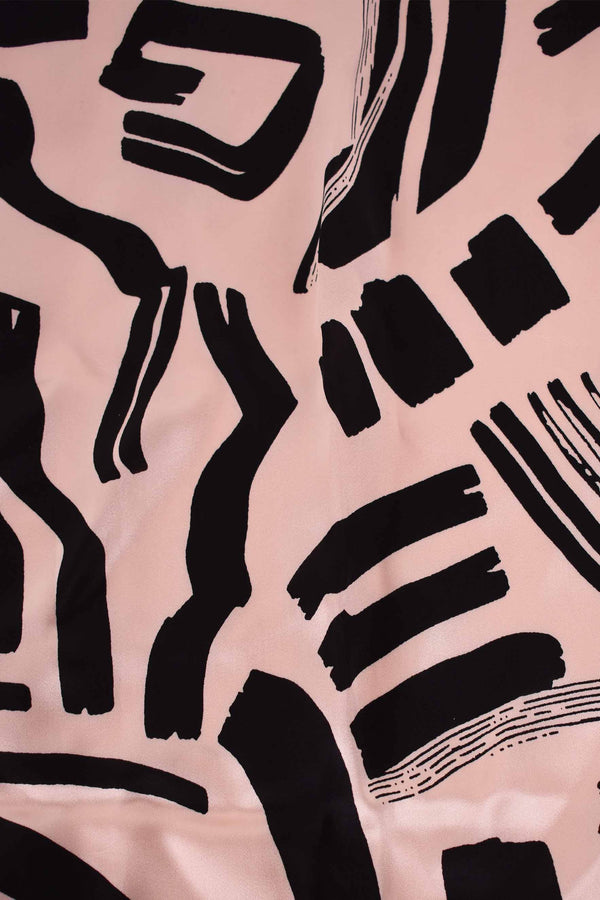
Types of satin
Weight and finish matter as much as fibre. These are the names you will meet in a workroom.
Duchess satin
Heavy, dense and stiff, with a full lustre. It holds its shape with little support, which is why it is the classic bridal satin, also used for bustiers and full skirts.
Charmeuse
Light and very fluid, it clings and drapes. It suits bias-cut dresses, blouses and lingerie.
Crepe-back satin
Satin on one side, matt crepe on the other. Either side can be used, and designers often play the two surfaces against each other in one garment.
Stretch satin
A little elastane makes it easier to wear in trousers, fitted dresses and corsetry.


Satin fabric: pros and cons
| Pros | Cons |
|---|---|
| Lustrous face that lifts colours and prints | Floats snag and pull easily |
| Drape from fluid to structured | Shows creases, pin marks and iron marks |
| Smooth and pleasant against the skin | Slippery to cut and sew |
| Available in many fibres and weights | Polyester satin breathes poorly |
Is satin breathable? It depends on the fibre. Silk, viscose and cotton satin breathe well; polyester satin much less, so it suits pieces worn for a few hours rather than all day in summer.
What satin is used for
| Garment | Suitable satin |
|---|---|
| Structured bridal and occasionwear | Silk or polyester duchess |
| Bias-cut and slip dresses | Silk charmeuse or viscose satin |
| Blouses and shirts | Silk or viscose satin, cotton sateen |
| Trousers and fitted pieces | Stretch satin |
| Linings | Viscose or acetate satin |
| Lingerie and nightwear | Silk charmeuse or light satin |
| Bags, accessories, scarves | Silk or polyester satin, also bonded |
Sewing and pressing satin
Satin rewards care at every step, from cutting to pressing. These habits prevent the usual problems.
- Cut in a single layer with every piece facing the same way: the sheen changes with direction, and a piece cut upside down will look like a different shade.
- Use fine pins inside the seam allowance only, or pattern weights.
- Fit a new fine needle, such as a microtex, and shorten the stitch; tissue paper underneath helps if the fabric slips.
- Finish the edges straight away, because satin frays.
- Press on the wrong side with a pressing cloth, at a heat suited to the fibre; on silk satin avoid direct steam and water drops.


Buying deadstock satin fabric
Zerow sells deadstock satin: surplus and end-of-run cloth from Italian luxury houses and mills, already made and so needing no new production. For makers, that means couture-grade quality in limited, often unrepeatable quantities. Once a roll is gone, that satin may not come back.
Fabrics are sold by the full roll. There is also a selection of fabrics cut to length, usually from a minimum of 10 metres: the details of each fabric, including how it is sold, are on the product page. Businesses with a VAT number have dedicated terms, and samples are available to everyone.
Our satin fabric collection includes silk, viscose, cotton and polyester satins, plain and printed; for silk in every weave, see silk fabrics. For fibres and weaves, read our guide to the types of fabric.
Satin fabric FAQs
Is satin silk?
Satin is a weave and silk is a fibre. Silk satin exists and is the most luxurious, but most satin on the market is viscose, acetate or polyester. The composition is always shown on the label and the product page.
Is satin breathable?
It depends on the fibre. Silk, viscose and cotton satin let the skin breathe; polyester satin much less, so it is better for occasionwear and accessories.
What is the difference between satin and sateen?
Satin is usually silk or synthetic, with a bright sheen. Sateen is cotton woven in a satin structure, with a softer lustre and a drier handle.
Is satin good for bridal wear?
Yes. Duchess satin is the classic bridal fabric because it holds structured shapes, while charmeuse suits fluid, bias-cut dresses.
Can I order a sample before buying?
Yes, samples are available to all Zerow customers, private and business. It is the best way to judge sheen, weight and drape before ordering by the roll or cut to length.


