






Tulle fabric: what it is, types, tulle vs organza and how to sew it
A guide to tulle fabric: how it is made, fibres and types (soft, stiff, stretch, decorated), how it differs from organza and lace and how to sew it.

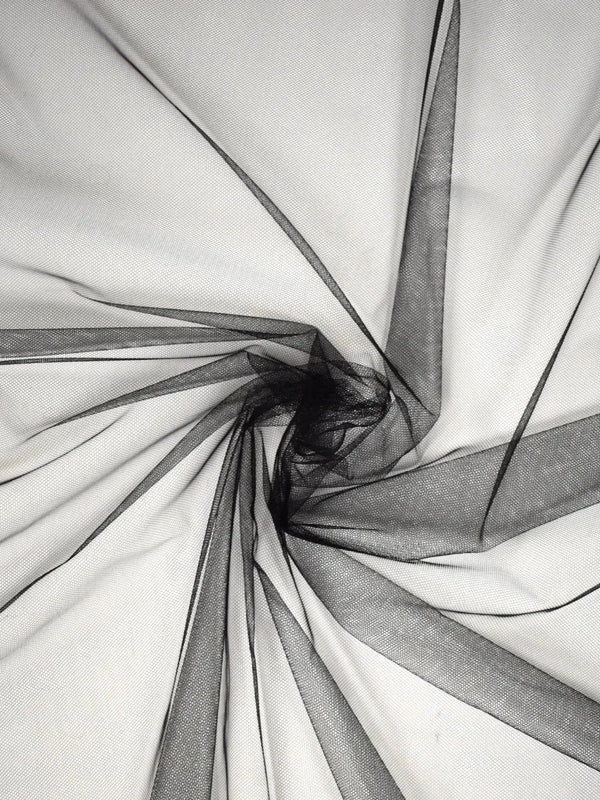
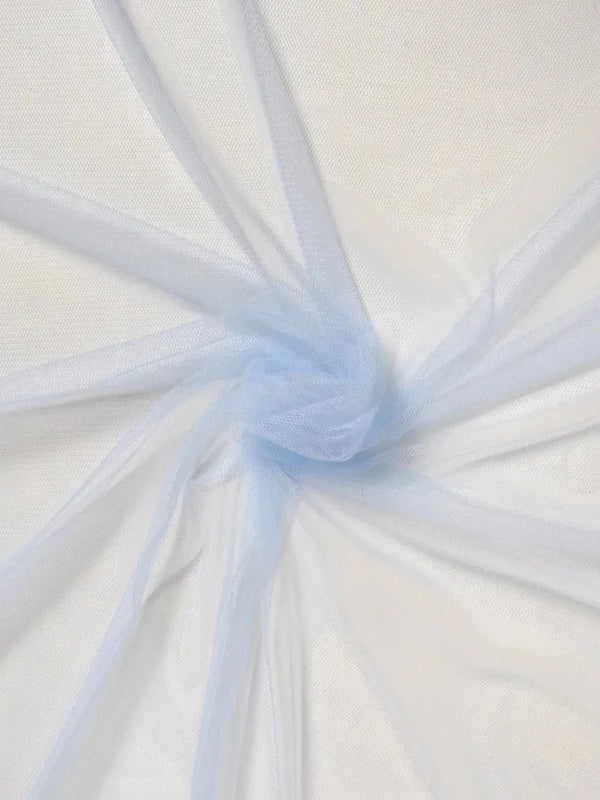
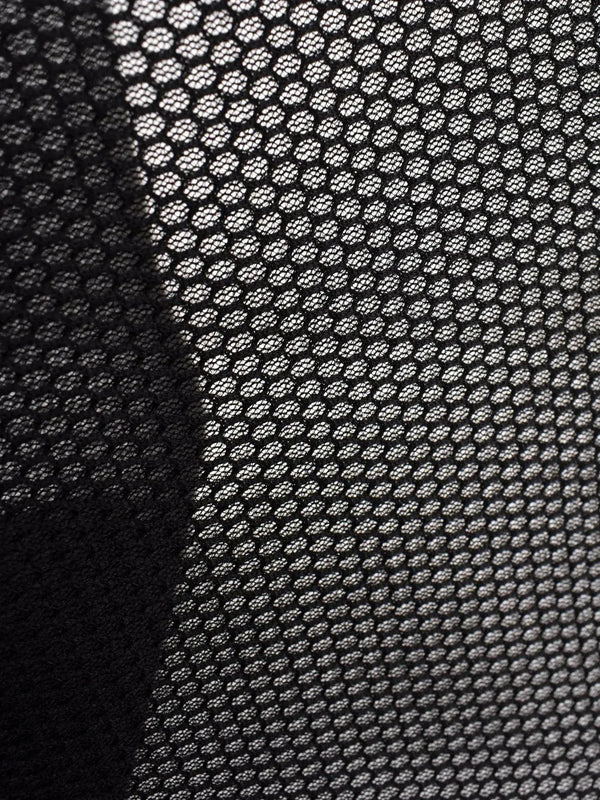
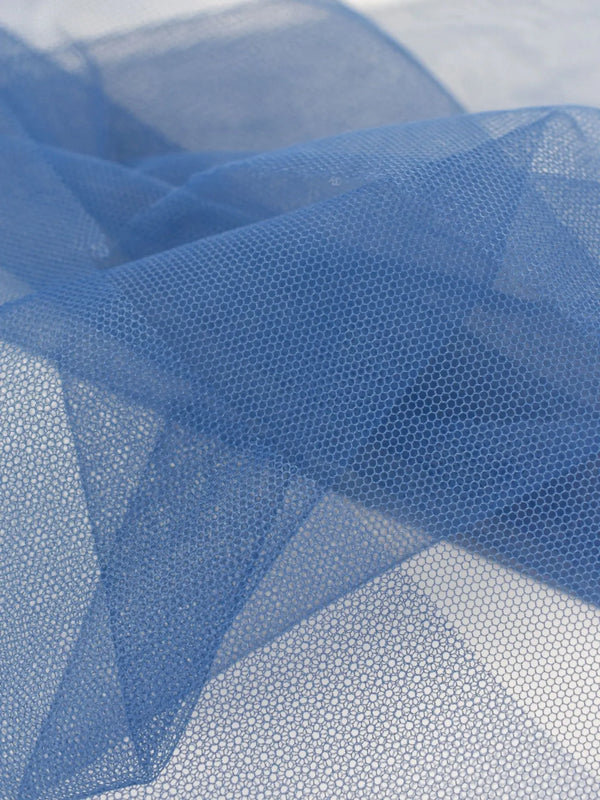
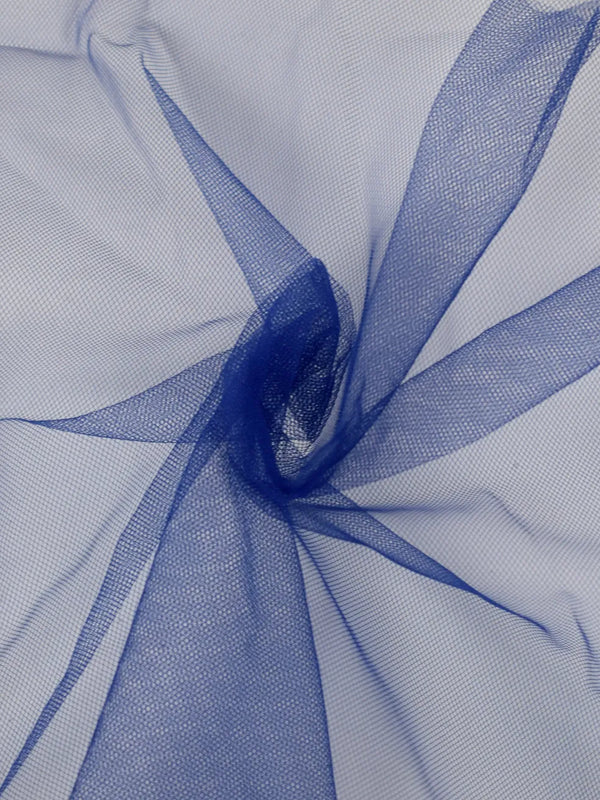
Tulle fabric is a very light, sheer net made of fine yarns linked into small, usually hexagonal, meshes. It is the material that gives full skirts, petticoats and veils volume without weight. Tulle can be soft or stiff, in nylon, polyester or silk, and it does not fray, so edges can be left raw.
This guide is for tailors, designers and brands. It covers how tulle is made, the main fibres and types, how it differs from organza and lace, how to sew it and where to find it among Zerow's deadstock fabrics, surplus from Italian luxury houses and mills.
What is tulle fabric?
Tulle is a fine net with regular holes, often starched to give it body. The name comes from the town of Tulle in central France, known in the eighteenth century for lace and silk, as the Textile Research Centre in Leiden notes.
In the nineteenth century tulle was made on bobbinet machines; today it is almost always warp-knitted, a technique that links the yarns into a stable net. Because the yarns are locked together, cut tulle fabric does not fray.
What tulle is made of
| Fibre | Handle and look | Best for |
|---|---|---|
| Nylon | Light, strong, from soft to very stiff, slight sheen | Full skirts, petticoats, costumes |
| Polyester | Stable, colourfast, drier handle | Clothing, accessories, decoration |
| Silk | Very soft, fluid, matt and natural | Bridal veils, couture overlays |
| Blends with elastane | Stretchy, follows the body | Bodysuits, fitted sleeves, sheer panels |
Types of tulle fabric
Soft tulle
Fluid and gentle on the skin, used for veils, overlays and skirts that need to move lightly. Bridal shops often call it illusion tulle.
Stiff tulle
Starched and firm, it holds volume on its own: the tulle of petticoats, tutus and tiered skirts.
Stretch tulle
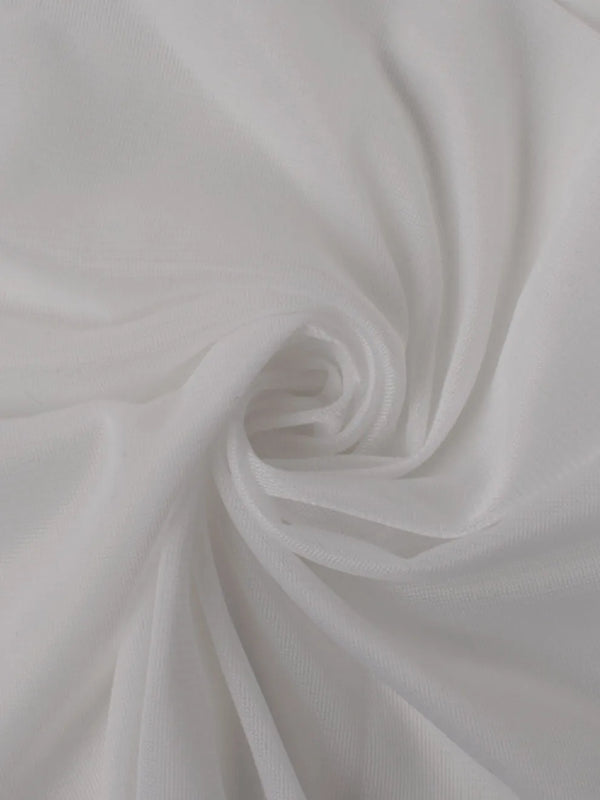
With elastane, it works like a sheer second skin: corsetry, bodysuits, sleeves and fitted panels. Firmer versions are sold as power mesh.
Decorated tulle
With glitter, lurex, flocked dots, rhinestones, sequins or embroidery: the net is a light base for decoration that seems to float on the skin.




Tulle vs organza vs lace
| Fabric | Construction | Handle | Typical use |
|---|---|---|---|
| Tulle | Mesh net, often hexagonal | Very light, soft or stiff, does not fray | Full skirts, petticoats, veils |
| Organza | Plain weave from highly twisted yarns | Crisp, shiny, frays | Structured volumes, sleeves, overlays |
| Lace | Ornamental pattern, often on a tulle ground | Decorative, heavier | Bodices, appliqués, trims |
For organza, read our guide to organza fabric; for ornamental patterns, browse our lace collection.
Tulle fabric: pros and cons
| Pros | Cons |
|---|---|
| Volume without weight | Snags easily on jewellery and fastenings |
| Does not fray: edges can stay raw | Nylon is sensitive to a hot iron |
| Layers in many tiers | Stiff tulle scratches: it needs lining |
| Light base for embroidery and embellishment | Creases if left crushed for long |
What tulle fabric is used for
- Full skirts and multi-layered bridal gowns.
- Petticoats and crinolines that support the volume of other fabrics.
- Veils, birdcage veils and hair accessories.
- Sheer overlays on satin or crepe.
- Bodysuits, sleeves and fitted panels in stretch tulle.
- Stage and dance costumes, displays and gift wrapping.
How to sew tulle fabric
- Cut several layers at once, held with pattern weights: the net is light and shifts, but it does not fray.
- Put tissue paper under the seam so the presser foot does not catch in the mesh.
- Use a medium-long stitch and a fine needle; to gather, sew two rows of long stitches and pull.
- Leave edges raw or finish them with a rolled hem or ribbon.
- To remove creases, steam from a distance or press on the lowest setting with a cloth: nylon melts easily.


Buying deadstock tulle fabric
Zerow sells deadstock tulle: surplus and end-of-run cloth from Italian luxury houses and mills, already made and so needing no new production. For makers, that means couture-grade quality in limited, often unrepeatable quantities. Once a roll is gone, that tulle may not come back.
Fabrics are sold by the full roll. There is also a selection of fabrics cut to length, usually from a minimum of 10 metres: the details of each fabric, including how it is sold, are on the product page. Businesses with a VAT number have dedicated terms, and samples are available to everyone.
Our tulle fabric collection includes soft and stiff tulle, stretch mesh and tulle decorated with glitter, dots, embroidery and rhinestones. For fibres and constructions, read our guide to the types of fabric.
Tulle fabric FAQs
Does tulle fray?
No. Because it is a net with the yarns locked together, cut tulle does not fray and edges can be left raw, even on skirt tiers.
What is the difference between tulle and organza?
Tulle is a very light mesh net that does not fray. Organza is a crisp, shiny plain-weave fabric that frays at the edges and is used for more structured volumes.
Soft or stiff tulle for a skirt?
For a skirt that moves and is seen, choose soft tulle, often in several layers. To add volume underneath, as in a petticoat, you need stiff tulle, lined where it touches the skin.
How do you iron tulle?
Steam it from a few centimetres away, or press on the lowest setting with a cloth: nylon tulle melts easily in direct contact with the iron.
Can you dye tulle?
Nylon, silk and viscose tulle can be dyed with dyes suited to the fibre; polyester tulle needs special dyes and is hard to dye at home.
Can I order a sample before buying?
Yes, samples are available to all Zerow customers, private and business. It is the best way to judge stiffness, sheerness and colour before ordering by the roll or cut to length.


