






Silk fabric: types of silk, properties and how to tell real silk
A guide to silk fabric: where silk comes from, the main types, how to tell real silk, its pros and cons and how to sew and care for it.

Silk fabric is cloth woven from the fibre spun by the silkworm: light, soft, naturally lustrous and comfortable to wear. The same fibre becomes very different fabrics, from crepe de chine and chiffon to organza and taffeta, each with its own handle and use.
This guide is for tailors, designers and brands. It covers where silk comes from, the main types of silk fabric, how to tell real silk, its strengths and limits, how to sew and care for it, and where to find it among Zerow's deadstock fabrics, surplus from Italian luxury houses and mills.
What is silk fabric?
Silk is a natural animal fibre and the only one that comes as a continuous filament hundreds of metres long. That fine, even filament gives smooth fabrics that catch the light and drape softly.
Silk names the fibre; the weave can vary widely. The same yarn can become sheer chiffon, crisp taffeta or lustrous satin. For the difference between fibre and weave, see our guide to satin fabric.
Where silk comes from
Most silk is produced by the cultivated silkworm Bombyx mori, which feeds on mulberry leaves. Its cocoon is a single thread made of two fibroin filaments bound by a natural gum, sericin, as Britannica explains.
Degumming removes the sericin and leaves silk lustrous and soft. Raw silk keeps some of it and stays stiffer and duller. Wild silks such as tussah come from other species: the thread is less even, the natural colour warmer and the surface less bright.
Types of silk fabric
| Fabric | Character | Typical uses |
|---|---|---|
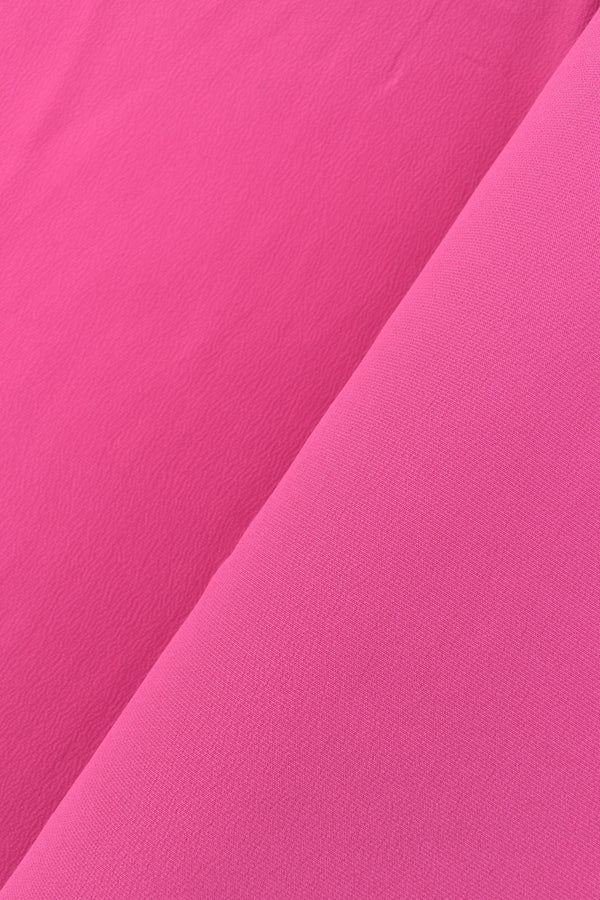
| Crepe de chine | Light, matt, fine grain, lovely drape | Blouses, shirts, fluid dresses |
| Georgette | Crinkled, slightly sheer, drier than chiffon | Dresses, skirts, sleeves |
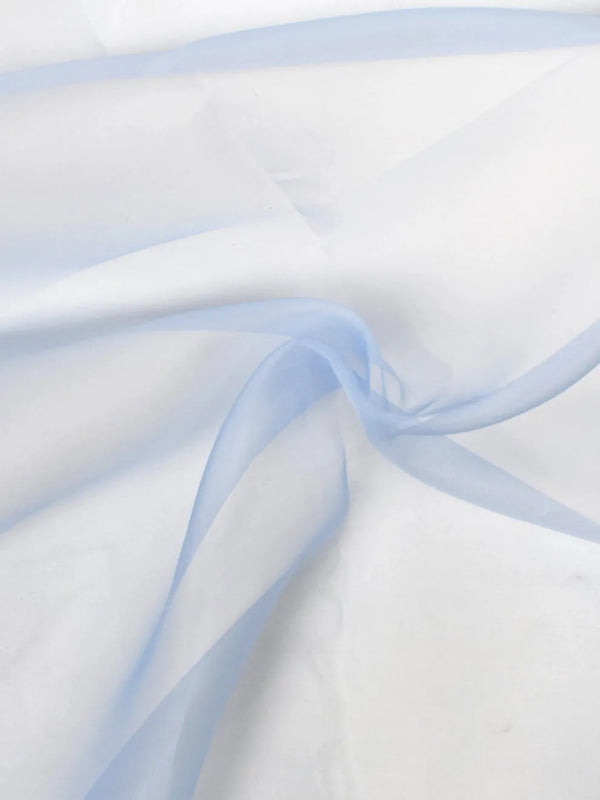
| Chiffon | Very light, sheer and fluid | Overlays, scarves, eveningwear |
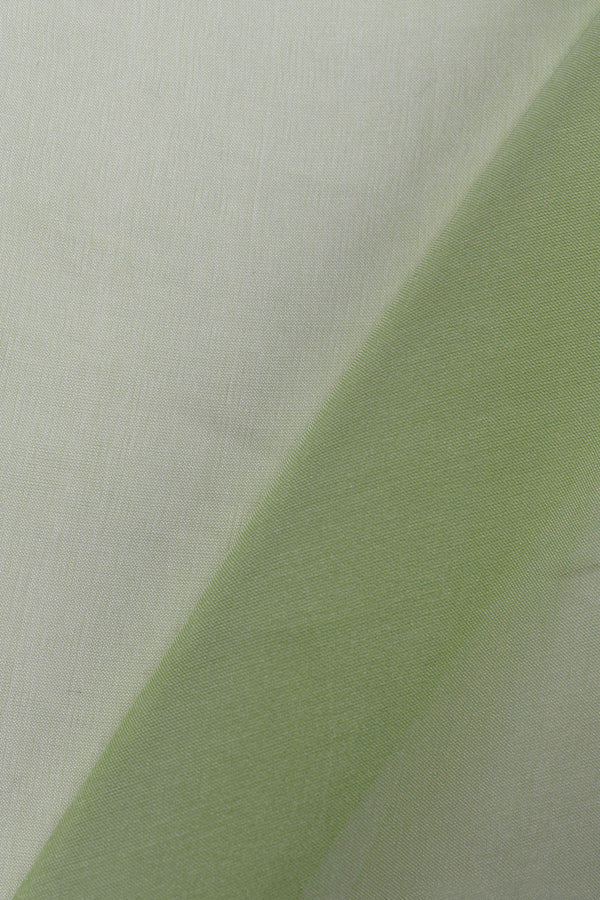
| Organza | Sheer and crisp, holds volume | Bridal, puffed sleeves, details |
| Taffeta | Dense and crisp, rustles as it moves | Occasionwear, full skirts |
| Silk twill | Fine diagonal, soft and strong | Scarves, ties, shirts |
| Satin or charmeuse | Lustrous face, dull back | Eveningwear, lingerie |
| Shantung and dupioni | Slubbed, irregular surface | Jackets, structured dresses |
| Habotai | Light, smooth plain weave | Linings, blouses, painted scarves |
Organza and chiffon also have their own collection, with both silk and synthetic versions.



How to tell if silk is real
Start with the label: in the EU the fibre composition must always be declared, and "silk" can only be used when the fibre really is silk. If there is no label, touch and a burn test help.
- Touch: silk warms up quickly in your hand and feels dry; polyester stays cooler and slicker.
- Sheen: silk has soft highlights that shift with the light, while synthetics shine more evenly and flatly.
- Burn test on a single thread from the edge: silk burns slowly, self-extinguishes, smells of burnt hair and leaves a black ash that crumbles. Polyester melts into a hard bead; viscose burns like paper.
Do the test away from anything flammable and only on a thread, never on the fabric. Blends give unclear results, so rely on the stated composition.
Silk fabric: pros and cons
| Pros | Cons |
|---|---|
| Natural lustre and deep colours | Delicate: dislikes abrasion, sweat and bleach |
| Light, and strong when dry | Loses strength when wet |
| Breathable, absorbs moisture without feeling damp | Some silks spot with water drops |
| Soft drape at every weight | Direct sunlight fades and weakens it |
Is silk breathable? Yes. It takes up around 11% of its weight in moisture while still feeling dry, so it is cool in summer and comfortable in colder months.
What silk is used for
| Garment | Suitable silk |
|---|---|
| Blouses and shirts | Crepe de chine, habotai, twill |
| Fluid dresses | Georgette, charmeuse, crepe |
| Evening and bridal wear | Organza, taffeta, satin, chiffon overlays |
| Jackets and structured pieces | Shantung, taffeta, jacquard |
| Scarves and ties | Twill, chiffon |
| Fine linings | Habotai, light satin |
Sewing and caring for silk
Light silks slip and mark; heavier ones are easier. Either way, a little preparation pays off.
- Cut in a single layer, on tissue paper if it slips, with very sharp shears or a rotary cutter.
- Use fine new needles, fine pins in the seam allowance and a short stitch.
- On sheer silks, use French seams: they enclose the raw edges and stay neat against the light.
- Press on the wrong side at a low setting with a cloth, and keep water drops off silks that spot.
- Follow the care label: many silks are dry clean only, others can be hand washed cold with a gentle detergent. Never use bleach.


Buying deadstock silk fabric
Zerow sells deadstock silk fabric: surplus and end-of-run cloth from Italian luxury houses and mills, already made and so needing no new production. For makers, that means couture-grade quality in limited, often unrepeatable quantities. Once a roll is gone, that silk may not come back.
Fabrics are sold by the full roll. There is also a selection of fabrics cut to length, usually from a minimum of 10 metres: the details of each fabric, including how it is sold, are on the product page. Businesses with a VAT number have dedicated terms, and samples are available to everyone.
Our silk fabric collection includes crepe, chiffon, organza, taffeta, twill, jacquard and silk satin, plain and printed. For fibres and weaves, read our guide to the types of fabric.
Silk fabric FAQs
How can you tell if fabric is real silk?
Check the label or product page first, where the composition must be stated. Silk warms quickly in the hand, and in a burn test a single thread burns slowly, smells of burnt hair and leaves a crumbly ash.
Is silk breathable?
Yes. It absorbs around 11% of its weight in moisture without feeling damp, so it stays cool in summer and comfortable in winter.
Can you wash silk?
It depends on the fabric and finish. Many silks are dry clean only; others can be hand washed in cold water with a gentle detergent. Always follow the label and test on an offcut first.
What is the difference between silk and satin?
Silk is a fibre and satin is a weave. Silk satin exists, but satin can also be viscose or polyester, and silk can be woven as chiffon, crepe or taffeta.
What is crepe de chine?
A light, matt silk with a fine grain created by twisted yarns. It drapes beautifully and is used mainly for blouses, shirts and fluid dresses.
Can I order a sample before buying?
Yes, samples are available to all Zerow customers, private and business. It is the best way to judge handle, weight and colour before ordering by the roll or cut to length.


