






Interlock fabric: what it is, properties and interlock vs jersey
What interlock fabric is: how it is made, its properties, interlock vs jersey, summer or winter, uses and how to sew it.

Interlock fabric is a double knit: two fine rib structures knitted together and locked into each other, giving a fabric that looks the same on both sides and is smooth, soft and more stable than jersey. The name comes from that interlocking. It is usually cotton and is used for premium T-shirts, polo shirts, babywear and pyjamas.
This guide is for tailors, designers and brands. It covers how interlock is made, its properties, how it differs from jersey, whether it suits summer or winter, the main types, how to sew it and where to find it among Zerow's deadstock fabrics, surplus from Italian luxury houses and mills.
What is interlock fabric?
Interlock is knitted on circular machines with two sets of needles. Each pass meshes two 1x1 ribs into one another, so the loops on one side are held in place by those on the other. It is one of the most common double knits, as Cotton Incorporated explains in its guide to double knits.
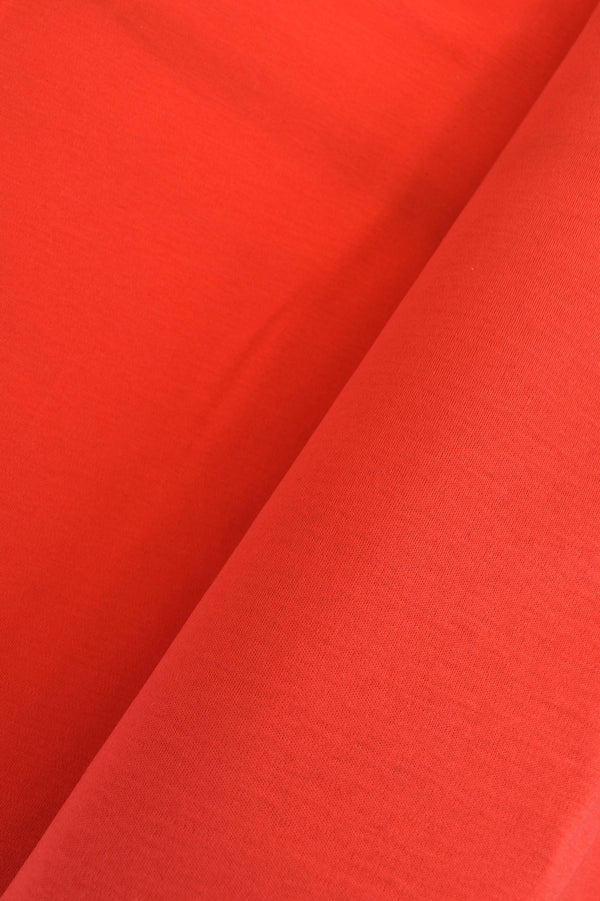
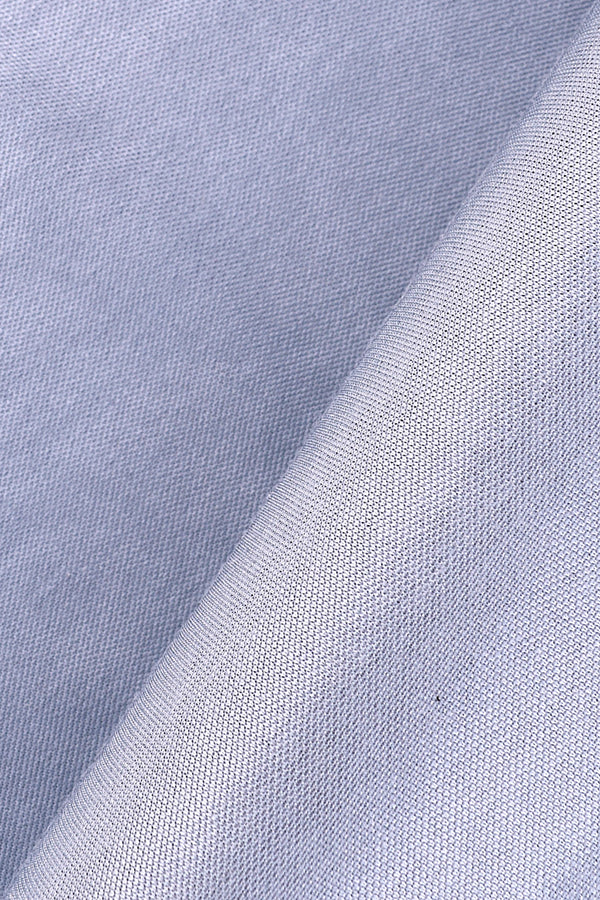
Up close, interlock shows the small "V" stitches of jersey's face on both sides. There is no wrong side: both faces match, which is the quickest way to recognise it.
Properties of interlock
- Two identical faces, smooth and even, good for printing.
- Edges that do not curl when cut, because the structure is balanced.
- Thicker, denser and more stable than a single knit in the same yarn.
- Moderate stretch, mostly across the width, with good recovery.
- A soft, full handle that keeps its shape wash after wash.
Interlock vs jersey
| Interlock | Jersey | |
|---|---|---|
| Construction | Double knit, two needle sets | Single knit, one needle set |
| Faces | Same on both sides | Smooth face, different back |
| Edges | Do not curl | Tend to curl |
| Weight and warmth | Thicker and warmer | Thinner and lighter |
| Stability | Holds its shape, drapes less | More fluid and drapey |
For every kind of jersey, read our guide to jersey fabric; for an overview of knits, see our guide to knit fabric.
Is interlock fabric for summer or winter?
It depends on the fibre and weight. Lightweight cotton interlock works all year round and is common in T-shirts and children's clothing even in summer. As a double knit, though, it is always a little warmer than jersey in the same cotton. Heavier versions, or blends with wool and cashmere, suit spring, autumn and winter.


Types of interlock fabric
| Type | Character | Typical uses |
|---|---|---|
| Cotton interlock | Soft, breathable, stable | T-shirts, polos, babywear, pyjamas |
| Organic cotton | As cotton, from organic farming | Children's clothing, underwear |
| Wool or cashmere blend | Warm, full, elegant | Knit tops, dresses, soft trousers |
| With viscose or elastane | More fluid or stretchier | Fitted dresses, leggings, tops |
| Patterned and striped | Yarn-dyed or slub | T-shirts and casualwear |
| Foiled or coated | Shiny or rubberised surface | Fashion pieces, light jackets, accessories |


What interlock is used for
- Premium T-shirts and polo shirts that stay firm and keep their shape.
- Baby and children's clothing, such as rompers and bodysuits, because it is soft with no rough back.
- Pyjamas, underwear and loungewear.
- Leggings, tops and light activewear in versions with elastane.
- Clean-lined dresses, skirts and tops that need a stable knit.
How to sew interlock
- Use a ballpoint or jersey needle, which slips between the loops without breaking them.
- Sew on an overlocker, or with a stretch stitch or narrow zigzag, so the seam moves with the fabric.
- Cut with the fabric flat and relaxed, following the direction of the ribs.
- Hems can be simple because edges do not curl, but finish them anyway: interlock can run from the end knitted last.
- Pre-wash cotton interlock to avoid shrinkage later.


Buying deadstock interlock fabric
Zerow sells deadstock interlock: surplus and end-of-run cloth from Italian luxury houses and mills, already made and so needing no new production. For makers, that means couture-grade quality in limited, often unrepeatable quantities. Once a roll is gone, that interlock may not come back.
Fabrics are sold by the full roll. There is also a selection of fabrics cut to length, usually from a minimum of 10 metres: the details of each fabric, including how it is sold, are on the product page. Businesses with a VAT number have dedicated terms, and samples are available to everyone.
Our interlock fabric collection includes cotton, organic cotton, wool and cashmere, foiled and coated interlock, plain and striped. For fibres and constructions, read our guide to the types of fabric.
Interlock fabric FAQs
What does interlock mean on a T-shirt or pyjamas?
It means the garment is made of interlock, a double knit that looks the same on both sides. It usually means a thicker, softer and more stable garment than a standard jersey tee.
Is interlock fabric stretchy?
Yes, moderately: it stretches mainly across the width and recovers well. Versions with elastane are stretchier and suit fitted garments.
Is cotton interlock warm?
It is warmer than jersey in the same cotton, because it is a double knit. Lightweight versions stay breathable and are worn in summer too.
Does interlock run or ladder?
Much less than a single knit, and the edges do not curl. It can only run from the end knitted last, so it is worth finishing hems.
Does cotton interlock shrink?
Like all cotton, it can shrink a little on the first wash. Pre-wash the fabric before cutting to avoid surprises in the finished garment.
Can I order a sample before buying?
Yes, samples are available to all Zerow customers, private and business. It is the best way to judge thickness, handle and stretch before ordering by the roll or cut to length.


