






Jersey Fabric: What It Is, Types and How to Use It
A guide to jersey fabric: what it is, where the name comes from, the types by fibre and construction, its pros and cons, how to use it and how to sew it.

Jersey fabric is the simplest and most widespread knit: a soft, stretchy single knit with rows of small "V"s on the face and horizontal loops on the back. It comes in cotton, viscose, wool, silk and synthetics, and it is the fabric of T-shirts as well as fluid dresses, tops and elegant pieces.
This guide to jersey fabric is written for tailors, designers and brands: where it comes from, the types of jersey by fibre and construction, its pros and cons, how to use and sew it, and where to find it among Zerow's deadstock fabrics, surplus from Italian luxury houses and mills.
What is jersey fabric?
Jersey is a weft knit: a single yarn forms rows of loops that interlock with each other. It is a single knit, made on one needle bed, which is why the face and back look different. The loops stretch and spring back, giving jersey its stretch even without elastane.
To see how it compares with other knits such as rib, interlock and Milano rib, read our guide to knit fabric.
Where the name jersey comes from
The name comes from the island of Jersey in the Channel Islands, where wool knits were made for centuries for fishermen's clothing. In the early twentieth century Coco Chanel brought jersey into womenswear, using it for soft suits and dresses: a working fabric became a fashion material.
Types of jersey fabric
By fibre
| Jersey | Properties | Typical uses |
|---|---|---|
| Cotton | Cool, breathable, easy to sew | T-shirts, tops, casual dresses |
| Viscose and modal | Soft and fluid with beautiful drape | Dresses, blouses, draped tops |
| Wool | Warm, stretchy, regulates temperature | Dresses, skirts, winter pieces |
| Silk | Light, lustrous, very fluid | Eveningwear, elegant blouses |
| Synthetics and blends | Hard-wearing, quick-drying | Sportswear, technical pieces, swimwear |
Stable or stretch
Stable jersey has no elastane: it gives across the width thanks to the knit, but recovers less. Stretch jersey contains a small percentage of elastane, which increases stretch and recovery: it is the one to choose for close-fitting garments.
Single or double
Classic jersey is a single knit. Double knits such as interlock and Milano rib are made on two needle beds: they look the same on both sides, are denser and do not curl. They are sometimes sold as "double jersey".


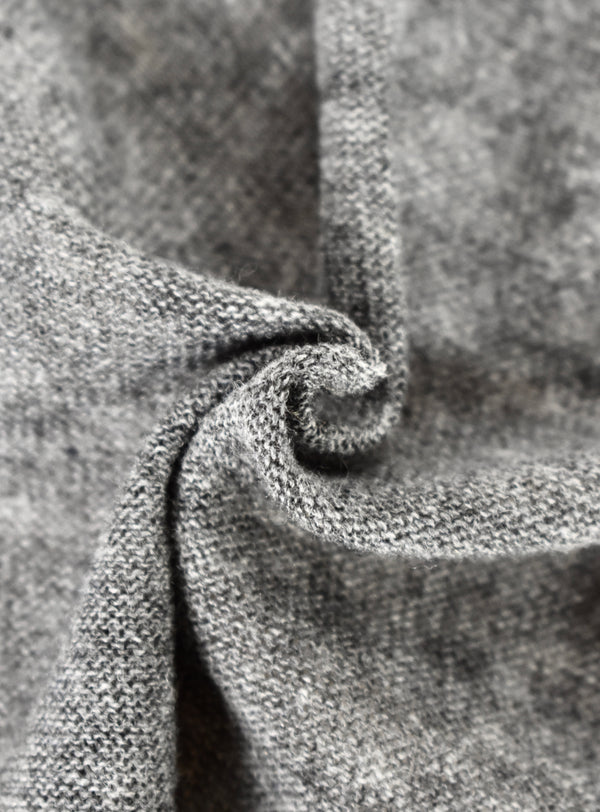
Jersey fabric properties: pros and cons
| Pros | Cons |
|---|---|
| Soft and stretchy, follows the body | Cut edges tend to curl |
| Creases very little | Can ladder if a yarn breaks |
| Light and pleasant on the skin | Loses shape if pulled while sewing or hung wet |
| Available in many fibres and weights | Cotton can shrink in the wash |
Is jersey stretchy? Yes, mainly across the width; lengthways it gives much less. With elastane it stretches both ways and recovers better.
What jersey is used for
| Garment | Suitable jersey |
|---|---|
| T-shirts and tops | Light or medium cotton jersey |
| Fluid, draped dresses | Viscose or silk jersey |
| Fitted pieces and leggings | Jersey with elastane |
| Winter dresses and skirts | Wool jersey |
| Sportswear | Synthetic or blended jersey |
How to sew jersey
- Use a ballpoint or stretch needle, which parts the loops without breaking them.
- Choose stitches that stretch: a narrow zigzag, a stretch stitch or an overlocker; for hems, a coverstitch or twin needle.
- Cut flat, without letting the fabric hang off the table, and follow the wales as the straight grain.
- To control curling edges, use weights instead of pins and stabilise shoulders and necklines with tape.
Care and washing
Wash jersey inside out on a gentle cycle with water that is not too hot, and avoid the tumble dryer unless the composition allows it. Wool and heavy jerseys should be dried flat. If the garment will be washed, pre-wash the fabric before cutting so any shrinkage happens first. Always follow the care label.


Where to buy deadstock jersey fabric
Zerow sells deadstock fabrics: surplus and end-of-run stock from Italian luxury houses and mills, already made and so requiring no new production. For makers, that means couture-grade quality in limited, often unrepeatable quantities: once a roll is gone, that fabric may not come back.
Fabrics are sold by the full roll. There is also a selection of fabrics cut to length, usually from a minimum of 10 metres: the details of each fabric, including how it is sold, are shown on the product page. Businesses with a VAT number have dedicated terms, and samples are available to everyone.
Jersey fabric: frequently asked questions
Is jersey fabric stretchy?
Yes, mainly across the width thanks to its knit structure. Jersey with elastane also stretches lengthways and recovers better.
What is stable jersey?
Jersey without elastane: it gives thanks to the knit but recovers less than stretch jersey. It suits soft garments that do not need to cling.
What is the difference between jersey and interlock?
Jersey is a single knit, different on each side, with edges that curl; interlock is a double knit, the same on both sides, denser and more stable.
How do I stop jersey from curling?
Cut it flat with weights instead of pins, finish the edges straight away with an overlocker or zigzag, and stabilise necklines and hems with tape.
Is cotton or viscose jersey better?
Cotton is cooler, firmer and easier to sew, ideal for T-shirts; viscose is more fluid and drapes better, ideal for dresses and draped pieces.
Can I order a sample before buying?
Yes, samples are available to all Zerow customers, private and business. It is the best way to judge handle, weight and stretch before ordering by the roll or cut to length.


