

Viscose fabrics: discover comfort, style, and versatility

Viscose fabrics are a versatile and refined choice for fashion professionals, such as tailors, designers, and brands. Their ability to combine softness, fluidity, and an elegant drape makes them ideal for a wide range of garments, from tailored suits to accessories. In this article, we'll explore everything you need to know about the fiber, the different types of viscose fabrics , their technical characteristics, and how to purchase them online safely and conveniently.
Viscose Fabrics: Everything You Need to Know About the Fiber and Its Types
Viscose fabrics are highly versatile materials, prized for their softness, fluidity, and elegant drape. They are made from regenerated fibers, which can be cellulosic or protein- based. Cellulosic fibers derive from the cellulose found in wood or other plant sources, while protein-based fibers come from animal sources, such as regenerated silk. This distinction affects the characteristics of viscose fabrics , from their sheen to their washing properties.
Among the most common types of cellulose-based viscose fabrics we find:
-
Rayon : soft and shiny, similar to silk, suitable for elegant clothes.
-
Lyocell : durable and breathable, ideal for comfortable and practical garments.
-
Modal : bright, versatile and perfect for clothes that require bright colors.
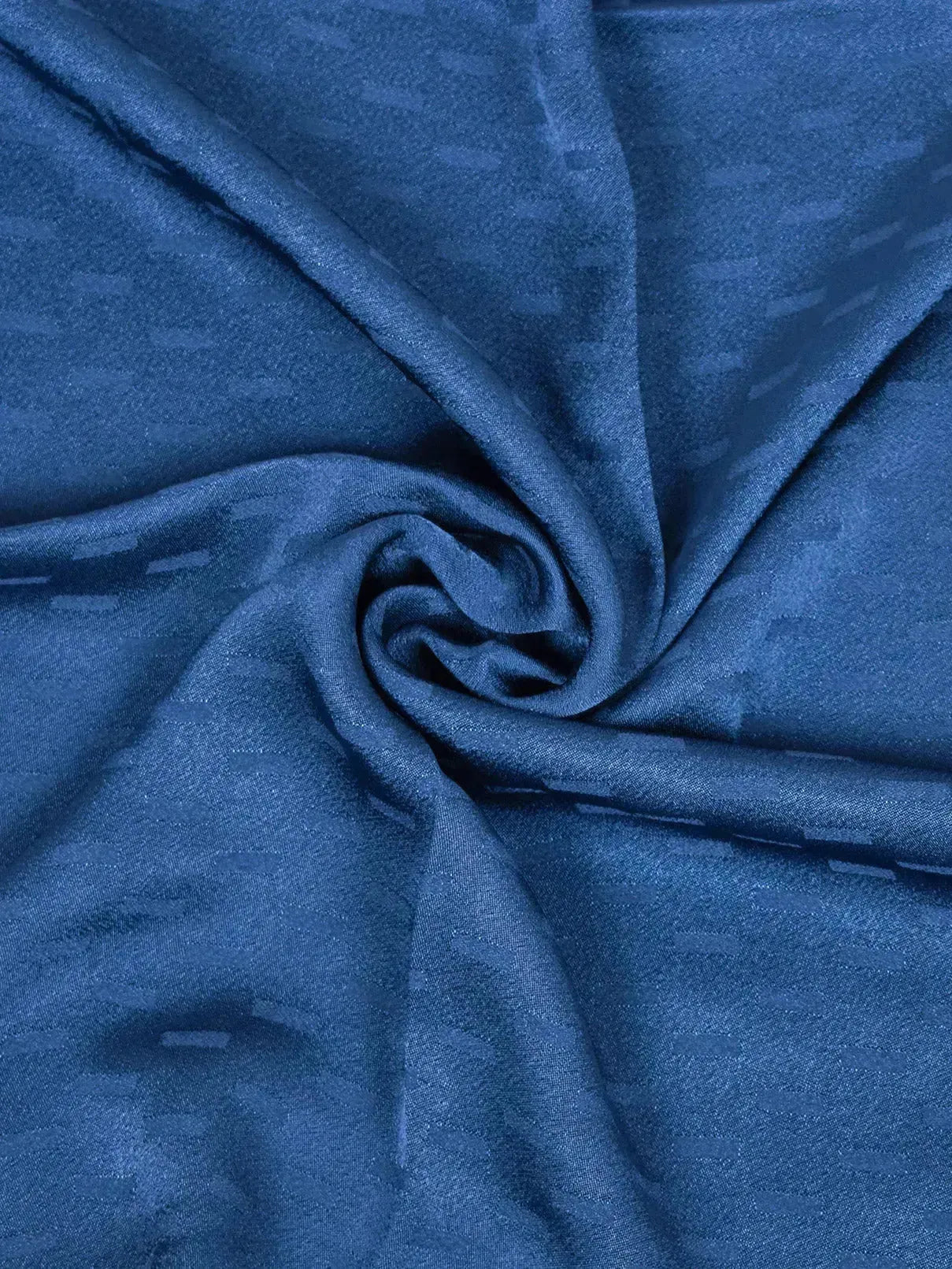
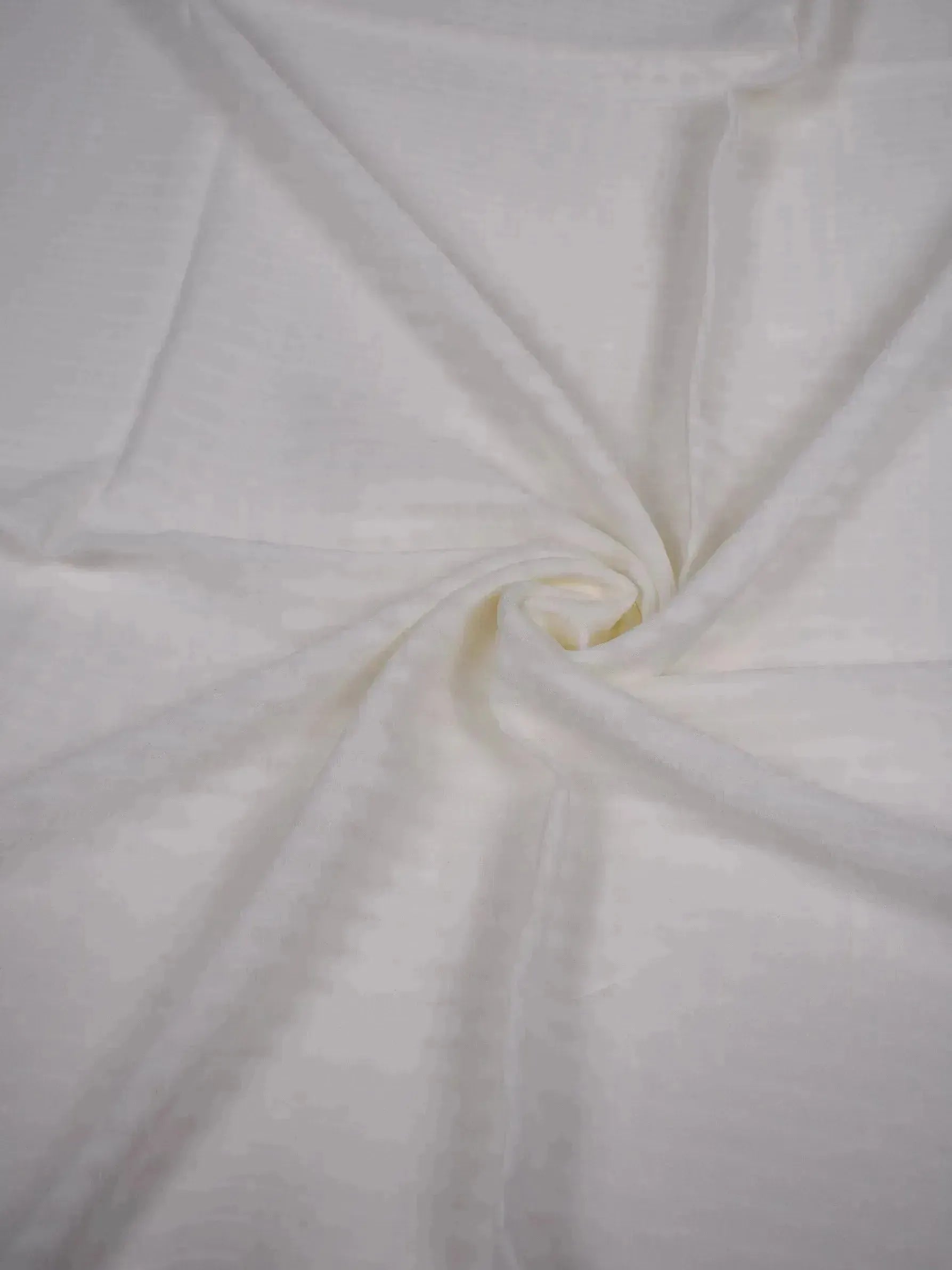
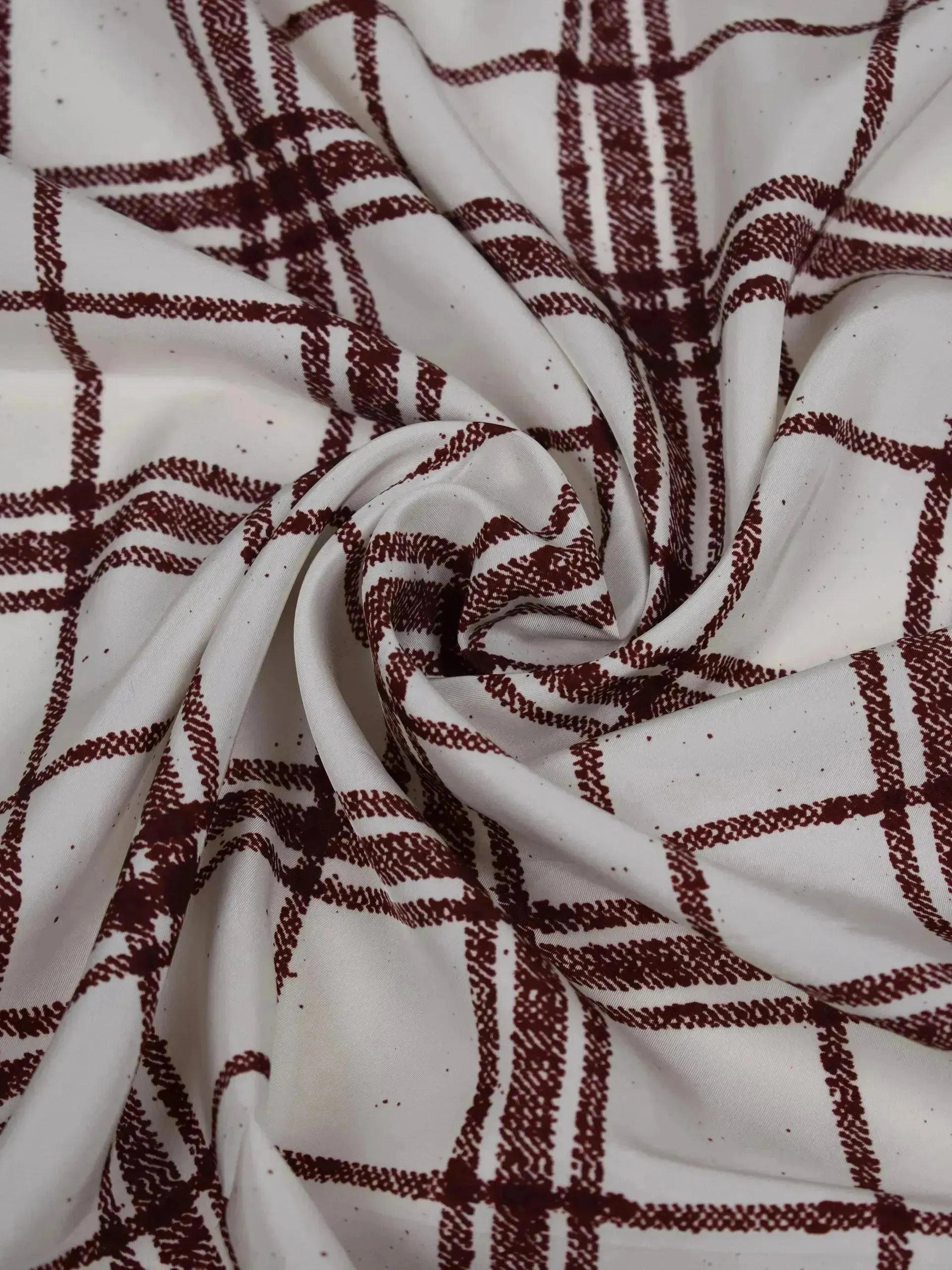
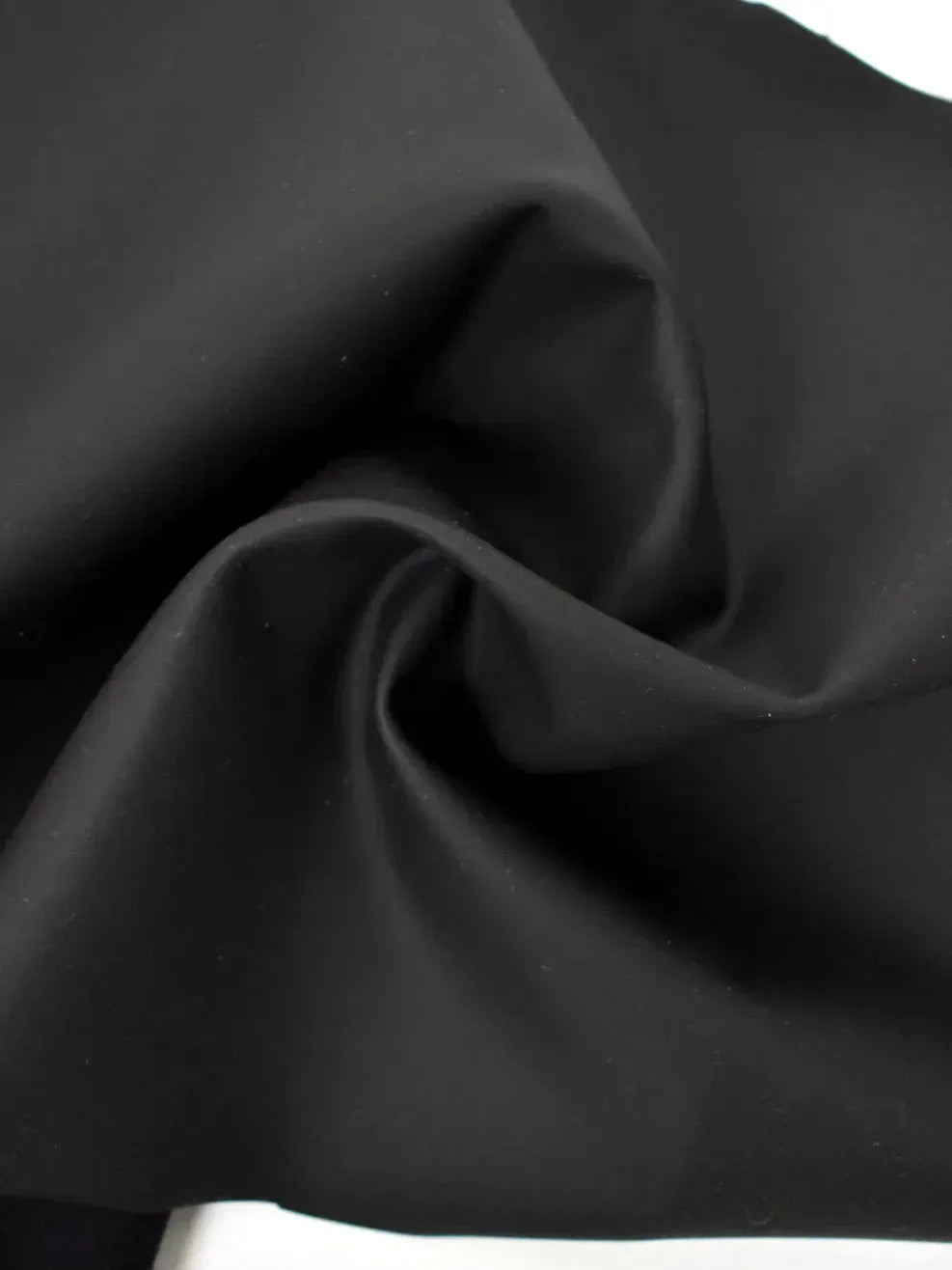
Viscose fabrics also stand out for their versatility in processing and dyeing, allowing for uniform, vibrant colors as well as different textures such as velvet, satin, or crepe. This makes them ideal for both dressmakers and designers, as well as for sewing enthusiasts seeking elegant yet easy-to-care-for materials.
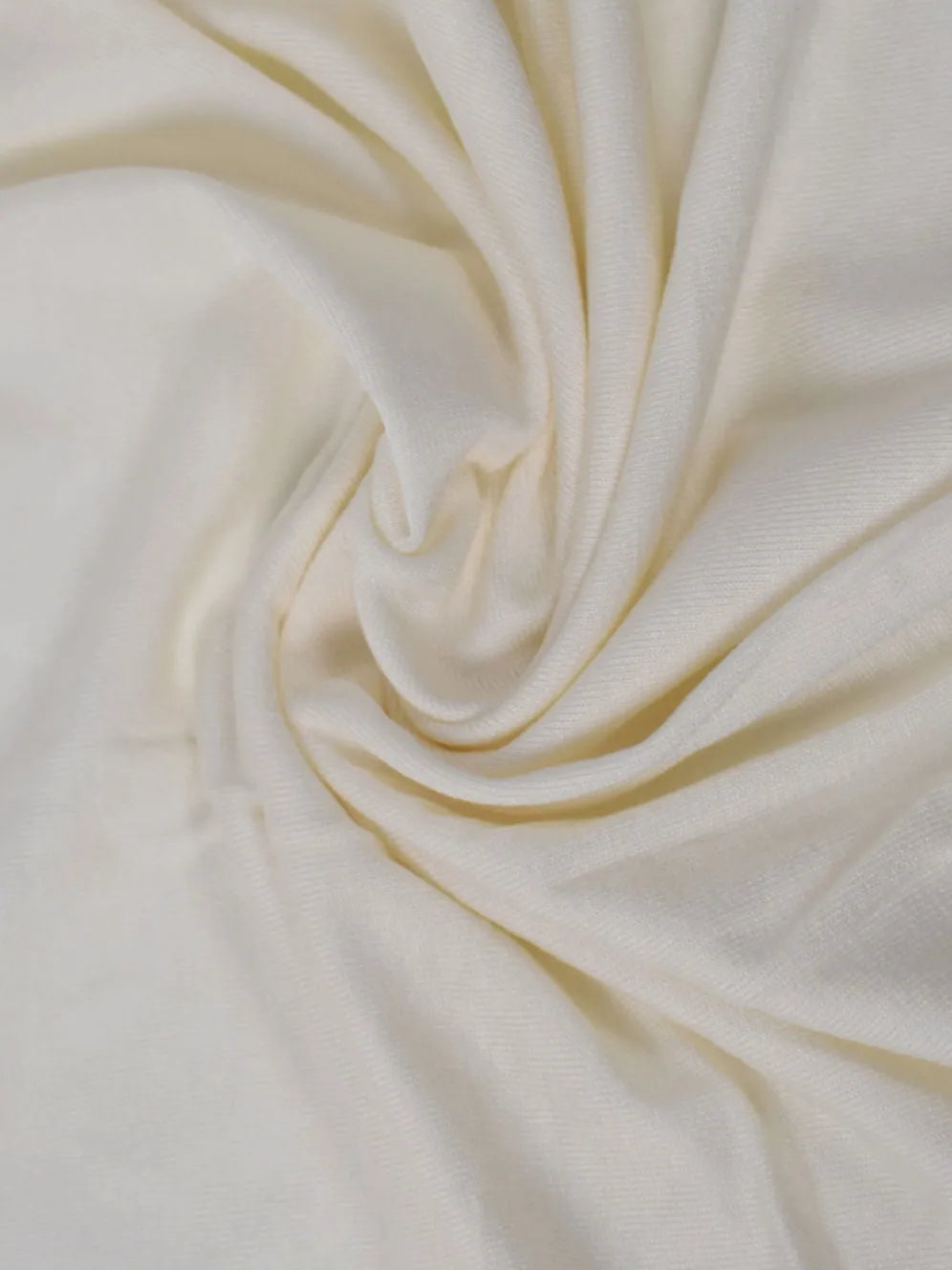
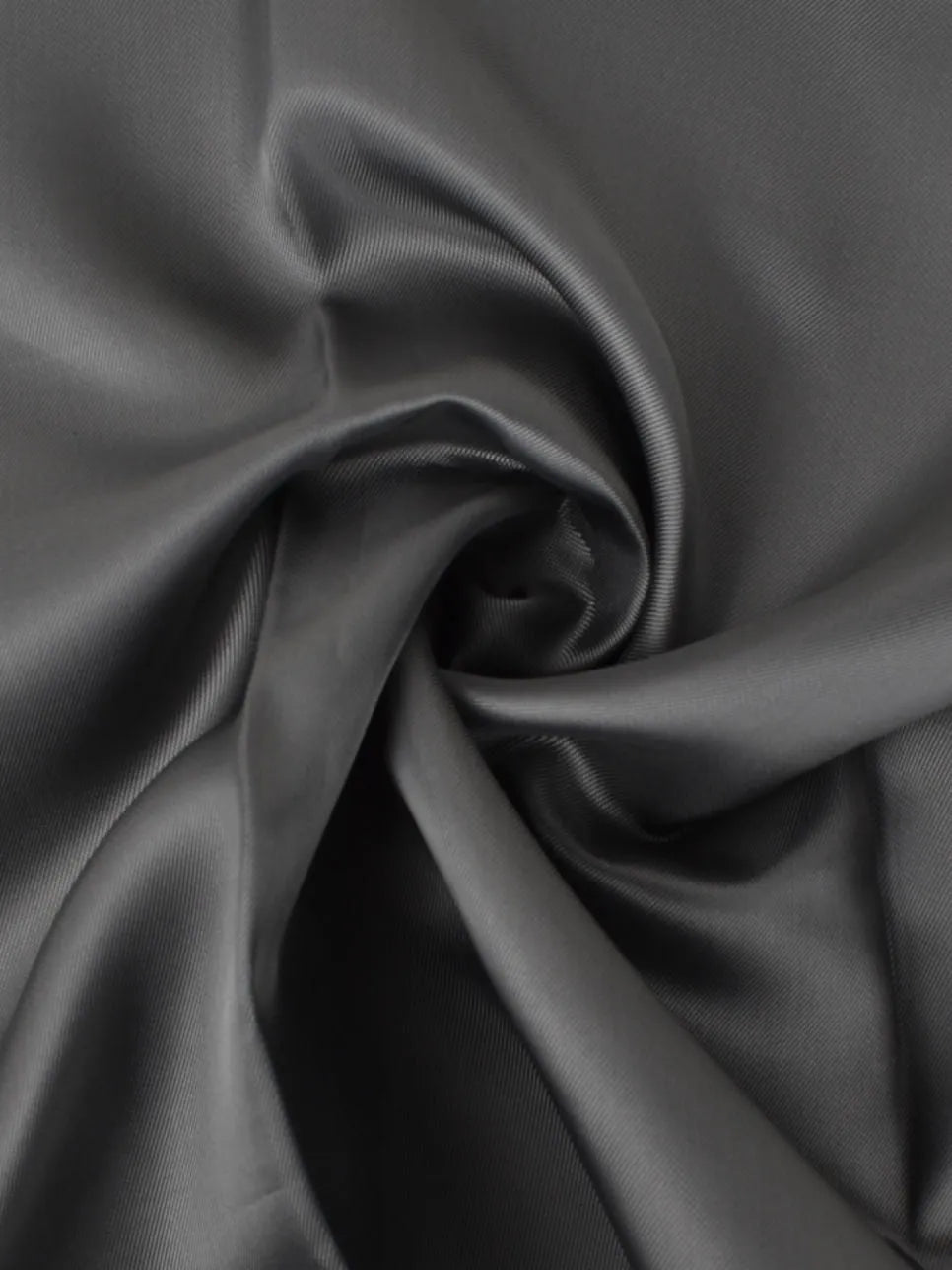
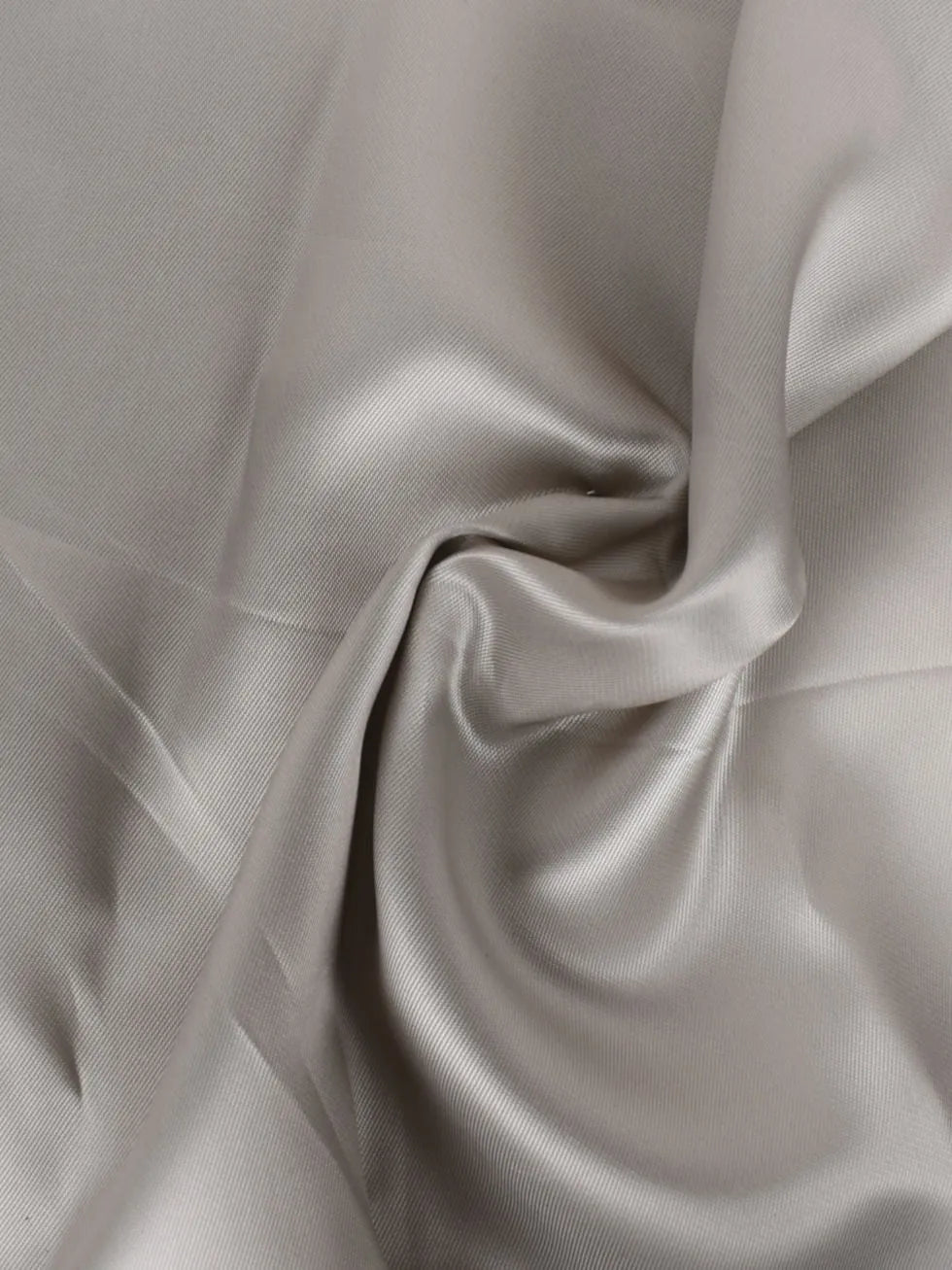
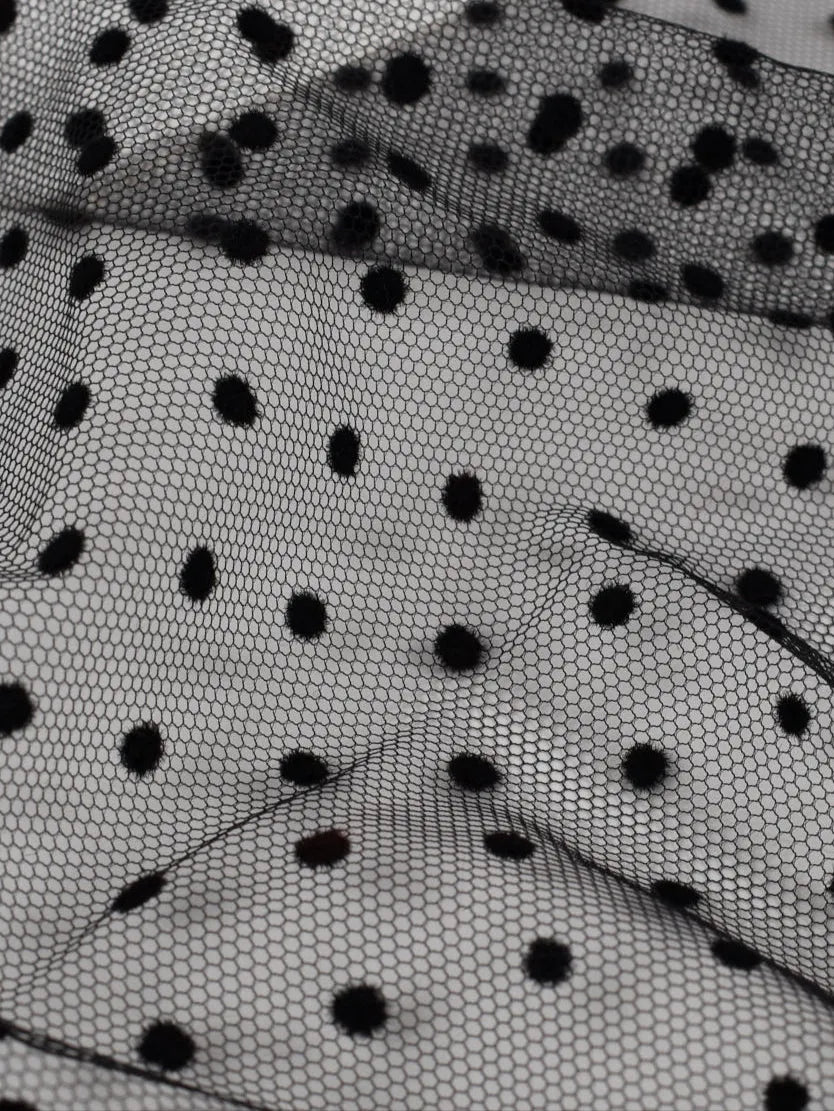
Why choose viscose fabrics: the advantages you should know
-
Softness and elegant fall
-
Breathability and comfort
-
Ease of dyeing and chromatic versatility
-
Adaptability to different types of processing
-
Excellent value for money
Viscose fabrics are prized by industry professionals for their softness and elegant drape. This makes them ideal for tailored suits, haute couture garments, and accessories, as the material naturally follows the body's contours, lending a refined and polished look.
Another key advantage of viscose fabrics is breathability. The regenerated natural fiber allows the fabric to absorb moisture, maintaining comfort even in the most fitted garments or those worn for long hours. This makes it perfect for summer dresses, shirts, or quality workwear.
Professionals also appreciate the ease with which viscose fabrics can be dyed, resulting in vibrant, uniform colors. This makes them extremely versatile: coordinated or customized garments can be created according to the brand's or end customer's needs.
The versatility of viscose fabrics also extends to their processing: they can be sewn, draped, pleated, or combined with other fibers, without compromising quality or aesthetic appeal. This makes them ideal for tailors, designers, and brands seeking a material that can adapt to complex projects.
Finally, viscose fabrics offer excellent value for money. While maintaining a silky appearance and a luxurious feel, they remain more affordable than other high-quality fibers, allowing professionals to create elegant garments within their budget.
Viscose fabrics: technical characteristics and how to recognize them
Physical-mechanical properties and feel/use behavior
| Property / Feature | What it means / How it manifests itself |
|---|---|
| Soft hand and “silky” feel | The fabric is smooth, soft to the touch, with a pleasant hand — often compared to that of silk. |
| Drape / Fluid fall | The fabric drapes elegantly, creating soft, flowing silhouettes, making it ideal for dresses, skirts, and garments with movement. |
| High breathability and good hygroscopicity | It allows air to pass through and absorbs moisture, making the fabric comfortable on the skin, suitable for summer garments or in direct contact with the body. |
| Excellent dye affinity and color rendering | Viscose fabrics absorb dyes well, allowing for intense, uniform, and brilliant colors—a great advantage for those producing fashion with unique colorways. |
| Variable weight / lightness (or medium-weight depending on the weave) | You can have light and airy or more structured versions, depending on the warp/weft density — useful for creating different garments (from flowing dresses to shirts, up to more structured materials). |
Typical limitations to consider
-
Reduced wet strength : Viscose fiber loses some of its strength when wet, making the fabric more delicate in the wash or when handled wet.
-
Tendency to wrinkle and shrink/deform if treated poorly : without proper care, garments may lose shape or have creases that are difficult to remove.
-
Sensitivity to heat and intense light : Prolonged exposure to the sun or high temperatures can deteriorate the fiber or reduce its strength.
How to recognize a good viscose fabric by touch and sight
To help you evaluate a sample or a meter of fabric – particularly useful for tailors, designers, or buyers – here's what to look for:
-
Soft touch and brightness — a smooth and even hand indicates good quality viscose.
-
Flowing drape: Lay the fabric flat and evaluate the drape; if it drapes naturally, without stiffness, it's a good sign.
-
Uniform color, without stains or faded areas after dyeing: quality viscose fabrics absorb color evenly.
-
Dry vs. Wet: Notice the difference — a significant loss of texture when wet may indicate a “weak” viscose if not treated properly.
-
Label / composition — if the fabric is described as “rayon / viscose”, or as one of its derivatives (such as Lyocell, Modal, etc.), evaluate the specific characteristics (resistance, elasticity, dimensional stability) based on the fiber.
For a more in-depth technical analysis of the composition, production, and behavior of viscose fabrics, you can consult this guide .


Where to Buy Viscose Fabrics Online
Purchasing viscose fabrics online has become essential for professionals such as tailors, designers, and fashion brands seeking variety and immediate availability. Before purchasing, it's important to carefully evaluate the fabric's composition, weight, texture, and any finishes, as well as its transparency and drape, to ensure the material is suitable for your projects.
On Zerow , you can find a wide selection of viscose fabrics , with a constantly updated catalog covering various types and finishes. The platform allows you to easily choose from different types of viscose fabrics, consult detailed data sheets with high-definition images and technical information, and purchase with the security of a reliable supplier specialized in the fashion sector.


