






Tweed fabric: what it is, types and how to recognise it
What tweed fabric is: woollen-spun cloth, classic vs novelty tweed, how to recognise it, types (Harris, Donegal, herringbone, bouclé), uses and care.

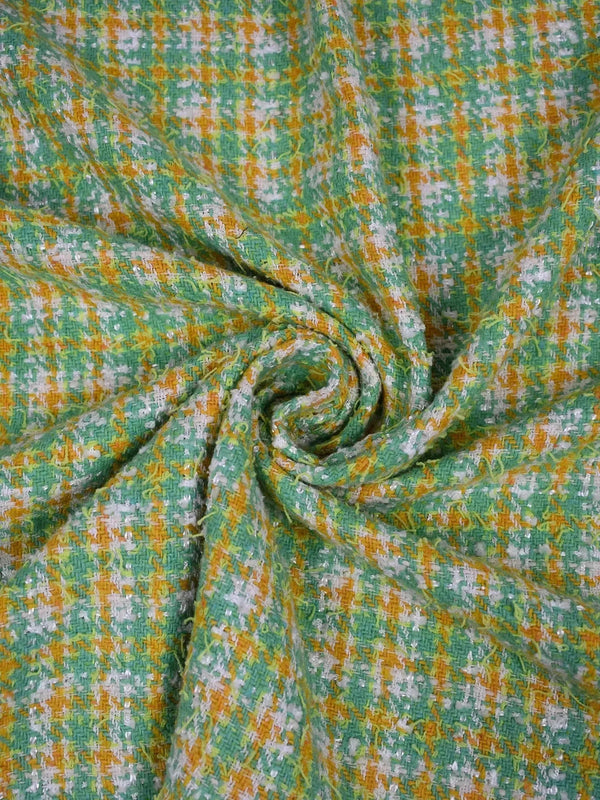
Tweed is a woollen fabric with a rough, slightly hairy surface, often flecked with small spots of colour. It was born in Scotland and Ireland for country jackets and coats: it is warm, hard-wearing and stands up well to wind and light rain. Today "tweed" also describes the novelty fabrics in mixed yarns used for women's jackets, which are lighter and more decorative.
This guide is for tailors, designers and brands. It covers what tweed fabric is made of, the difference between classic and novelty tweed, how to recognise it, the best-known types, how to work with it and where to find it among Zerow's deadstock fabrics, surplus from Italian luxury houses and mills.
What is tweed? What material is it made of?
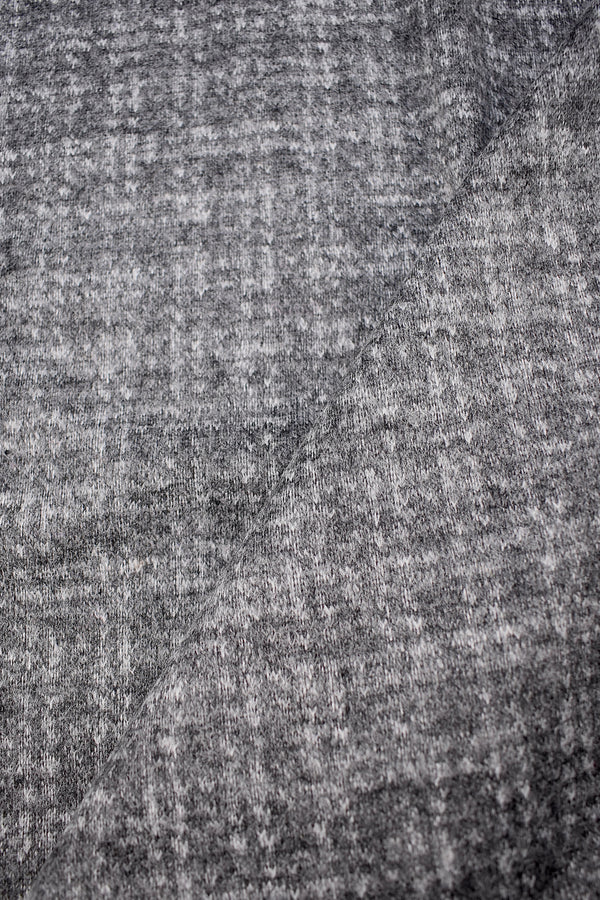
Traditional tweed fabric is made from woollen-spun yarn: short fibres spun without combing, which gives an irregular, bulky thread. It is usually woven in a twill, sometimes in a plain weave. The fibres are often dyed before spinning and blended together, which is where the typical flecks and heathered look come from.
The name is usually linked to "tweel", the Scots word for twill, and to the River Tweed, which runs between Scotland and England through a wool-milling area. For diagonal weaves, see our guide to twill fabric.
Classic tweed vs novelty tweed
| Classic tweed | Novelty tweed | |
|---|---|---|
| Fibre | Woollen-spun wool, sometimes with other animal fibres | Mixed yarns: cotton, wool, viscose, lurex, acrylic |
| Look | Rough, heathered, flecked, natural colours | Bouclé, slubby, with varied and shiny yarns |
| Patterns | Herringbone, houndstooth, checks | Free patterns, fringes, metallic effects |
| Weight and handle | Heavy, dense, warm | Lighter and softer |
| Uses | Jackets, coats, trousers, caps | Cropped jackets, skirt suits, skirts, dresses |
How to recognise tweed
- The surface is uneven and slightly hairy, with fibres standing out from the yarn.
- Up close you can see yarns of several colours mixed together, or small flecks of colour.
- It feels dry and full in the hand, never smooth and shiny like a worsted.
- Classic tweed is labelled wool, often "virgin wool"; novelty tweed has a mixed composition.
Harris Tweed is the only tweed defined by law: under the Harris Tweed Act 1993, it must be handwoven by islanders in their homes in the Outer Hebrides of Scotland, from pure virgin wool dyed and spun there. Genuine cloth carries the Orb mark.
Types of tweed fabric
| Type | Character |
|---|---|
| Harris Tweed | Handwoven in the Outer Hebrides, sturdy, with the Orb mark |
| Donegal | Irish, with dense flecks of bright colour |
| Shetland | Softer and lighter, from Shetland wool |
| Herringbone | A twill that changes direction in stripes, forming a "V" |
| Houndstooth and Glen check | Classic checks woven in tweed |
| Bouclé or novelty tweed | Looped, mixed yarns, often with lurex or fringes |
For the names of check patterns, read our guide to check fabrics.





Tweed fabric: pros and cons
| Pros | Cons |
|---|---|
| Warm and insulating | Heavy, not for hot weather |
| Hard-wearing, lasts for years | Woollen tweed can feel scratchy on the skin |
| Stands up to wind and light rain | Frays at the edges, especially bouclé |
| Hides creases and small marks | Usually dry clean only |
What tweed is used for
- Jackets and blazers, its most classic use.
- Coats, capes and waistcoats.
- Skirt suits, cropped jackets and skirts, especially in novelty tweed.
- Winter trousers and country suits.
- Caps, bags and accessories.
- Upholstery and cushions, in furnishing tweeds.
Sewing and caring for tweed
- Finish the edges straight away with an overlocker or zigzag: tweed, especially bouclé, frays easily.
- If it has a pattern, cut in a single layer and match checks and herringbones at the seams.
- Use a sturdy needle and a slightly longer stitch to suit the thickness.
- Line jackets and skirts: it makes them more comfortable and keeps rough wool off the skin.
- Press with steam and a cloth without flattening the texture; for cleaning, dry cleaning is usually needed.


Buying deadstock tweed fabric
Zerow sells deadstock tweed: surplus and end-of-run cloth from Italian luxury houses and mills, already made and so needing no new production. For makers, that means couture-grade quality in limited, often unrepeatable quantities. Once a roll is gone, that tweed may not come back.
Fabrics are sold by the full roll. There is also a selection of fabrics cut to length, usually from a minimum of 10 metres: the details of each fabric, including how it is sold, are on the product page. Businesses with a VAT number have dedicated terms, and samples are available to everyone.
Our tweed collection includes virgin wool, cotton and viscose blends, houndstooth, novelty and furnishing tweed. For fibres and weaves, read our guide to the types of fabric.
Tweed fabric FAQs
Is tweed wool?
Classic tweed is, made from woollen-spun wool. Fashion novelty tweeds are often mixed yarns with cotton, viscose or lurex: the composition is always on the product page.
Is tweed warm? Can you wear it in summer?
Wool tweed is warm and made for autumn and winter. For spring, light novelty tweeds in cotton or viscose are a better fit.
Is tweed itchy?
Woollen tweed can be scratchy against the skin, which is why jackets and skirts are lined. Novelty tweeds and softer types such as Shetland are gentler.
What is the difference between tweed and bouclé?
Bouclé is a looped yarn. Many novelty tweeds use bouclé yarns, which is why the names get mixed up; classic tweed is made from smoother woollen-spun wool.
How do you clean tweed?
Usually by dry cleaning, especially if it is wool or contains metallic yarns. Between cleans, brush it and let it air.
Can I order a sample before buying?
Yes, samples are available to all Zerow customers, private and business. It is the best way to judge handle, weight and colours before ordering by the roll or cut to length.


