






Cowhide vs sheepskin: differences and which to choose
Cowhide vs sheepskin: what bovine and ovine leathers are, how they differ and which to choose for each project.

Cowhide comes from cows, bulls and calves: it is strong, dense and hard-wearing, and the most widely used leather for bags, shoes and belts. Sheepskin comes from sheep, rams and lambs: it is softer, lighter and thinner, and the favourite for clothing, gloves and linings. Both are genuine leather; what changes is thickness, handle, durability and therefore use. This guide to cowhide vs sheepskin explains how to choose.
It is written for leather goods makers, shoemakers, designers and brands, and covers what bovine leather is, what ovine leather is, the differences, which to choose for each project, common finishes, and where to find both among Zerow's deadstock leathers.
What is cowhide (bovine leather)?
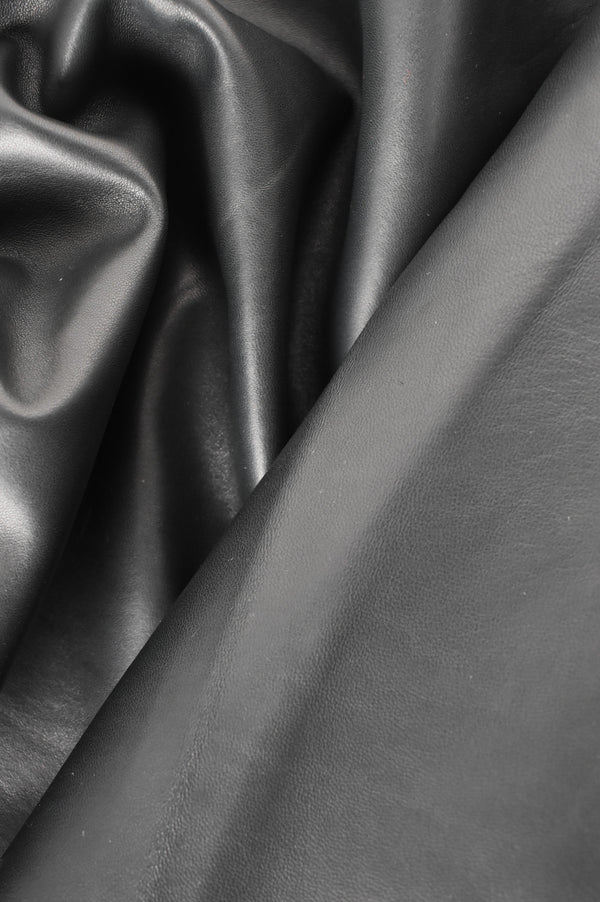
Bovine leather means tanned cattle hides: calf, young bull, cow, steer and bull. These are the most common hides in tanning because they are large, thick and strong; Britannica describes them as the main raw material for soles, uppers, belts and leather goods.
- Calf: young animal, fine and even grain, compact handle; the most prized for bags and footwear.
- Young bull and steer: larger, thicker hides, a good balance between fineness and strength.
- Cow and bull: thick, robust hides used for heavy leather, belts, saddlery and structured bags.
More in our guides to calfskin leather and cuoio vs pelle.


What is sheepskin (ovine leather)?
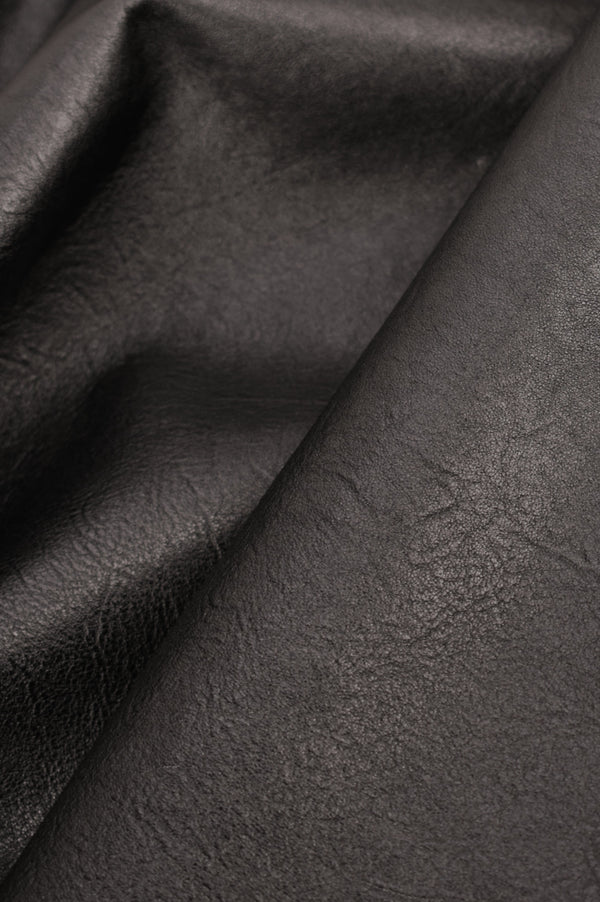
Ovine leather means sheep, ram and lamb skins. They are smaller and thinner than bovine hides, with a looser fibre structure: that is why they feel soft, light and drapey, ideal for anything that has to move with the body.
- Lamb: young animal, very thin and silky skin, the softest; the classic nappa of leather clothing.
- Sheep and ram: adult animals, slightly fuller skin with a more visible grain.
- Wool on: ovine skins tanned with the wool become shearling, for jackets and winter linings.
More in our guides to lambskin and sheepskin leather.
Cowhide vs sheepskin: the differences
| Feature | Cowhide | Sheepskin |
|---|---|---|
| Animals | Calf, young bull, cow, bull | Lamb, sheep, ram |
| Typical thickness | 0.8 to over 4 mm | 0.5 to 1.4 mm |
| Handle | Compact, soft to stiff | Soft, light, drapey |
| Grain | Fine in calf, bolder in adults | Fine in lamb, more visible in adults |
| Durability | High, resists abrasion and weight | Medium, more delicate |
| Hide size | Large, often sold as half hides | Small, whole skins |
| Typical uses | Bags, shoes, belts, saddlery | Clothing, gloves, linings, soft bags |
Cowhide or sheepskin: which to choose
- Structured bags, wallets, belts: cowhide, ideally calf or young bull.
- Shoes: cowhide for uppers and soles; sheepskin for linings and insoles.
- Jackets and clothing: sheepskin, lamb or sheep, for softness and drape.
- Gloves: sheepskin, almost always lamb.
- Soft bags and holdalls: either; sheepskin slouches more, cowhide holds its shape better.


Full grain, nappa, suede: common finishes
Bovine and ovine leathers can take the same main finishes. Full grain keeps the natural surface; nappa is a smooth, soft leather, typical of lamb but also of calf; suede is made by buffing the flesh side or the grain. Both also come printed, laminated, patent and drum-milled.
For surface quality, read our guide to full grain leather.
Where to buy deadstock cowhide and sheepskin
Zerow sells deadstock bovine and ovine leathers: surplus and end-of-run skins from Italian luxury houses and tanneries, already made and so needing no new production. Quantities are limited and variants are rarely repeated: once a skin is gone, it may not come back.
Leathers are sold by the skin, so you choose how many skins you need. Each product page shows the average m² per skin, the thickness and the other specifications. Businesses with a VAT number have dedicated terms, and samples are available to everyone.
Explore our calfskin, lambskin and sheepskin collections.
Cowhide vs sheepskin FAQs
What is ovine leather?
Tanned sheep, ram or lamb skin. It is soft, light and thin, and is used mainly for clothing, gloves and linings.
Is cowhide real leather?
Yes: it is tanned calf, cow, steer or bull hide, the most widely used leather in leather goods and footwear because of its strength.
Which lasts longer, cowhide or sheepskin?
Usually cowhide, because it is thicker and denser and resists abrasion and weight better. Sheepskin is more delicate but lasts well in garments with proper care.
Is sheepskin good quality leather?
Yes, it is a fine leather valued for softness and lightness. It is not suited to uses that need a lot of strength, such as soles or rigid bags, where cowhide is better.
Can I order a sample before buying?
Yes, samples are available to all Zerow customers, private and business, leathers included. It is the best way to judge handle, thickness and colour in person.


