

Sustainable Leather: An Eco-Friendly Choice for Fashion

Sustainable leather is now an essential choice for those who wish to combine artisanal quality with a concrete commitment to the environment in fashion. Responsible sources and enhanced by meticulous manufacturing processes, leather is a premium material that combines tradition and innovation, ideal for eco-responsible fashion projects. In this article, we will explore how sustainable leather, thanks to its circular origins and less impactful tanning techniques, can become the heart of long-lasting collections, with a focus on recovering high-quality deadstock.
Sustainable leather for eco-responsible fashion projects
When we talk about sustainable leather, we are referring to a raw material capable of combining artisanal quality and environmental responsibility. Animal-derived leather is, in every respect, one of the most durable and responsible materials available in fashion. First and foremost, because it is a byproduct of the food industry: it is not specifically produced, but recovered from what would otherwise become waste. This makes it, from the outset, a circular raw material. Furthermore, its durability, ability to age gracefully, and the ability to be repaired or regenerated make it an excellent choice for those who wish to reduce their environmental impact without sacrificing quality. Unlike many synthetic materials that are subject to rapid degradation, sustainable leather allows for the creation of long-lasting products, designed to last for years, reducing waste associated with disposable production and consumption. It is a noble raw material that, if chosen and processed with care, becomes the heart of truly eco-responsible fashion.
Another distinctive element that contributes to making sustainable leather is the type of tanning used to process it. Vegetable tanning, unlike chrome tanning—which uses metallic salts and chemicals that are difficult to dispose of and biodegrade—is an ancient technique that uses natural tannins extracted from bark, leaves, and fruit. This slower, more artisanal method not only drastically reduces environmental impact but also gives the leather unique characteristics: a natural scent, a warm and authentic feel, and the ability to age elegantly, creating unique shades and hues over time. Vegetable tanning is the preferred choice for those seeking sustainable leather that is natural, breathable, and free of toxic substances, ideal for projects involving high craftsmanship and conscious design.
Finally, talking about sustainable leather today also means promoting the recovery of deadstock leathers, that is, unused leftovers from large fashion houses or the luxury supply chain. These high-quality materials risk being discarded or destroyed if not reintroduced into the production cycle. Recovering them and transforming them into new creations means embracing a circular economy approach, reducing waste and giving new life to what already exists. Using sustainable leather from recovered stock is not just a technical or aesthetic choice, but a concrete act of environmental responsibility.

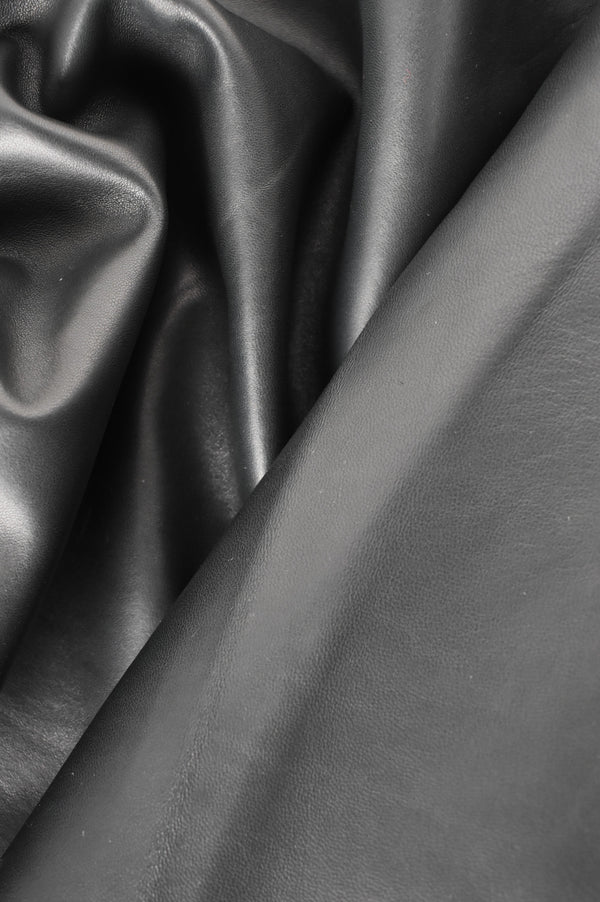
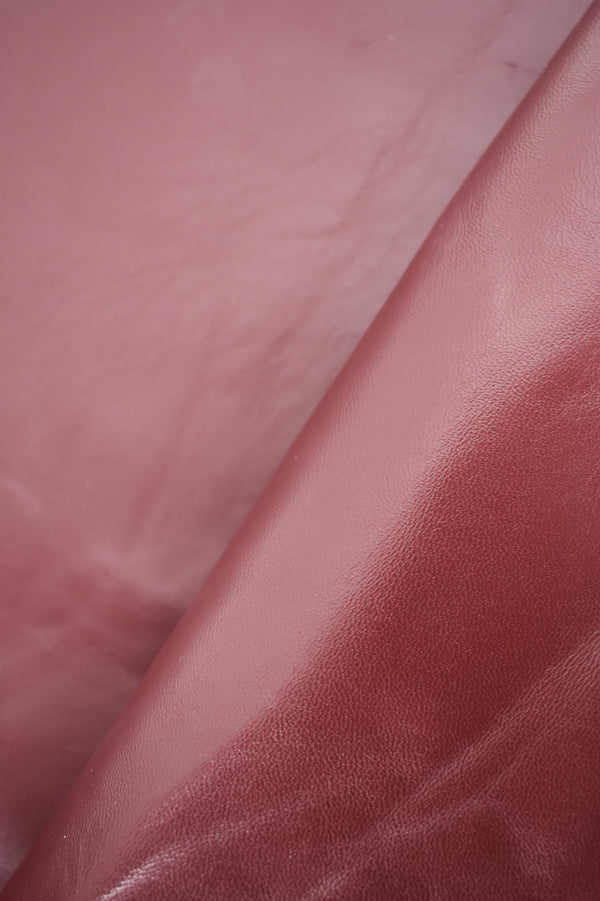


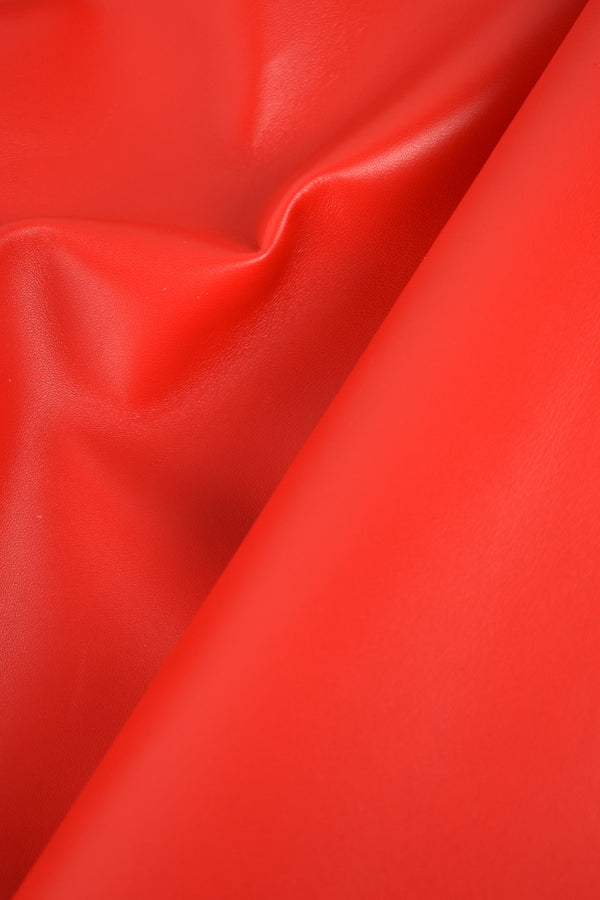
Benefits of sustainable leather for eco-friendly design
- Reduction of waste and environmental impact
- Access to the highest-quality materials at more advantageous costs
- Exclusivity and uniqueness of the collections
- Speed and flexibility in production
- Ethical Value and Product Storytelling
Choosing sustainable leather from unused stock means, first and foremost, making a concrete contribution to reducing waste. Deadstock leathers are materials that already exist, produced but never used, often destined for disposal or forgotten in warehouses. Recovering them prevents valuable resources from being lost, extending the material's life cycle and reducing the need for new production. Using sustainable leather of this type is a clear gesture towards environmental responsibility and represents one of the most effective circular economy practices applied to fashion.
Another key advantage of deadstock leathers is access to the highest-quality leather—often produced for major fashion houses—at more advantageous conditions. These materials, unused for commercial or logistical reasons, maintain extremely high standards of selection and processing. Purchasing them directly from the tannery would not only entail a significantly higher price, but also very high minimum orders, often beyond the reach of artisans, independent designers, or small businesses. Reclaimed sustainable leather, on the other hand, allows us to work with high-quality raw materials that would otherwise be economically inaccessible, without compromising on quality.
Deadstock leather also offers the opportunity to create truly unique collections. Each recovered stock has characteristics, colors, and limited quantities that are often non-replicable. This means working with exclusive materials, which add authenticity and originality to the final product. For brands that want to stand out, using sustainable leather means offering unique objects with a strong identity and an authentic narrative that makes them even more desirable.
From an operational standpoint, sustainable leather from ready-made stock guarantees speed and flexibility. There's no need to wait for tanneries' production times: the materials are immediately available and ready for use. This allows for the rapid development of capsule collections, samples, or limited editions, better adapting to market trends and customer needs. sustainable leather therefore offers a competitive advantage even in managing production times.
Finally, choosing sustainable leather means embracing and communicating an ethical value. More and more customers want to know the origin of materials and reward companies that demonstrate concern for the environment and resources. Using recycled leather allows you to tell a story consistent with the principles of the circular economy and conscious consumption, strengthening the brand's credibility and connection with an attentive and informed audience.
Ecological Performance of Sustainable Leather for Leather Goods
Leather is also an excellent material from an ecological perspective, particularly when considering both the both vegetable and the recovery of deadstock hides. It is important to emphasize that leather, being a by-product of the food industry, already has a sustainable base in terms of raw materials, regardless of the tanning method or final destination.
Key environmental aspects of sustainable leather
| Environmental parameter | Traditional leather (chrome) | Sustainable vegetable-based leather | Deadstock leather (recovered) |
|---|---|---|---|
| Origin of raw material | Food industry by-product | Food industry by-product | Food industry by-product, already produced and not used |
| Type of tanning | Chromium (high impact) | Vegetable (lower environmental impact) | Variable (chromium or vegetable) |
| Water consumption and energy | High | Reduced by 30-50% | Equal to zero (material already produced) |
| CO₂ emissions | High | Reduced | Minimal, linked only to logistics |
| Production of hazardous waste | Present | Minimal or absent | Absent (recovered material) |
| Supply time | Medium-high | Medium | Immediate (material in stock) |
Technical Considerations on Data Recovery Deadstock leathers in leather goods
Sustainable leather from deadstock, that is, leather produced but never used, represents a crucial element for environmental sustainability in leather goods. Since these materials have already been produced, their reuse avoids:
-
Additional consumption of natural resources (water, energy, chemicals)
-
Greenhouse gas emissions related to tanning and new production
-
Production of unnecessary waste from scraps or stocks unsold
The reuse of deadstock leathers therefore maximizes the efficiency of the resources used, maintaining the technical and aesthetic qualities of the material unchanged. These stocks often come from high-quality production, with fine finishes, and can be used to create high-quality leather goods with a significantly reduced environmental footprint.
Ecological impact of vegetable tanning in sustainable leather
Vegetable tanning, compared to chrome tanning, uses natural tannins extracted from plants and wood, presenting some technical and environmental differences, such as:
-
Absence of heavy metals: chrome tanning uses chromium (III) salts, which, although stabilized, can generate hazardous waste and require specific treatments; Vegetable tanning eliminates these risks.
-
Biodegradability: vegetable tanning residues are more biodegradable and have less environmental impact.
-
Water and energy consumption: generally lower in vegetable tanning, thanks to more natural processes and fewer chemicals.
These aspects make sustainable vegetable-tanned leather a relevant technical choice for those wishing to minimize the environmental impact of leather goods production.
For further information on the difference between chrome and vegetable tanning, please read this article.
Circular economy and traceability of leather Sustainable
Integrating deadstock leather into the supply chain enables the development of highly traceable, circular production models. Reusing existing stock reduces the demand for new leather and limits waste. Furthermore, many manufacturers implement digital traceability systems to certify the provenance and sustainability of the sustainable leather used, increasing transparency for customers and stakeholders.
Buy sustainable leather online for responsible fashion projects for designers and fashion brands
Buying sustainable leather online has become the most efficient and strategic way for designers, artisans, and fashion brands looking to integrate responsible, quality materials into their projects. Online sales allow you to explore a wide range of fine leathers, optimizing procurement times and costs.
Zerow, a platform specializing in the sale of sustainable leather, offers exclusively recovered and traceable leathers, ideal for those seeking eco-friendly and innovative design. Thanks to Zerow, you can access a vast catalog of leathers of different types, thicknesses, and finishes, all accompanied by detailed technical data sheets and selected to guarantee the highest quality and sustainability, thus supporting a truly responsible fashion style that is attentive to environmental impact. Purchasing sustainable leather with Zerow means making a conscious choice, aligned with the values of an evolving market, where transparency and ethics are an integral part of the creative process.
Buy sustainable leather.


