






Nappa Leather: What It Is, Types, Thickness and Uses
A guide to nappa leather: how it is made, lamb, goat and calf types, which thickness to choose, pros and cons, how it compares with other leathers and care.

Nappa leather is a full-grain leather tanned and finished to be especially soft and smooth. It is mostly made from lamb, goat and calf. Its softness makes it the go-to leather for jackets and garments, gloves, soft bags and quality linings.
This guide is for leather goods makers, garment workshops, designers and brands. It explains how nappa is made, which types exist and which thickness suits each job. It also compares nappa with other leathers, covers care, and shows what you will find among Zerow's deadstock leathers.
What is nappa leather?
Nappa is a full-grain leather, which means it keeps the natural top layer of the hide. It is tanned to be soft and supple. Chrome tanning is the usual method, because it gives light, flexible hides. The leather is then drum-dyed right through and lightly finished, so the surface stays smooth and natural.
The name comes from the town of Napa in California. A tannery there developed this soft leather for gloves and garments in the late nineteenth century. Today the term is not regulated, so always check the animal, thickness and finish on the product page.
Types of nappa leather
Lamb nappa is the softest and lightest. It is the classic choice for garments and gloves. Goat nappa has a slightly more visible grain and good strength, which also makes it ideal for linings and small leather goods. On calf, the finish is often called nappa calf. It is more structured but still soft, and it suits bags and shoes.


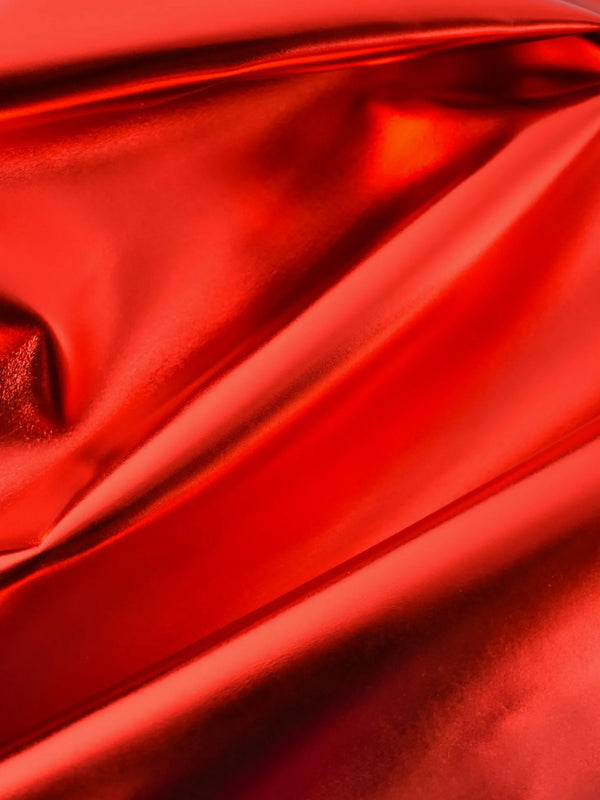


There are also special finishes. Rubberised nappa, for example, has a slightly rubbery feel and resists water better. It is made for garments and accessories with a technical look.


Which thickness to choose
| Approximate thickness | Typical use |
|---|---|
| 0.5–0.8 mm | Linings, gloves, light garments |
| 0.8–1.0 mm | Jackets, trousers, skirts |
| 1.0–1.4 mm | Soft bags, small leather goods, shoe uppers |
These are rough guidelines, because the animal and the tannage matter too. Still, they help narrow the choice. The exact thickness of each hide is always on the product page.
Nappa leather: pros and cons
| Pros | Cons |
|---|---|
| Soft, full handle | Scratches more easily than corrected-grain leather |
| Light and supple, moves with the body | Natural finishes absorb stains and water |
| Smooth, natural surface | Too soft for rigid bags |
| Ages well with use | Needs a little care |
Nappa and other leathers
Compared with a firmer smooth calf, nappa is softer and drapes more. That makes it better for garments than for structured bags. Suede shows the velvety side of the hide instead of the smooth one, as our guide to chamois vs suede explains. For a textured surface, see the finishes in our guide to embossed and tumbled leather.
Working and care
Sew nappa with leather needles and a fairly open stitch. On thin hides every hole stays visible, and a stitch that is too tight can tear. In garments, reinforce stressed seams such as shoulders and pockets with tape.
For care, dust with a soft cloth and condition the leather from time to time. Test any product on a hidden spot first. Blot stains straight away without rubbing. Store garments on wide hangers, away from heat and direct light.
Where to buy deadstock nappa leather
Zerow sells deadstock leathers. These are surplus and end-of-run skins from Italian luxury houses and tanneries, so no new production is needed. Quantities are limited and individual variants are rarely repeated. Once a skin is sold, it may not come back.
Leathers are sold by the skin, so you choose how many skins you need. Each product page shows the average m² per skin, the thickness and the other specifications. Businesses with a VAT number have dedicated terms. Samples are available to everyone.
Nappa leather: frequently asked questions
What is nappa leather?
It is a full-grain leather tanned to be very soft and smooth. It comes mostly from lamb, goat and calf and is used for garments, gloves, soft bags and linings.
Where does the name nappa come from?
From the town of Napa in California. A tannery there developed this soft leather in the late nineteenth century.
Is nappa real leather?
Yes, it is full-grain animal leather. The term is not regulated, though, so check the animal, thickness and tannage on the product page.
What is the difference between nappa and smooth calf?
Nappa is softer and drapes more, so it suits garments and soft accessories. Smooth calf is firmer and better for structured bags and shoes.
How do you clean nappa leather?
Dust it with a soft cloth and blot stains straight away without rubbing. Condition it now and then, testing the product on a hidden spot first.
Can I order a sample before buying?
Yes. Samples are available to all Zerow customers, private and business, and that includes leathers. A sample is the best way to judge handle, colour and thickness in person.


