






Cady fabric: what it is, types and how to sew it
What cady fabric is: properties, types (silk, viscose, synthetic, stretch), summer or winter, cady vs crepe and marocain, and how to sew it.

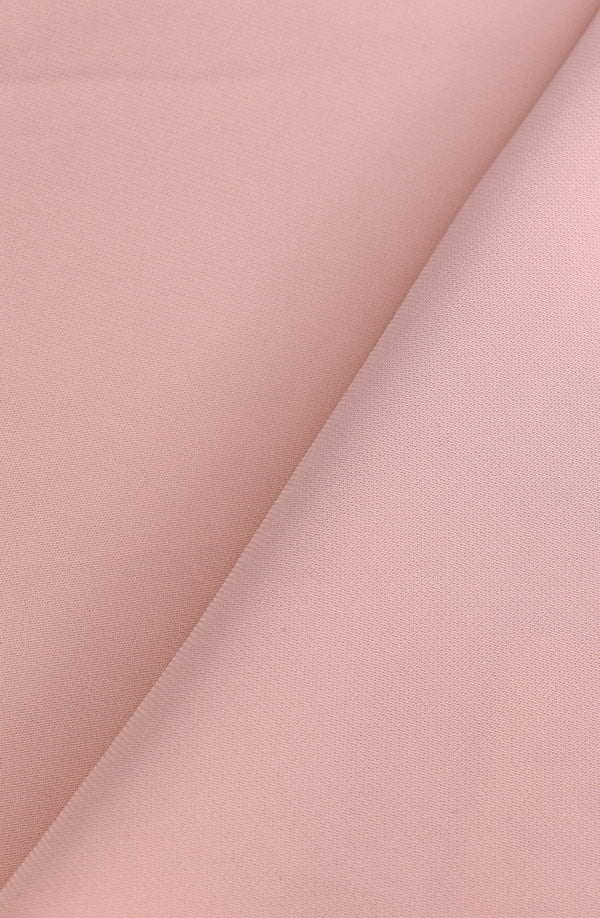
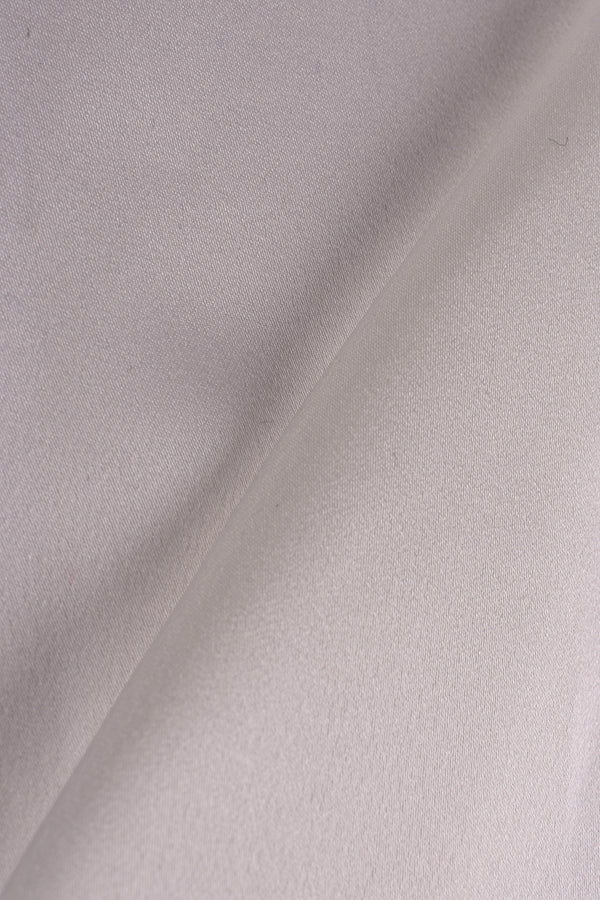
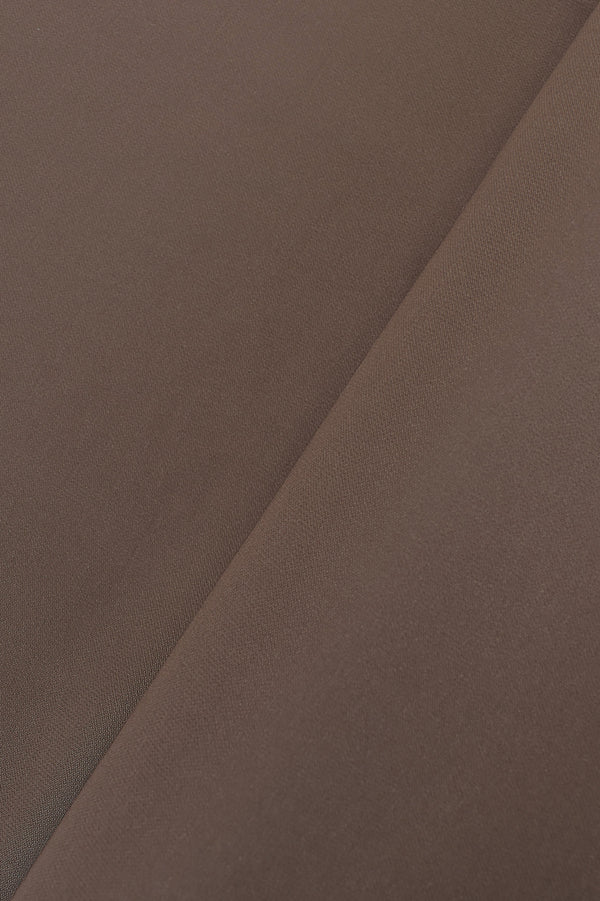
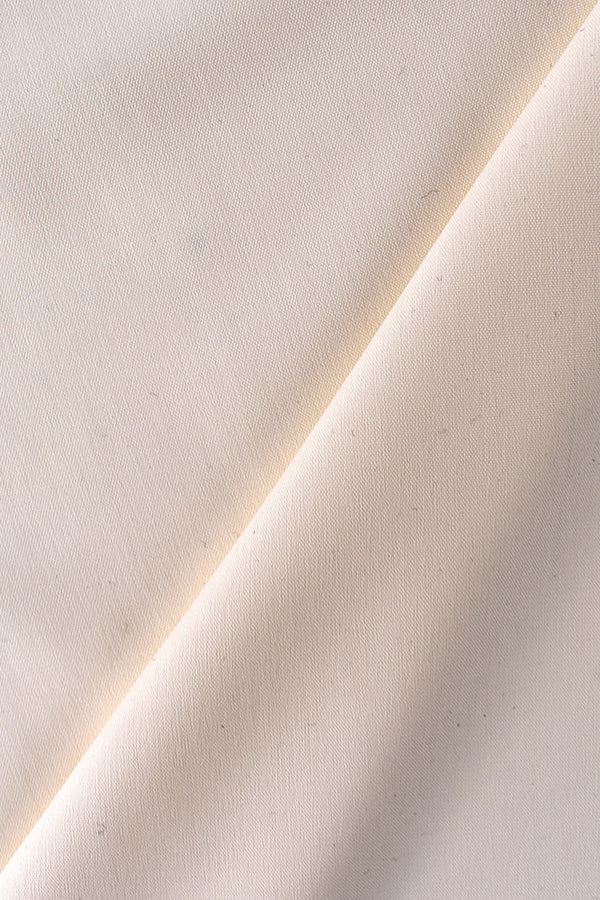
Cady fabric is a heavy member of the crepe family: dense, matte, soft yet full-bodied, often with a little stretch. It drapes well and skims the body, which makes it a favourite for bridal and occasion wear, tailored trousers and suits. It comes in silk, viscose, acetate and synthetic fibres.
This guide is for tailors, designers and brands. It covers what cady is, its properties, the main types, whether it suits summer or winter, how it differs from crepe and marocain, how to sew it and where to find it among Zerow's deadstock fabrics, surplus from Italian luxury houses and mills.
What is cady fabric?
Cady is a heavy crepe. Like every crepe, it is woven from highly twisted yarns that contract during finishing, giving the surface a fine grain and a soft drape. It is denser and thicker than light crepes, though. Threads Magazine describes it as having the look and hand of a multi-ply crepe: matte, stable and with a hint of stretch.
The name is used mainly in Italy and France, and it is closely tied to luxury fashion: many houses use it for clean-lined dresses and trousers.
Properties of cady
- A matte surface with a barely visible grain.
- Full body: it holds its shape and skims rather than clings.
- A soft drape, suited to draping and fluid lines.
- Often slightly stretchy, thanks to the twisted yarn or added elastane.
- Opaque, even in pale colours.
Types of cady
| Type | Character | Typical uses |
|---|---|---|
| Silk cady | The finest: heavy, matte, very soft | Bridal and evening gowns |
| Viscose and acetate cady | Fluid, cool, with a subtle glow | Dresses, blouses, trousers |
| Synthetic cady | Hard-wearing, easy care, creases little | Trousers, suits, uniforms |
| Stretch cady | With elastane, follows the body | Slim trousers, sheath dresses |
| Marocain | Crepe with a more visible wavy rib | Dresses and blouses with movement |





Is cady a summer or winter fabric?
Cady is a transitional fabric you can wear most of the year. Viscose, acetate and silk versions are cool enough for spring and summer, especially for occasion wear; synthetic cady breathes less and suits cooler seasons. In deep winter it works well lined or under a coat. For the hottest days, lighter cloths are a better choice, such as those in our guide to viscose fabric.
Cady vs crepe vs marocain
| Fabric | Construction | Look | Weight |
|---|---|---|---|
| Crepe | A family of fabrics woven with crepe-twist yarns | Grainy surface, from subtle to marked | Sheer to heavy |
| Cady | A dense, compact crepe | Matte, fine grain, lots of body | Medium to heavy |
| Marocain | A crepe with a heavier weft | Visible wavy rib, more movement | Medium |
If you need more sheen, the alternative is satin: read our guide to satin fabric.
What cady is used for
- Bridal and occasion dresses, especially minimalist designs.
- Evening gowns, sheath dresses and draped dresses.
- Tailored and wide-leg trousers: see our guide to trouser fabric.
- Suits, soft jackets and skirts.
- Clean-lined blouses and tops.
Sewing and pressing cady
- Test on a scrap first: washing, pressing and seams behave differently in silk, viscose and synthetic cady.
- Cut all pieces in the same direction, as the grain can catch the light differently.
- Use a fine, sharp needle (microtex 70/10 or 80/12) and a medium stitch; on stretch cady, a slightly elastic stitch.
- Stabilise necklines and armholes with tape or light interfacing, as the fabric tends to stretch out.
- Press with a warm iron, on the wrong side and with a cloth: heavy steam can shrink or pucker the twisted yarns.


Buying deadstock cady fabric
Zerow sells deadstock cady: surplus and end-of-run cloth from Italian luxury houses and mills, already made and so needing no new production. For makers, that means couture-grade quality in limited, often unrepeatable quantities. Once a roll is gone, that cady may not come back.
Fabrics are sold by the full roll. There is also a selection of fabrics cut to length, usually from a minimum of 10 metres: the details of each fabric, including how it is sold, are on the product page. Businesses with a VAT number have dedicated terms, and samples are available to everyone.
Our cady fabric collection includes silk, viscose and acetate, synthetic and stretch cady, plus marocain. For fibres and weaves, read our guide to the types of fabric.
Cady fabric FAQs
Does cady wrinkle?
Not much: the twisted yarn and the body of the cloth help it stay neat. Synthetic versions crease less than silk and viscose.
Is cady stretchy?
Often slightly, thanks to the twisted yarn. Stretch versions contain elastane and have more give: the composition is on the product page.
Is cady see-through?
No, it is usually opaque even in pale colours, which is one reason it is used for bridal gowns and trousers.
Cady or crepe for an occasion dress?
Cady has more body and gives a clean, structured line; a lighter crepe such as georgette is more fluid and suits wide draping and soft sleeves.
Can I order a sample before buying?
Yes, samples are available to all Zerow customers, private and business. It is the best way to judge handle, weight and drape before ordering by the roll or cut to length.


