






Trouser Fabric: The Best Fabrics for Every Style and Season
A guide to trouser fabric: which fabrics to choose for every style and season, and what to check on the technical sheet.

The best trouser fabric depends on two things: the style you want to make and the season it will be worn in. Tailored trousers need a compact cloth that holds a crease, such as tropical wool or gabardine; chinos and jeans call for sturdy cotton twill and denim; wide-leg, fluid trousers need crêpe or viscose.
This guide is written for tailors, designers and brands who make trousers. For each style you will find the most suitable trouser fabric types, what to check on a technical sheet and the selections available on Zerow: deadstock fabrics from the surplus of Italian luxury houses and mills.
What is the best fabric for trousers?
There is no single best fabric for trousers: there is the right one for each style. This table sums up the main trouser fabric types and what each one is for.
| Fabric | Typical fibre | Season | Best for |
|---|---|---|---|
| Tropical wool | Wool, sometimes with polyester and elastane | Spring, summer, transitional | Office and suit trousers |
| Gabardine | Wool or cotton | All year | Tailored trousers, uniforms |
| Flannel | Woollen-spun wool or cotton | Autumn, winter | Winter tailored trousers |
| Twill | Cotton or blends | All year | Chinos, casual trousers |
| Denim | Cotton | All year | Jeans, workwear |
| Corduroy and velvet | Cotton or blends | Autumn, winter | Casual winter trousers |
| Crêpe | Wool, silk, viscose or polyester | All year | Palazzo, fluid and evening trousers |
| Linen | Linen or linen and cotton | Summer | Relaxed summer trousers |
For an overview of fibres, weaves and fabric names, read our guide to the types of fabric.
Fabrics for tailored and formal trousers
Tailored trousers should hang straight, hold a crease and not bag at the knee. That is why the right cloth is almost always a compact woven fabric, very often wool.
Tropical wool
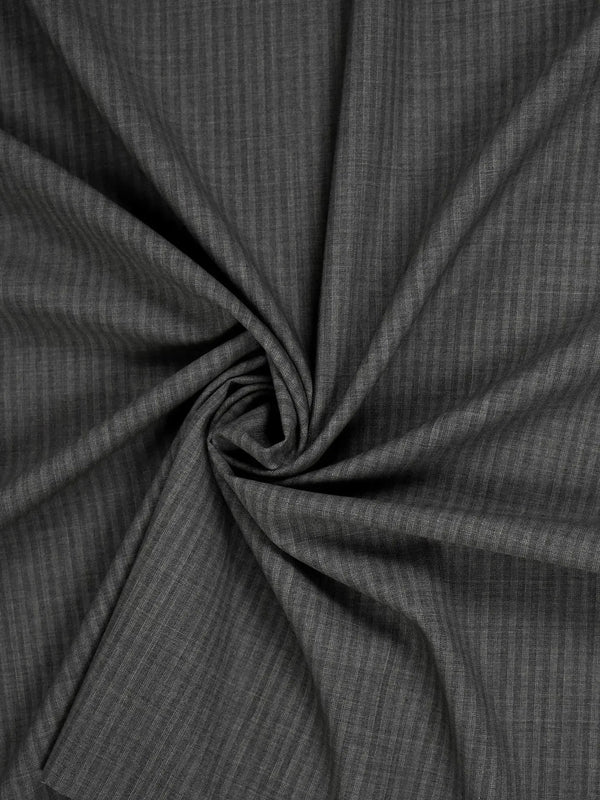
Tropical wool is light, breathable and creases little thanks to its high-twist yarns and open weave. It is the classic choice for office and suit trousers in warm and transitional seasons. Versions with a little elastane add comfort in movement.
Gabardine
Gabardine is a tightly woven twill with a pronounced diagonal: compact, hard-wearing and able to keep a sharp crease. In wool it suits formal trousers; in cotton, more practical styles. More in our guide to gabardine.
Flannel
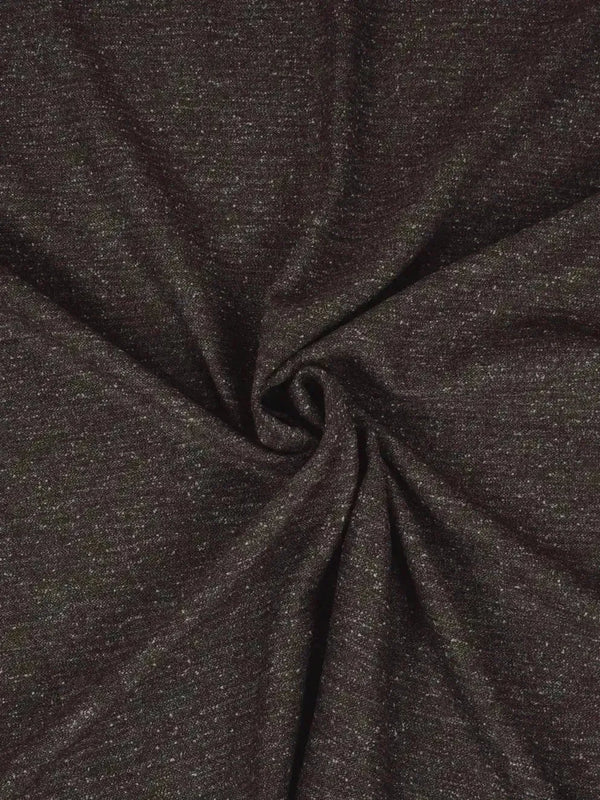
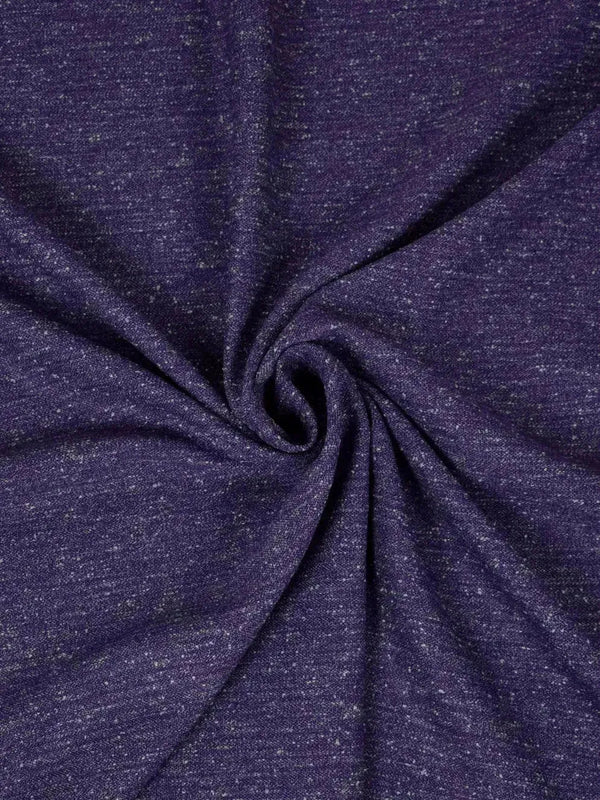
Flannel has a lightly brushed, soft and warm surface: it is the cloth of winter tailored trousers. It holds a crease less well than gabardine, but has a full handle and a soft drape. Read our guide to flannel.




Fabrics for casual trousers
For everyday trousers, what matters is durability, easy care and a pleasant handle. Cotton takes the lead here, in sturdy weaves.
Cotton twill and chinos
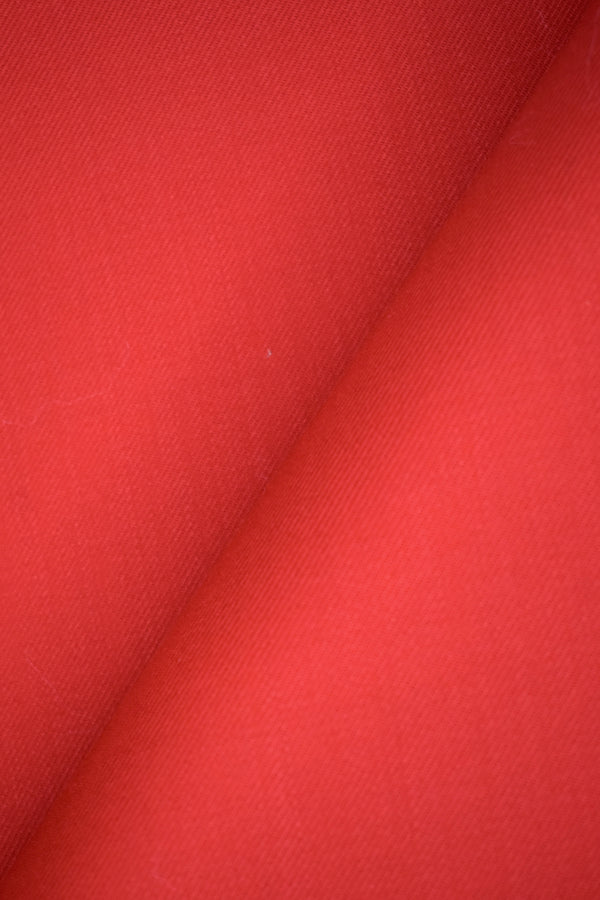
Cotton twill is the base of the chino: a visible diagonal, good strength and a softer drape than plain weave. It also works for work and cargo trousers. See our guide to twill fabric.
Denim
Denim is a cotton twill with a dyed warp, born as a workwear fabric. It comes in very different weights: lighter for summer jeans, heavier and stiffer for winter and workwear. More in our guide to denim.
Corduroy and velvet
Corduroy and velvet bring warmth and a rich look to casual winter trousers. Cut every piece in the same direction of the pile, because the colour looks different when the pile runs the other way.
Fluid fabrics for wide-leg and evening trousers
Palazzo, wide-leg and evening trousers need a fabric that flows and follows movement. Crêpe, with its grainy surface, drapes beautifully and does not cling. Viscose is soft and cool, ideal for summer styles; find out more in our guide to viscose. Silk is the most luxurious choice for evening trousers.
With these fabrics, plan for a lining or a design that does not rely on a sharp crease: their strength is softness.
Summer and winter trouser fabric
The season mainly changes the weight and the fibre.
| Season | Recommended fabrics | Why |
|---|---|---|
| Summer | Lightweight tropical wool, linen, light cotton, viscose | Breathable, let air through |
| Transitional | Gabardine, twill, tropical wool | Medium weight, versatile |
| Winter | Flannel, corduroy, heavy wool gabardine, heavy denim | More body, better insulation |
Linen is wonderfully cool but creases a lot: for summer office trousers that stay neat, tropical wool is often the more practical choice.
Stretch trouser fabric: when to add elastane
A small percentage of elastane makes trousers more comfortable and helps them recover their shape after sitting. It is useful for slim styles, slim chinos and trousers worn all day. Classic tailored trousers can do without it, or need only a minimal amount for comfort without changing the drape.
Stretch fabrics need a little care in the workroom: stitches suited to stretch, cutting that allows for elongation and a pattern designed for a fabric that gives.


Trouser fabric weight and what else to check
Weight is the first thing to read on a technical sheet: it decides how the trousers hang and in which season they work. Then check the rest, and feel a sample whenever you can.
| What to check | What it tells you | How to choose |
|---|---|---|
| Weight | How heavy the fabric is | Light for summer, medium for all year, heavy for winter |
| Weave | How the yarns interlace | Twill and gabardine for strength, plain weave for freshness, crêpe for fluidity |
| Drape | How the fabric falls on the body | Crisp for tailored styles, soft for wide legs |
| Stretch | How much it gives and recovers | With elastane for slim styles, rigid for classics |
| Crease retention | Whether a pressed crease lasts | Essential for suit trousers |
| Width | The width of the roll | Affects the metres you need: a wider fabric needs fewer |
Where to buy deadstock trouser fabric
Zerow sells deadstock fabrics: surplus and end-of-run stock from Italian luxury houses and mills, already made and so requiring no new production. For makers, that means couture-grade quality in limited, often unrepeatable quantities: once a roll is gone, that fabric may not come back.
Fabrics are sold by the full roll. There is also a selection of fabrics cut to length, usually from a minimum of 10 metres: the details of each fabric, including how it is sold, are shown on the product page. Businesses with a VAT number have dedicated terms, and samples are available to everyone.
Trouser fabric: frequently asked questions
What is the best fabric for formal trousers?
Tropical wool for spring and summer, wool gabardine all year round and flannel for winter. They are compact, drape well and hold a crease.
What is the best fabric for summer trousers?
Lightweight tropical wool, linen, light cotton and viscose are the coolest. Linen breathes best but creases a lot; tropical wool stays neater and is ideal for the office.
What is the difference between twill and gabardine?
Gabardine is a type of twill: both have the diagonal of the twill weave, but gabardine is more tightly woven, with a steeper diagonal and a compact surface. That is why it holds a crease better and suits formal trousers, while cotton twill is more casual.
Which trouser fabric creases the least?
Tropical wool and wool gabardine crease little and recover well. Blends with some polyester also resist creasing. Linen and light cotton crease the most.
Do trousers need stretch fabric?
Not always. Elastane helps in slim styles and trousers worn all day, adding comfort and shape recovery. Classic tailored trousers can do without it or use only a minimal amount.
Can I order a sample before buying?
Yes, samples are available to all Zerow customers, private and business. It is the best way to judge handle, drape, colour and weight before ordering by the roll or cut to length.


