








Bi-Elastic Fabrics: Comfort and Performance for Fashion and Sports

Two-way stretch fabrics offer bidirectional stretch and adaptability, making them ideal for tailors, design studios, and fashion brands. Perfect for garments that require precision fit and freedom of movement, they are suitable for a variety of applications, from casual wear to activewear and technical garments. In this article, we'll explore the types, technical characteristics, advantages, and purchasing tips for two-way stretch fabrics, helping professionals choose the most suitable material for their projects.
What are Two-Way Stretch Fabrics: Types and Applications
Two-way stretch fabrics are high-performance materials ideal for fashion professionals, tailors, designers, and brands seeking versatile, high-quality solutions. The main feature of a two-way stretch fabric is the ability to stretch both the warp and weft, offering multidirectional elasticity. This differentiates them from simply elastic fabrics, which stretch in only one direction, ensuring greater freedom of movement and an optimal fit without compromising the garment's shape over time.
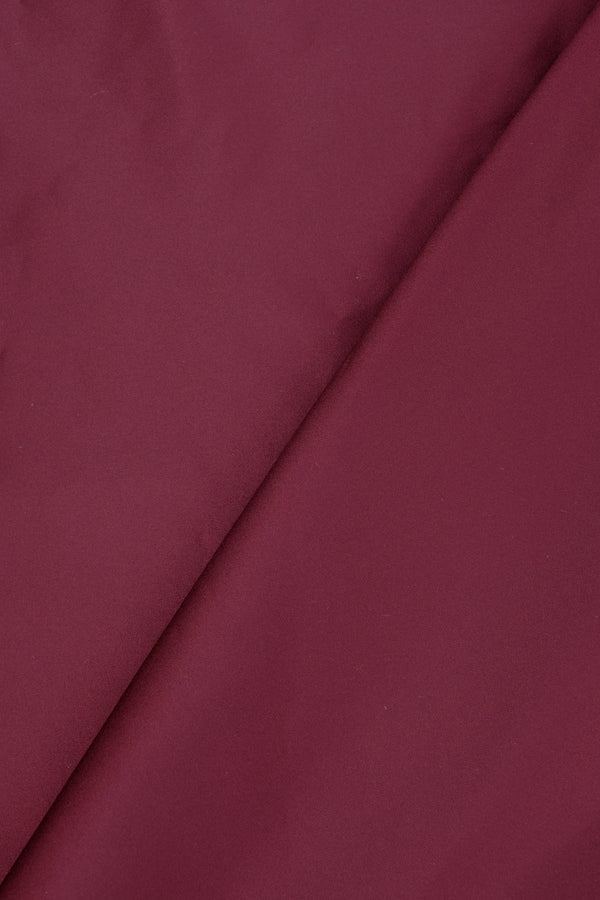
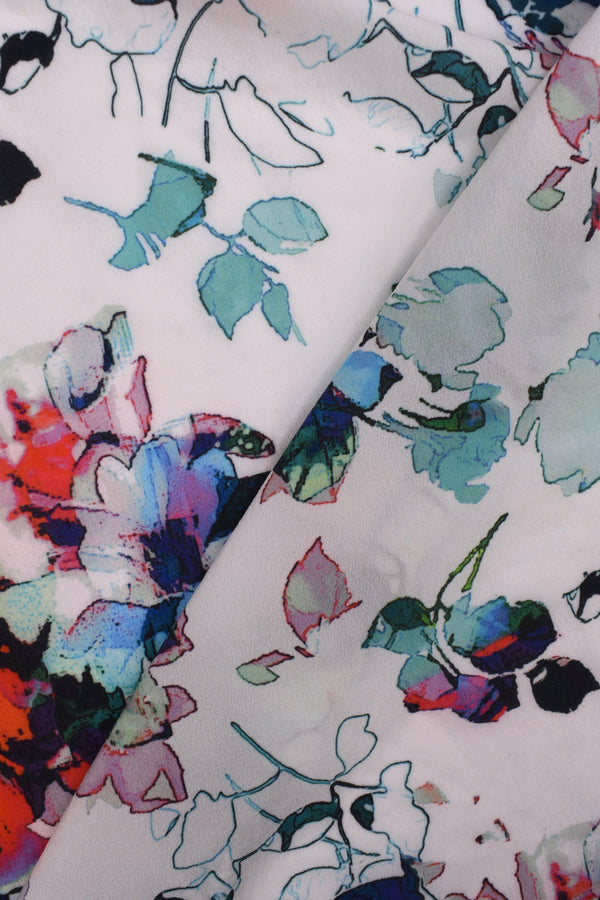
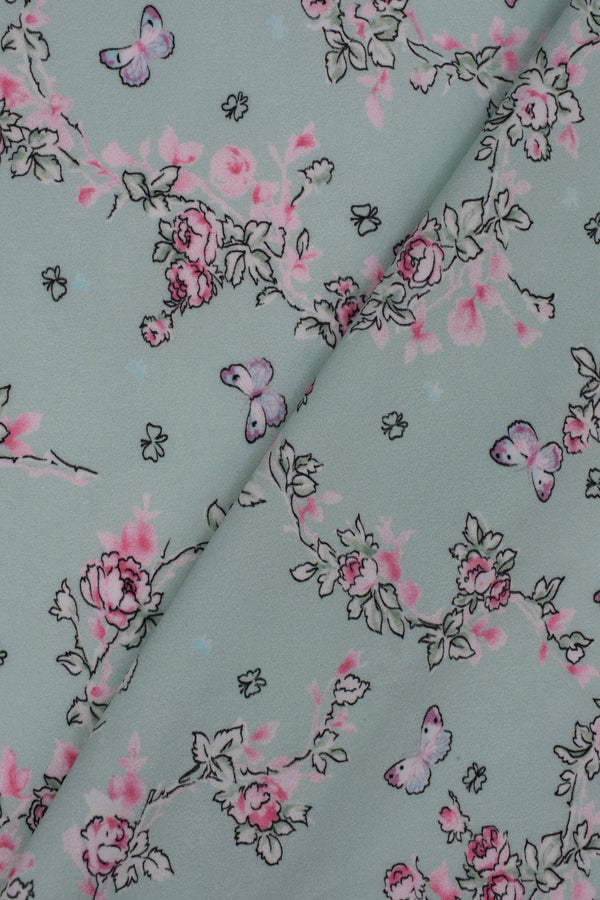
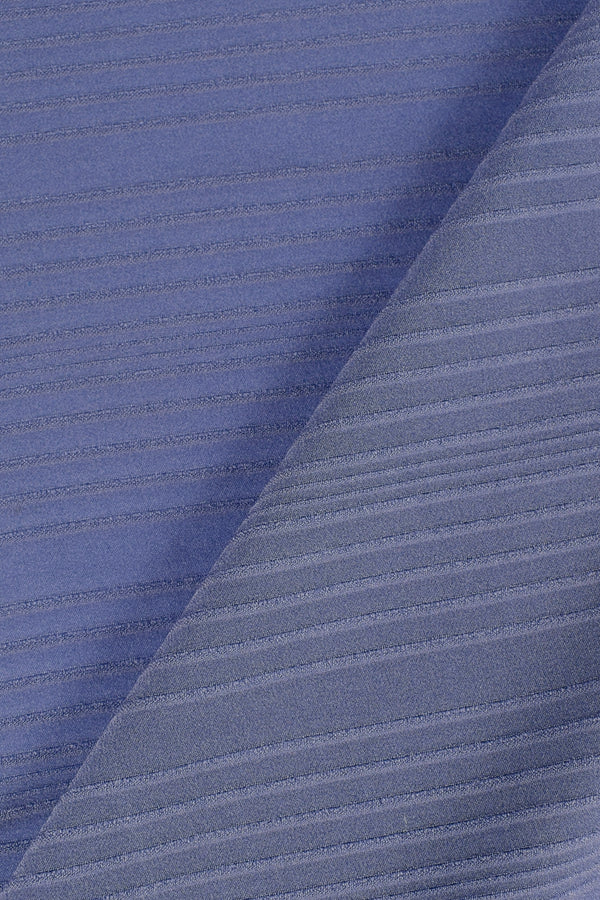
The variety of two-way stretch fabrics available allows you to choose materials suitable for multiple applications. Among the most popular options are two-way stretch jerseys, soft and comfortable, ideal for everyday wear or casual garments. For more technical needs, two-way stretch Lycra fabrics offer high elastic performance and superior durability, making them perfect for activewear, swimwear, and sportswear. There are also materials like two-way stretch mesh, used for breathable inserts and innovative designs, combining lightness and support.
Choosing the right two-way stretch fabric must consider several factors: the fiber composition (natural, synthetic, or blended), the percentage of elasticity, and the intended use of the garment. This focus allows professionals to create products that combine aesthetics, functionality, and durability, ensuring garments that maintain their shape and comfort even after repeated use.
What are the Advantages of Bi-Elastic Fabrics for Fashion and Professional Clothing?
-
Freedom of Movement
-
Body Adaptability
-
Durability and shape retention
-
Comfort and fit
-
Versatility of use
Freedom of movement is one of the main advantages offered by two-way stretch fabrics. Thanks to their two-way stretch, these materials allow garments to follow the body's movements without restriction, making them ideal for sportswear, activewear, and fashion items that require mobility and flexibility.
Adaptness to the body is another distinctive feature of these materials. Easily molding to the silhouette, they ensure a uniform fit and enhance the shape of garments. For designers and tailors, this means being able to create products that maintain elegance and precision in fit without sacrificing freedom of movement.
Durability and shape retention are essential for professionals looking for reliable materials. Two-way stretch fabrics resist wear and maintain their elasticity even after numerous washes and uses, reducing deformation and sagging over time. This makes them ideal for garments intended for frequent use or high-quality fashion collections.
Comfort and fit are key aspects when working with a two-way stretch fabric. The material's ability to adapt to the body without constricting or restricting ensures a feeling of softness and well-being, essential for everyday wear and garments that must guarantee long-lasting comfort.
Finally, their versatility makes two-way stretch fabrics a strategic choice for artisans, designers, and brands. They can be used in casual wear, activewear, tailored suits, or technical inserts, offering the possibility of creating different collections without having to change the base material, optimizing production times and costs.
Technical Characteristics of Bi-Elastic Fabrics: Composition, Elasticity, and Applications
Bi-Elastic fabrics are advanced technical materials, ideal for fashion industry professionals. Tailors and brands seeking high-performance and versatile solutions. Their composition and technical properties make them suitable for a wide range of applications, from sportswear to high fashion.
Fibrous Composition
The composition of two-way stretch fabrics varies based on the intended use and desired characteristics. Typically, these fabrics combine natural or synthetic fibers with elastomers to achieve the necessary stretch. The most common combinations include:
| Fiber Combination | Features | Main Applications |
|---|---|---|
| Cotton + Elastane | Comfort and breathability | Casual wear, underwear |
| Polyester + Elastane | Strength and durability | Technical garments, activewear |
| Nylon + Elastane | Lightweight and durable Abrasion-resistant | Technical clothing, outdoor |
The percentage of elastic fiber, such as elastane or spandex, generally varies from 2% to 10%, directly affecting elasticity and fit.
Elasticity and Recovery
The elasticity of two-way stretch fabrics is one of their distinctive features. These fabrics can stretch up to 30-50% of their original length, depending on the composition and percentage of elastic fiber. Elastic recovery, or the ability of the fabric to return to its original shape after stretching, is generally greater than 90%, ensuring garments that retain their shape even after numerous uses and washes.
Weight and Density
The weight of two-way stretch fabrics varies depending on the final application:
| Fabric Type | Weight (g/m²) | Applications |
|---|---|---|
| Lightweight | 130-160 | Summer clothing, sportswear, underwear |
| Medium | 160-200 | Everyday wear, activewear |
| Heavyweight | >200 | Technical clothing, outdoor wear, structured garments |
Durability and Breathability
Bi-stretch fabrics are designed to resist abrasion, tearing, and deformation, maintaining their technical and aesthetic characteristics over time.
-
Ideal for garments intended for intensive use.
-
Combination of synthetic and natural fibers with elastomers.
-
Good breathability despite the elastic fibers
Professional Applications
| Sector | Fabric Use |
|---|---|
| Fashion and Haute Couture | Fitted and Structured Garments |
| Tailoring/Atelier | Adaptable and Comfortable Tailored Suits |
| Technical Clothing Brand | Performance Garments with Aesthetics and functionality |
| Sportswear | Freedom of movement and comfort |
For further information on fabric stretch, see this article.


How to Choose and Buy Two-Way Stretch Fabrics for Professionals
To purchase two-way stretch fabrics, it's important to evaluate the fabric's composition, elasticity, and weight to choose the most suitable material for your professional project. Designers, tailors, and brands should prefer suppliers who offer detailed technical data sheets and transparency regarding fabric characteristics.
Zerow offers a selection of high-quality two-way stretch fabrics sourced from major Italian luxury brands, available in full rolls, with complete technical data sheets and dedicated support for professionals. Thanks to the online platform, you can purchase reliable, ready-to-use materials, ideal for creating precise and long-lasting garments.


