










Shirt Fabrics: Which Are the Best for Your Shirts?

Choosing the right shirt fabrics is essential for creating shirts that combine aesthetics, comfort, and durability. In this article, you'll discover the main weaves and technical characteristics to consider, along with practical tips for choosing only the best for your creations.
What Are Shirt Fabrics and How to Choose Them?
When it comes to shirting fabrics , for a professional, the choice is never a casual one: each material influences the fit, stylistic impact, and durability of the finished product. A shirt requires a stable, breathable fabric that maintains its shape and structure even after repeated wear. This is why natural fibers, particularly long-staple cotton, continue to be the industry standard, while linen, silk, and technical blends find their way into more specific needs.
The most commonly used types include poplin, twill, oxford, chambray, and pinpoint, each with a distinct handle, drape, and visual impact. Poplin , for example, offers a clean, elegant look, ideal for formal shirts; twill provides greater durability and a slightly oblique texture; oxford is perfect for more casual yet structured garments.
To make an informed choice of shirting fabrics , it's helpful to consider the weave, yarn fineness, weight, and intended use of the garment. A designer will look for precision in the hand and uniformity of the weave, a craftsman will prefer materials that are easy to work with, while a brand will focus on consistent quality and batch availability. The choice always begins with the shirt's function and the experience you want to offer the end customer.
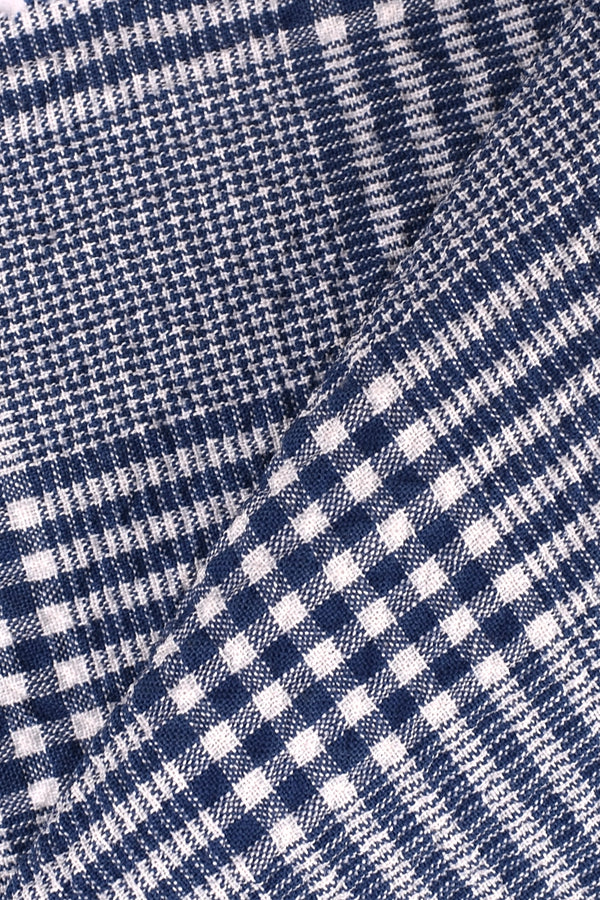
What are the main weaves of shirting fabrics?
-
Poplin
-
Twill
-
Oxford
-
Chambray
- Linen fabric
- Flannel
Poplin is among the most popular weaves for shirting fabrics because it offers a compact, uniform surface that feels slightly cool to the touch. For professionals, it's ideal when a clean finish, a stable hand, and a structure that retains its shape even after many hours of wear are required. Its regularity facilitates cutting and sewing, making it an excellent choice for formal shirts and structured collars.
Twill is recognized for its diagonal weave, which provides greater strength and a softer drape than poplin. It's a versatile weave, perfect for work or office shirts where comfort and durability are key. It allows for precise stitching and good stitch stability during sewing, characteristics highly appreciated by artisans and tailors.
Oxford, with its heavier, more textured finish, is designed for casual yet refined garments. Its basket weave adds three-dimensionality and superior comfort, especially for everyday wear. It's ideal for button-down shirts and garments that need to combine strength and breathability, a balance sought by many brands.
Chambray, often confused with denim, is much lighter and suitable for spring and summer collections. Its structure allows for soft, easy-to-work shirts with a melange hue that adds aesthetic value. For those purchasing lots for capsule or seasonal collections, this weave offers an excellent balance between style and functionality in shirting fabrics .
Linen is an ideal option for summer shirts thanks to its natural breathability and freshness. In shirting fabrics , linen offers a slightly irregular handle and a distinctive texture that enhances casual-chic or more relaxed styles. While it requires careful tailoring to avoid excessive creasing, professionals appreciate the comfort and aesthetic appeal that only this natural fabric can provide.
Finally, flannel is a perfect choice for warmer winter garments or overshirts. It's a twill -weave fabric, with a fulling process that creates a slightly hairy, velvety surface. Cotton or wool flannel offers a soft yet dense hand, ideal for casual shirts, tartan checks, or more structured versions of overshirts.
What are the main technical characteristics of shirt fabrics?
Grammage and Weight
Weight is one of the fundamental parameters of shirting fabrics , as it determines their resistance, drape, and feel. For lightweight summer shirts, the ideal weight ranges between 100 and 130 g/m², while for more structured or winter shirts, it can go up to 180 g/m².
| Type of Shirt | Approximate weight (g/m²) | Notes for the professional |
|---|---|---|
| Light summer | 100-130 | Fresh, breathable, easy to work with |
| Formal office | 130-160 | Retains shape, wash resistant |
| Casual/robust | 160-180 | More stable, ideal for oxford or twill |
Finishes and Treatments
When working with shirt fabrics , the finishes and treatments applied to the material are crucial to the final result of the garment. It's not just about aesthetics: these technical interventions improve the fabric's handling during manufacturing, increase the garment's lifespan, and simplify maintenance for the end user.
Key finishes to consider include:
-
Easy-iron or anti-crease → reduces ironing time and keeps the shirt neater after washing
-
Mercerization → increases the shine, color uniformity and mechanical resistance of the fabric
-
Reactive dyeing → brighter, longer-lasting colors that are less prone to fading
-
Water-repellent or stain-resistant treatments → additional protection, ideal for professional or everyday casual shirts
Dimensional Stability
Another crucial technical aspect in shirting fabrics is dimensional stability, that is, the ability of the fabric to maintain its shape and size after repeated cutting, sewing, and washing.
The main indicators for assessing stability are:
-
Longitudinal and transverse shrinkage (%) → measures how much the fabric shrinks after washing
-
Elongation and resilience → tests the ability of the fabric to return to its original shape after stress
-
Uniformity of weave and stitches → ensures that the shirt maintains symmetry and uniform drape


Where to Buy Shirt Fabrics Online
Purchasing shirting fabrics online offers many advantages for professionals such as artisans, designers, tailors, and fashion brands. You can quickly compare types, weights, and finishes, choose precise quantities, and have fabrics delivered directly to your door, saving time and streamlining batch management. Furthermore, access to materials that aren't always available locally expands your creative and production possibilities.
On Zerow, purchasing shirting fabrics online is simple and reliable. The catalog is extensive and constantly updated, with materials selected from the best suppliers and sustainable production methods. Each fabric is described with detailed descriptions, helping you make informed choices, while dedicated customer support offers technical advice and information on available lots.
Choosing Zerow therefore means combining convenience, quality and professional advice.


