








Wool Fabrics: Elegance, Comfort, and Versatility for Every Season

Wool fabrics have always been a point of reference for those working in the fashion and textile industries. Their versatility, combined with unique technical characteristics, makes them ideal for creating tailored garments, accessories, and high-end collections. In this article, we'll explore the different types of wool, the properties that make them particularly high-performance, and how to choose the fabric best suited to your professional needs.
Wool Fabrics: Discover the Different Types and Variants
Wool fabrics are an irreplaceable choice for those working in the world of fashion and textile design. Thanks to their natural versatility, these materials lend themselves to creations ranging from high-end tailored suits to luxury casual wear, always offering a perfect balance between elegance and functionality. Each type of wool brings unique characteristics, allowing professionals to select the ideal fabric for every creative project.
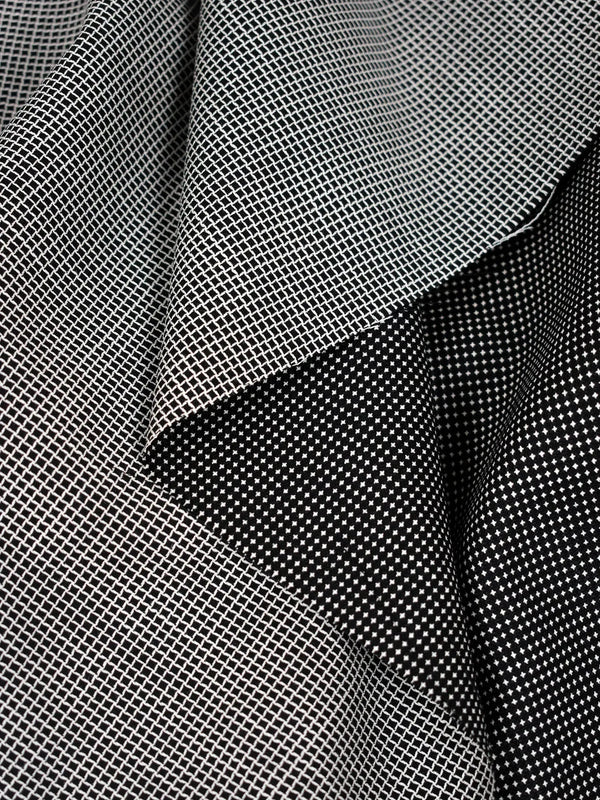
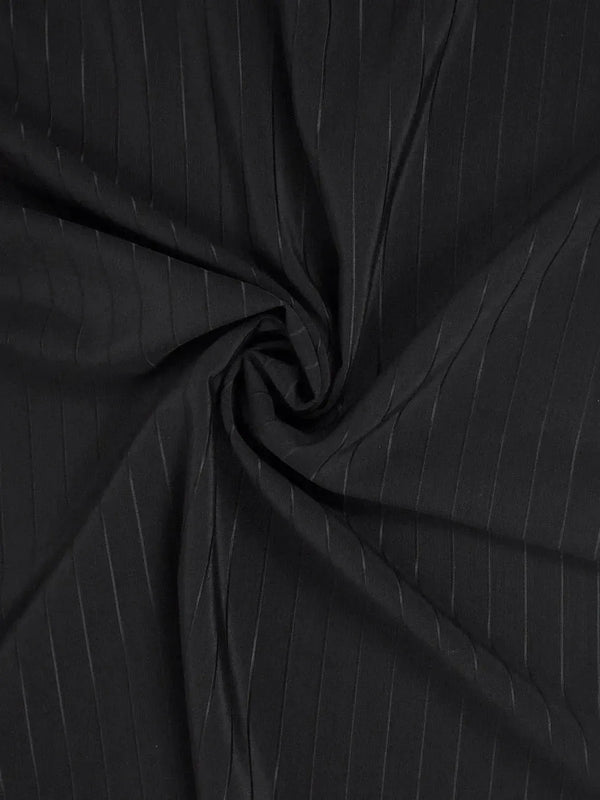
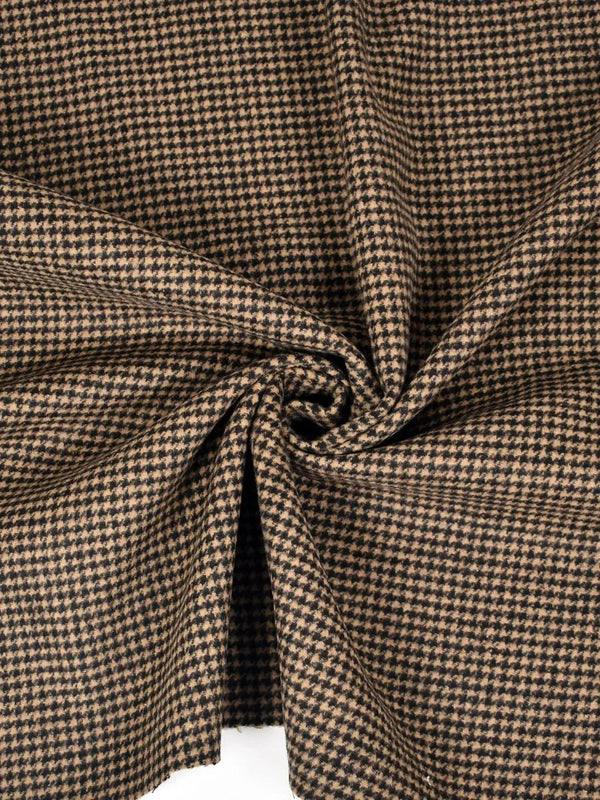
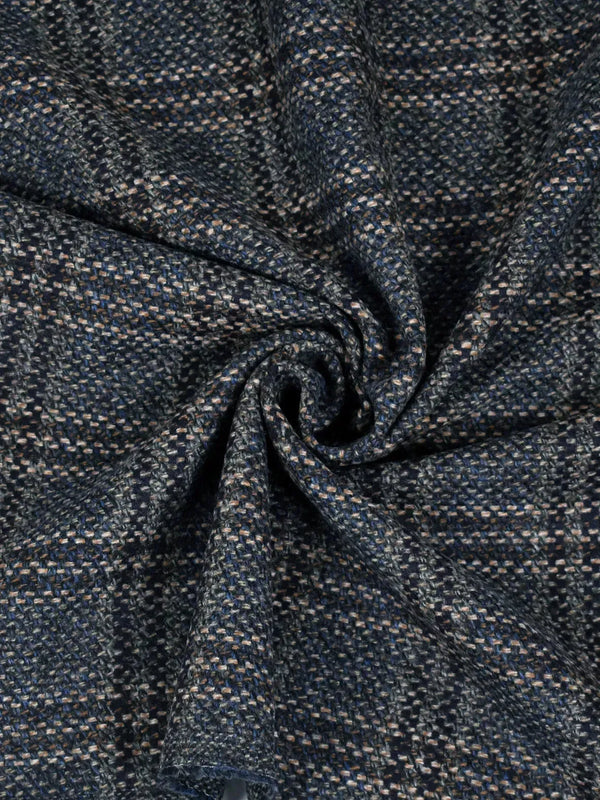
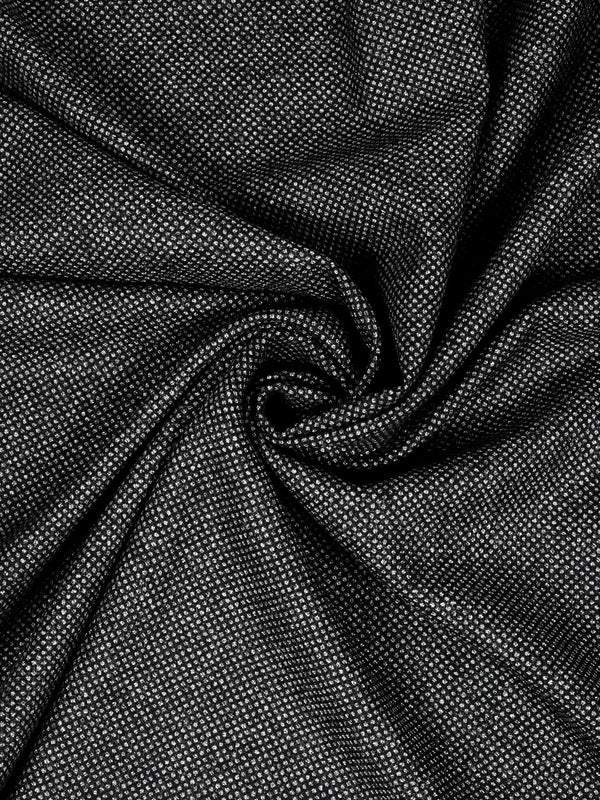
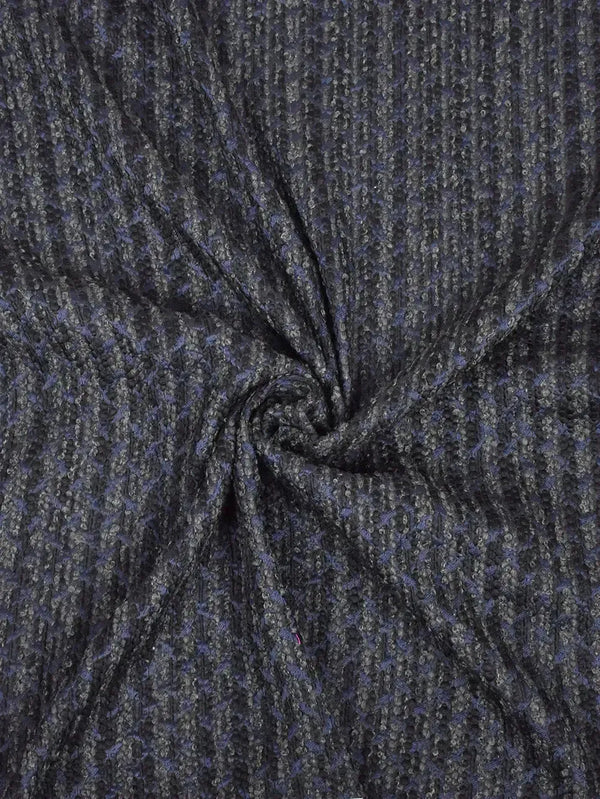
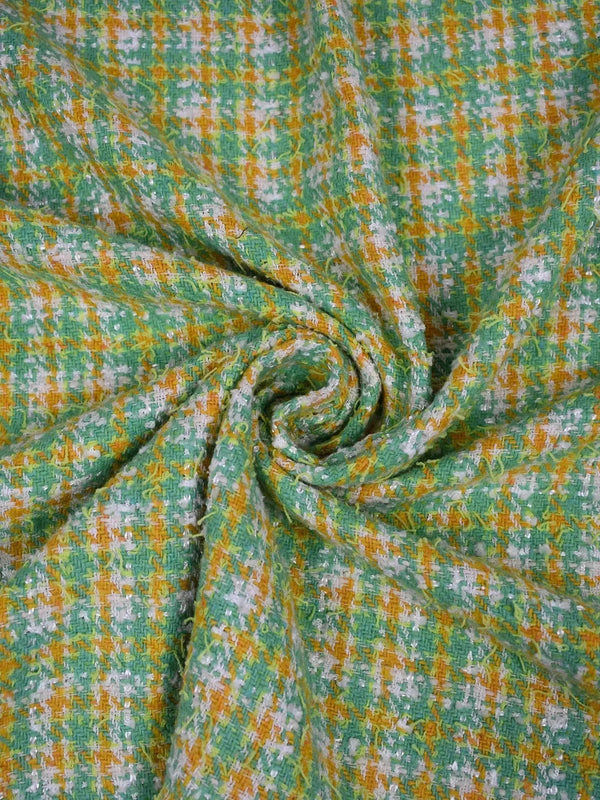
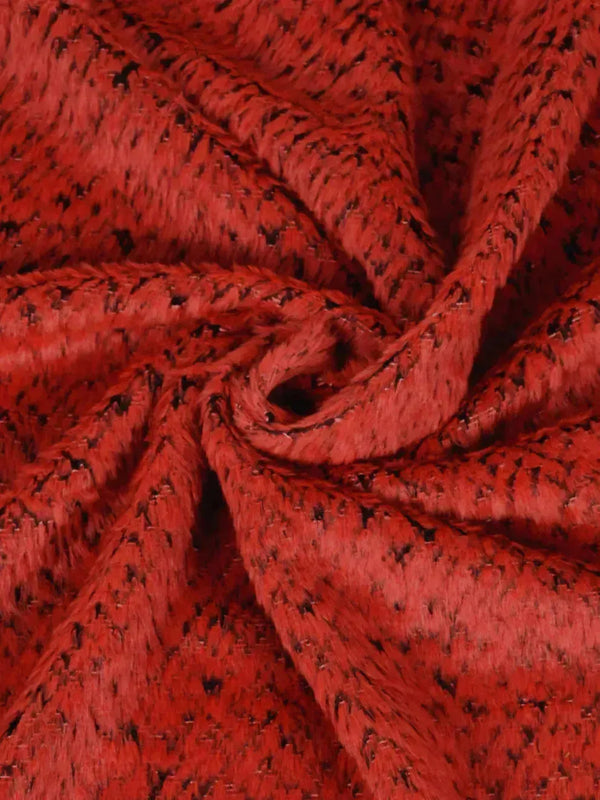
Within the family of wool fabrics, we find varieties such as merino wool, prized for its softness and lightness; boiled wool, more structured and ideal for coats and blazers; cashmere, a symbol of luxury and refinement; and cool wool, lightweight and breathable, perfect for summer dresses or garments designed for warmer climates. Each type offers specific properties that influence the drape, resistance, and thermal capacity of the finished garment, making fabric selection a strategic decision for quality-conscious tailors and fashion brands.
Choosing the right wool fabrics means enhancing every detail of the finished product. Their natural elasticity and ability to adapt to different processes allows designers and artisans to create garments that combine comfort and durability. Investing in quality materials not only enhances the aesthetics of collections but also guarantees high performance during use, becoming a true ally in the creation of exclusive and distinctive garments.
Why Choose Wool Fabrics: The Benefits for Clothing and Accessories
-
Warmth and thermoregulation
-
Softness and comfort to the touch
-
Strength and durability
-
Breathability and moisture management
-
Elegance and aesthetic versatility
Wool fabrics are renowned for their extraordinary ability to provide natural warmth while maintaining perfect thermoregulation. This means that wool garments maintain an ideal temperature, offering comfort both in winter and during milder seasons, a crucial advantage for clothing and accessories intended for discerning customers.
The softness of wool fabrics makes them immediately pleasant to the touch, lending garments a sense of luxury and quality. Designers and tailors can leverage this characteristic to create products that convey comfort and refinement, increasing the perceived value of their collections.
Another strength of wool fabrics is their durability. These materials withstand daily wear and tear, retaining their shape and structure over time, making them ideal for garments intended for frequent use, such as coats, blazers, and tailored jackets.
Wool is naturally breathable and helps manage moisture, an important advantage for those who create high-quality technical or tailored clothing. Wool fabrics allow the body to breathe without losing heat, preventing the sensation of humidity and improving the overall comfort of the garment.
Finally, wool fabrics offer elegance and aesthetic versatility. Available in various finishes, weights, and types, they allow for the creation of sophisticated collections suitable for multiple contexts, from formal fashion to luxury accessories, offering artisans and brands precious tools to express creativity and style.
Technical Characteristics of Wool Fabrics: Strength and Comfort
Technical Properties of Wool Fabrics Wool
Wool fabrics offer a unique combination of durability and comfort, thanks to the intrinsic characteristics of natural fibers. Below is an overview of their main technical properties:
1. Elasticity and Resistance to Deformation
-
Natural elasticity: Wool fibers have a spiral structure that allows them to stretch and return to their original shape, giving garments greater resistance to deformation than other materials.
-
Wear resistance: wool fabrics can withstand up to 20,000 folds without breaking, unlike cotton, which breaks after about 3,000 folds.
2. Moisture Wicking Capacity
-
High Absorption: Wool can absorb up to 35% of its own weight in moisture without feeling wet, keeping you feeling dry.
-
Moisture Management: fabrics made of Wool slowly releases absorbed moisture, helping maintain thermal comfort even in high-perspiration conditions.
3. Breathability and Thermoregulation
-
Natural breathability: The structure of wool fibers allows for excellent ventilation, facilitating body temperature regulation.
-
Thermoregulation: wool fabrics keep the body warm in cold environments and Cool in warm environments, thanks to their ability to adapt to temperature changes.
4. Dust Resistance and Hypoallergenic Properties
-
Wool's ability to absorb moisture prevents the accumulation of dust and lint, keeping garments cleaner over time. Furthermore, wool fabrics are less susceptible to the growth of bacteria and mites, reducing the risk of allergic reactions compared to other materials.
5. Durability and Maintenance
-
Superior Durability: Wool fabrics are known for their long-lasting durability, resisting daily wear and retaining their shape and appearance over time.
-
Easy Maintenance: Thanks to the natural properties of wool, wool garments They require less frequent washing and may be easier to maintain than other materials.
Comparison Table: Main Characteristics by Type of Wool
| Wool Type | Weight / Weight | Elasticity | Thermoregulation | Softness | Durability | Recommended use |
|---|---|---|---|---|---|---|
| Merino wool | 180–220 g/m² | High | Excellent | Very tall | Medium-high | Tailored suits, fine knitwear |
| Cashmere | 150–200 g/m² | Media | Good | Extreme | Media | Knitwear by luxury, accessories |
| Lana Cotta | 250–400 g/m² | Medium-low | Good | Media | High | Coats, blazers, structured clothing |
| Fresco Lana | 120–180 g/m² | High | High | Medium-high | Medium | Summer dresses, light jackets |
For further information on the technical characteristics of wool fabrics, we recommend consulting the Official Woolmark Guide on the properties of wool fiber. wool.


Where to Buy Quality Wool Fabrics for Professionals Fashion
Purchasing quality wool fabrics is easier than ever thanks to online platforms dedicated to fashion professionals. Among the most reliable platforms, Zerow stands out for its exclusive selection of wool fabrics, with products sourced from the best Italian fashion houses and weavers. Each item is described in technical detail, with information on weight, fiber type, and finish, allowing for an informed and precise choice.
Thanks to the extensive catalog, professionals can explore different wool qualities and styles, easily find the most suitable fabric for every project, and access high-end materials supported by specialized technical assistance.


