








How to Recognize and Make the Best Use of Silk Fabrics

Silk fabrics have always been a benchmark for quality, elegance, and versatility in the fashion world. This guide explores what makes silk unique, the different variations available, and the technical characteristics every artisan, designer, and brand should know before choosing the right fabric for their projects.
Silk Fabric Guide: What Is Silk and Its Variants in Textiles?
Silk is one of the world's oldest and most prized fabrics, prized for its natural luster, softness, and lightness. Silk fabrics are primarily derived from silkworm cocoons, which are spun into fine, durable threads. Thanks to these characteristics, silk is used for both luxury apparel and home accessories and textiles.
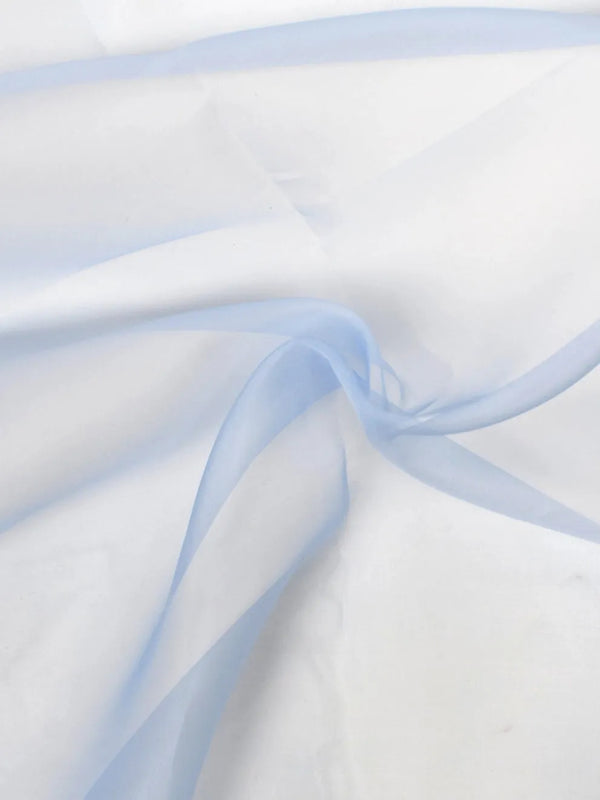
There are several different types of silk fabrics , each with specific properties and uses. Silk satin is smooth and lustrous, perfect for elegant dresses. Silk chiffon is light and transparent, ideal for scarves and blouses.
Raw silk, more rustic, is often used for decorative fabrics or casual garments. Other variations include habotai silk, soft and fine, and taffeta, stiffer and more structured, suitable for formal wear.
Knowing the different types of silk fabrics allows you to choose the most suitable material based on the project and the desired effect.


Why Choose Silk Fabrics: All the Benefits
-
Elegance and natural shine
-
Comfort and breathability
-
Durability and resistance
-
Versatility in use
-
Perceived value and appeal for the end customer
The natural sheen and elegance of silk fabrics make them instantly recognizable and appreciated in any context. For artisans and designers, this characteristic allows them to create garments and accessories that convey quality and sophistication without the need for additional treatments, reducing finishing times and costs.
The comfort and breathability of silk fabrics make them ideal for garments that come into direct contact with the skin, such as dresses, shirts, and lingerie. For tailors and fashion brands, this means offering products that combine aesthetics and practicality, increasing end-customer satisfaction.
Despite their perceived delicacy, quality silk fabrics are durable and resistant. They can withstand daily use and repeated washings with proper care, ensuring garments retain their shape, shine, and softness over time.
The versatility of silk fabrics allows them to be used in a variety of products, from elegant clothing to accessories like scarves, bags, and interior upholstery. This makes silk a strategic choice for professionals looking to experiment and expand their product range.
Finally, the perceived value of silk fabrics is very high. Brands and tailors can position their products as premium, increasing their appeal to end customers willing to invest in quality, aesthetics, and a unique tactile sensation.
What are the technical characteristics of silk fabrics?
Silk fabrics are made from natural protein fibers, specifically fibroin, obtained from the cocoon of the silkworm, Bombyx mori, or from wild species. This particular composition gives the fabrics unique properties: for example, the fiber's cross-section is triangular, which enhances light reflection and gives it its characteristic shine.
| Characteristic | Value/Note | Implications for professional use |
|---|---|---|
| Tensile strength | High for natural fiber, but decreases to ~20% when wet. | It is important to check the finishing and washing conditions if you produce washable garments. |
| Elasticity / recovery | Moderate; if stressed too much the fibre can deform. | Design of seams and cuts must take this limitation into account. |
| Breathability / thermal regulation | Good: it keeps you cool in summer and warm in winter. | Excellent for premium fashion lines or garments that require high comfort. |
| Moisture absorption | About 11% (moisture recovery) and good hygroscopicity. | Useful on garments close to the body, but consider professional drying. |
| Sensitivity to UV rays & light | High: Silk fabrics may degrade or fade if exposed directly to strong light. | For accessories, upholstery and interior applications, consider protectors or linings. |
Other relevant technical aspects
-
Surface finish and hand : The smooth and regular fiber gives a soft touch and an elegant drape to the fabrics.
-
Fabric density and weight : For professionals, it is essential to consider grams per square meter and weave (yarns per m²) to predict the final use (garment, lining, accessory).
-
Dimensional stability : Silk fabrics may shrink or change shape slightly if not pre-washed or treated properly.
-
Technical maintenance : these fibres require delicate treatments (dry or hand washing, low temperatures) and attention to contact with bleaching agents or exposure to light.
For artisans, tailors and brands that select silk fabrics , understanding these technical characteristics means being able to:
-
evaluate the appropriate weight and texture based on the garment or product (e.g. evening dress vs. light shirt);
-
allow for finishing/lining times and costs if the fabric requires UV protection or anti-shrinkage treatment;
-
correctly set up maintenance and communication to the end customer (washing instructions, special care) to preserve the value of the product.
For a more detailed technical explanation, you can consult this document .


How to Choose and Buy Silk Fabrics Online Without Mistakes
Purchasing silk fabrics online is convenient and quick, but requires attention to technical and practical details, especially for professionals such as artisans, designers, tailors, and fashion brands. It's important to check the type of silk, weight per square meter, roll width, and any finishes indicated on the product sheet.
Checking high-resolution images and, if available, fabric samples helps evaluate color, sheen, and actual handfeel. For professionals, requesting technical data sheets or quality certifications can ensure consistency across their products.
Zerow offers an extensive catalog of silk fabrics selected for their quality and origin, with a wide selection of types, finishes, and colors. Each roll is accompanied by detailed information on the fabric type, composition, weight, roll width, and treatment. The e-commerce site allows you to easily explore the available options and receive materials directly in your lab or showroom, simplifying order management and production planning.


