








Tulle Fabric: How to Choose and Use It for Your Creative Projects

Tulle is one of the most iconic and versatile materials in the world of fashion and professional tailoring, thanks to its lightness and ability to create dramatic volumes without weighing down garments. Understanding the types, fibers used, and its structural characteristics is the first step in choosing the most suitable tulle for every creative and production need.
What is Tulle and What Types Are There?
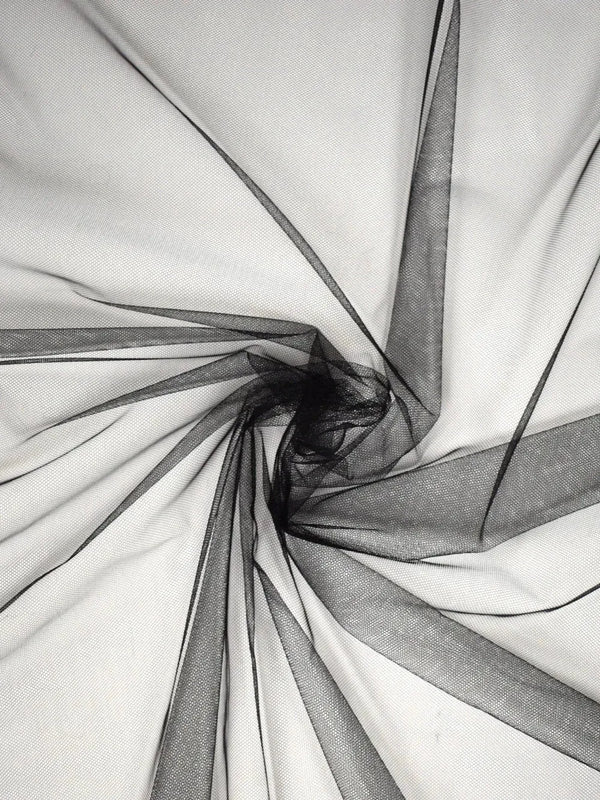
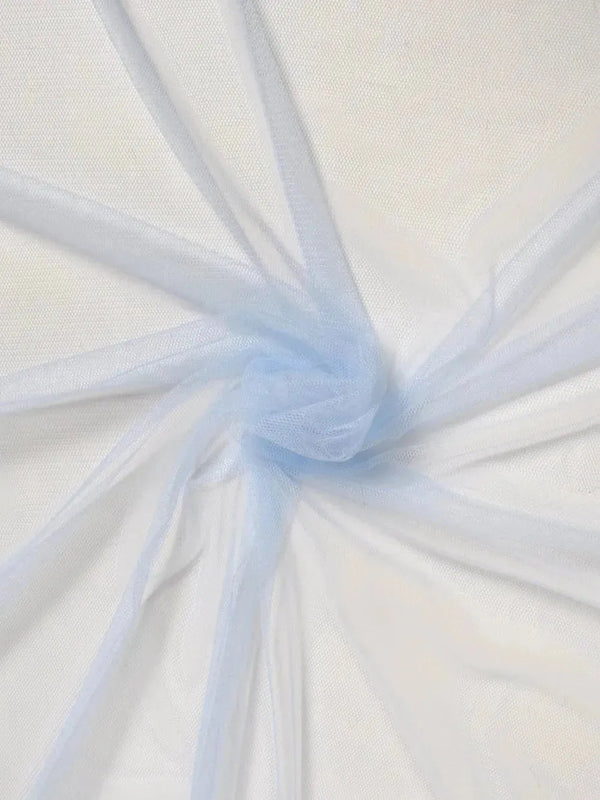
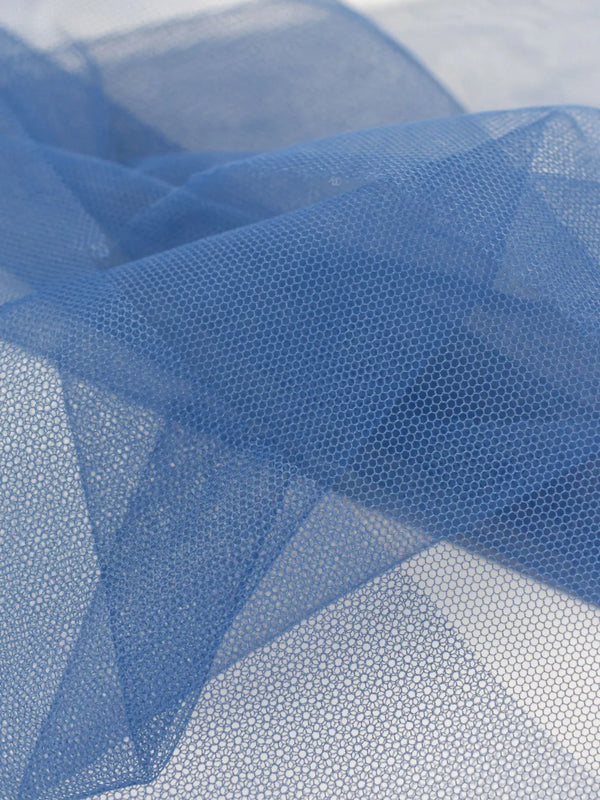
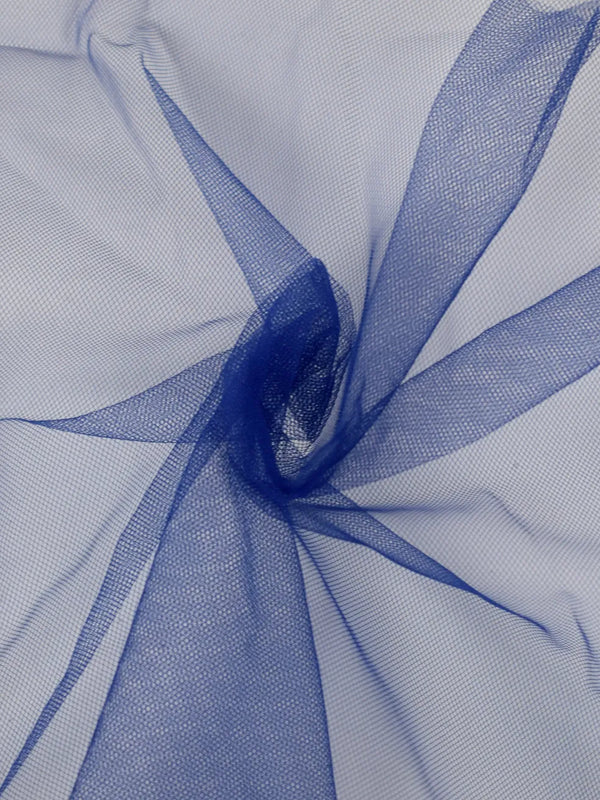
Tulle fabric is a lightweight, transparent material with a very fine mesh structure. It's widely used in fashion, formal wear, accessories, and decorations due to its ability to create volume without weighing you down. Its lightness makes it ideal for skirts, veils, wedding dresses, and stage details, as well as for creative decorations at events and parties.
Tulle fabric can be made with different fibers, which significantly influence yield, softness and final use:
-
Nylon tulle : This is the most popular due to its durability, stable structure, and shape retention. It has a slightly shiny appearance and is often chosen for voluminous skirts and decorative projects.
-
Polyester tulle : more affordable and highly versatile, it's durable and available in a wide range of colors. It has a medium stiffness and is ideal for clothing and accessories.
-
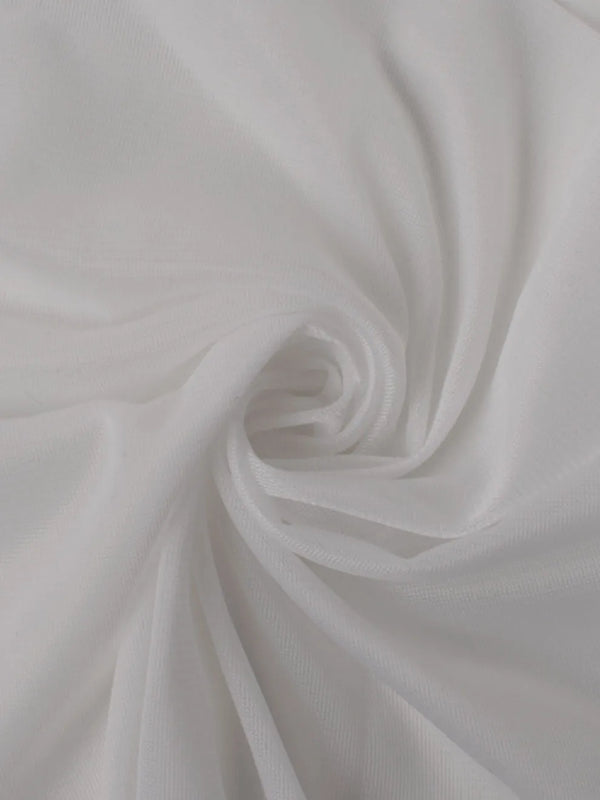
Silk tulle : the softest and most luxurious version, with a fluid drape and a more opaque, natural look. It's perfect for veils, lightweight dresses, and refined details.
-
Mixed fiber tulle : combines polyester, nylon or silk to achieve specific effects of texture, softness or shine, offering an excellent balance between aesthetics and functionality.
In addition to the differences in fibers, there are also structural variations of tulle fabric :
-
Stiff tulle : ideal for creating volume and defined structure. It is used in multi-layered skirts, crinolines, costumes, and stage sets.
-
Stretch tulle : Contains a percentage of elastane and adapts to the body's movements. It's perfect for fitted dresses, bodysuits, stretch details, or projects that require flexibility.
Choosing the right type of tulle fabric depends on the desired style and the project being created. Different fibers and variations allow for very different visual and textural effects.

Why Choose Tulle Fabric? All the Benefits You Should Know
-
Lightness and volume
-
Versatility in professional projects
-
Excellent aesthetic result
-
Ease of processing and adaptability
-
Wide availability of variants and finishes
The lightness of tulle allows for the creation of voluminous garments and accessories without weighing them down. For artisans and designers, this means adding movement, depth, and three-dimensionality to skirts, veils, or dramatic details while still maintaining excellent wearability.
The versatility of tulle is one of the main reasons it's chosen in the professional field. It can be used as a decorative layer, a structural element, or as an accent texture, easily adapting to tailoring, formal wear, ready-to-wear, and fashion accessories.
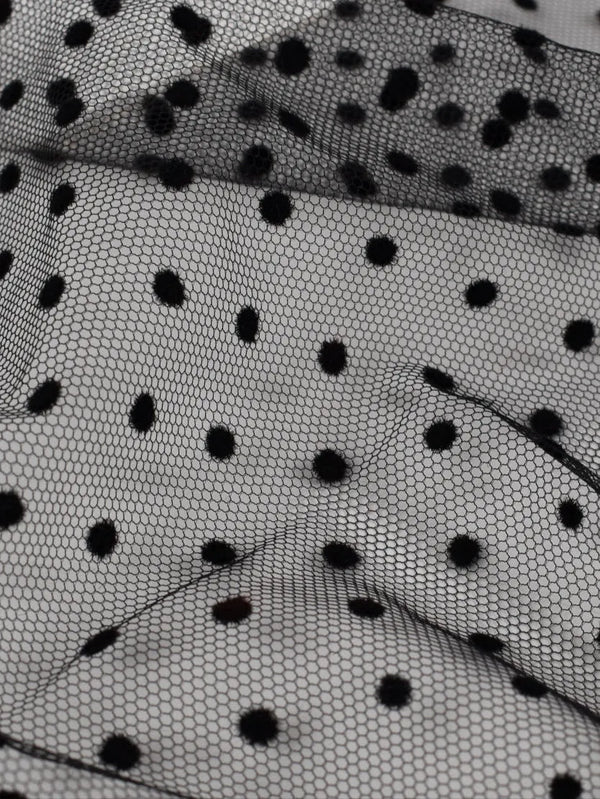
Another advantage is the aesthetic appeal of tulle , which can create visual effects that other materials don't. From the adjustable transparency to the brightness of the yarn, to the embroidered or glittery versions, this fabric adds a higher perceived value to the final project, making it particularly popular with brands.
Tulle is also easy to work with, a very useful feature for those who create custom garments or small-scale productions. It cuts easily, holds its shape in its stiffer versions, and is manageable even in its softer variations. This workability makes it an efficient choice for projects that require precision and speed.
Finally, the vast array of tulle fabric variations and finishes allows professionals to select exactly what they need: from rigid nylon to the finest silk, from stretch versions to embroidered or printed tulle. This wide range of options facilitates creative design and allows for precise, precise results.
What are the technical characteristics of tulle fabric?
Network Structure and Hole Density
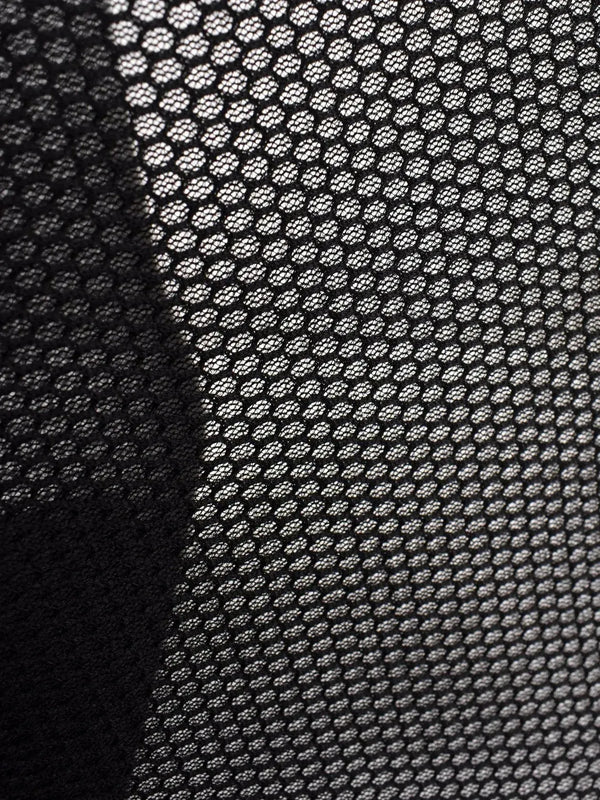
Tulle fabric is recognized by its hexagonal or octagonal mesh structure. The density of the mesh influences transparency, weight, and aesthetic appeal.
Main network parameters:
| Characteristic | Description | Impact on the result |
|---|---|---|
| Shape of the shirt | Hexagonal or octagonal | Stability, transparency |
| Density (holes/cm²) | From 8 to 20 | Higher = more compact tulle |
| Thread regularity | Uniform or slightly variable | Cleaner or more artisanal finish |
Weight and Weight per Meter
The weight is one of the most important elements for evaluating the quality of tulle fabric , especially in professional productions.
| Weight (g/m²) | Typology | Ideal use |
|---|---|---|
| 10–15 g/m² | Ultra light | Veils, decorative layers |
| 15–25 g/m² | Standard | Clothing, accessories |
| 25–40 g/m² | Structured | Stiff skirts, scenography |
Fiber Composition
The type of fiber determines the feel, stiffness, brightness and color rendering.
Most common fibers in tulle fabric :
-
Nylon → brighter, more resistant and structured.
-
Polyester → versatile, color-stable, cheaper.
-
Silk → prestigious, soft and naturally elegant.
-
Mixed → technical combinations to obtain hybrid characteristics.
Elasticity and Tensile Behavior
Mechanical behavior is fundamental for those who have to sew or make garments that require adaptability.
Types of elasticity:
-
Non-stretch: Greater stability, excellent for defined shapes
-
Stretch (with elastane): Better adaptability to movements, suitable for bodysuits, tight-fitting garments, costumes
| Technical test | Typical result | Notes |
|---|---|---|
| Elongation % | 5–40% | It depends on the presence of elastane |
| Elastic recovery | Medium-high | Essential for technical garments |
Strength and Durability
For those who produce professionally, it is also useful to evaluate the behavior of the tulle fabric over time.
-
Tear resistance: good in synthetic fibres, medium in silk.
-
Color stability: excellent in polyester, variable in nylon.
-
Heat reaction: nylon more sensitive, polyester more stable.
Available Treatments and Finishes
These technical features allow you to customize the material:
-
Antistatic
-
Fireproof (useful for scenography and events)
-
Resinated to give body
-
Glitter or lurex integrated into the thread
-
Embroidered or applied
For a detailed regulatory analysis of textile materials, you can consult the professional guides of Textile School .


Where to Buy Tulle Fabric Online for Craftsmen and Fashion Brands
Buying tulle fabric online is now a practical solution for professionals looking for specific materials, unique technical variations, and consistent availability. Purchasing through e-commerce allows you to quickly compare weights, compositions, colors, and types, allowing you to select the tulle best suited to your project without geographical or stock restrictions. It's important to check the technical data sheets, examine the detailed photos, and ensure the composition, weight, and mesh structure are clearly indicated.
At Zerow, you can find a wide selection of tulle fabrics , with different variations for tailoring, design, clothing, and creative projects. The catalog features different fibers, varying weights, and specific finishes, designed to support both artisanal production and fashion collections.


