






Types of Leather: A Guide by Animal, Tannage and Finish
A guide to the types of leather: how they differ by animal, tannage, layer and finish, and which leather to choose for bags, shoes, garments and accessories.

The main types of leather differ in four ways: the animal, the tannage, the layer of the hide and the surface finish. Knowing these helps explain why lamb nappa and tumbled calf behave so differently. It also helps you pick the right material for bags, shoes, garments or interiors.
This guide to the types of leather is for leather goods makers, shoemakers, garment workshops, designers and brands. It works as a map, with links to our detailed guides on each finish. It also shows what you will find among Zerow's deadstock leathers.
Types of leather by animal
The animal sets the structure of the hide: its thickness, density and size. That in turn decides what it is good for. Bovine hides are the most common and the toughest. Sheep and goat skins are lighter and softer.
| Animal | Properties | Typical uses |
|---|---|---|
| Calf | Fine, dense, hard-wearing grain | Bags, shoes, belts, small leather goods |
| Cowhide | Thicker and sturdier, more visible grain | Structured bags, belts, upholstery |
| Lamb | Very soft and light | Garments, gloves, linings |
| Goat | Visible grain, light but strong | Linings, small leather goods, shoes |
| Sheep | Soft, with or without wool | Jackets, shearling, garments |
| Exotics and exotic prints | Distinctive grains, often embossed | Accessories and details |


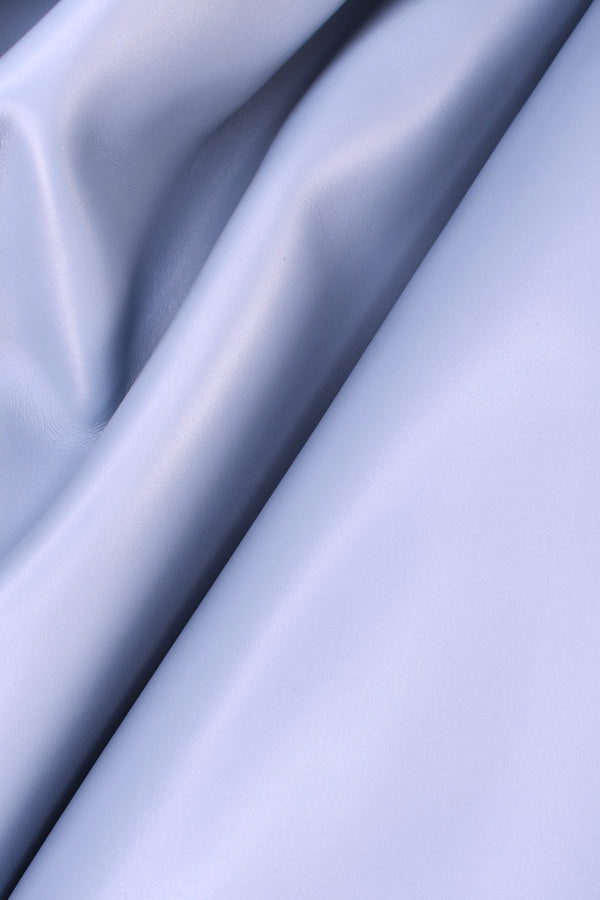
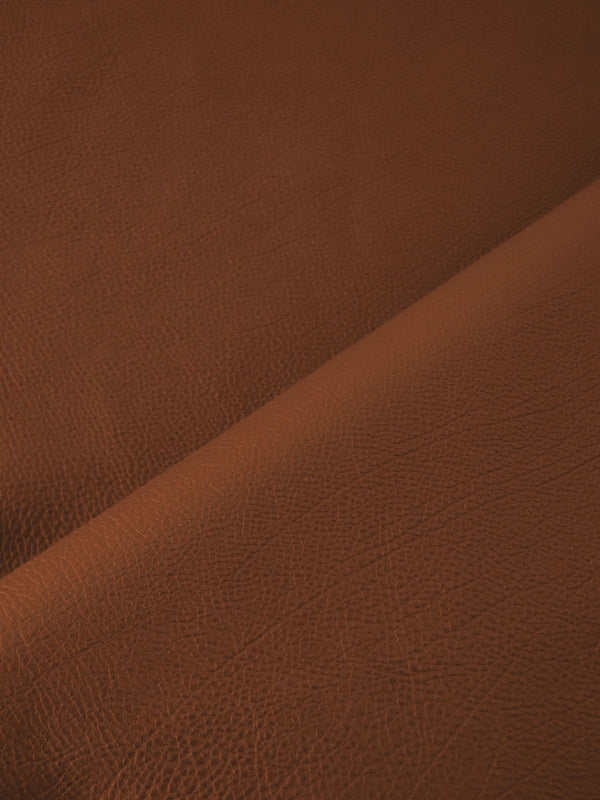


Types of leather by tannage
Tanning turns raw hide into a stable, lasting material. The method changes how the leather behaves. The two main families are chrome tanning and vegetable tanning.
| Chrome-tanned | Vegetable-tanned | |
|---|---|---|
| How it works | With mineral salts, quickly | With tannins from bark and wood, slowly |
| Handle | Soft and supple | Firmer and denser |
| Colour | Wide range, stable colours | Natural tones that darken with use |
| Ageing | Changes little over time | Develops a distinctive patina |
| Typical uses | Garments, soft bags, shoes | Belts, saddlery, handmade bags and goods |
If you want leather that improves with age, see our vegetable-tanned leather.
Full grain, corrected grain and split
Raw hides are split into layers, and quality depends a lot on which layer is used. Full grain is the outer layer left intact, with its natural grain. It is the finest and toughest. Corrected grain is the same layer lightly sanded to remove flaws and then finished, so it looks more even but less natural. Split is the lower layer. It is weaker and is mostly used as suede or with a coating.
Types of leather by finish
The finish is what you see and touch, and it is often how leather is searched for and sold. Each finish has its own detailed guide.
| Finish | What it is like | Read more |
|---|---|---|
| Nappa | Soft, smooth full grain | Nappa leather guide |
| Suede and chamois | Velvety surface | Chamois vs suede |
| Nubuck | Lightly sanded grain, fine velvety feel | Nubuck leather |
| Embossed, tumbled and hammered | Grain pressed in or brought out in a drum | Embossed and tumbled leather |
| Pony hair | Hide with short hair, often printed | Pony hair leather guide |
| Shearling | Sheepskin with its wool | Shearling guide |


Which leather for which product
| Product | Suggested leather |
|---|---|
| Structured bags | Smooth or embossed calf, cowhide |
| Soft bags | Tumbled calf, calf or lamb nappa |
| Shoes | Calf, suede, nubuck |
| Jackets and garments | Lamb nappa, sheepskin, suede |
| Gloves and linings | Thin lamb and goat |
| Belts and saddlery | Cowhide and vegetable-tanned leather |
Thickness matters as much as the leather type, and it depends on the item. That is why every product page lists the thickness in millimetres.
Where to buy deadstock leather
Zerow sells deadstock leathers. These are surplus and end-of-run skins from Italian luxury houses and tanneries, so no new production is needed. Quantities are limited and individual variants are rarely repeated. Once a skin is sold, it may not come back.
Leathers are sold by the skin, so you choose how many skins you need. Each product page shows the average m² per skin, the thickness and the other specifications. Businesses with a VAT number have dedicated terms. Samples are available to everyone.
Types of leather: frequently asked questions
What are the main types of leather?
Leather is grouped by animal (calf, cow, lamb, goat, sheep), by tannage (chrome or vegetable), by layer (full grain, corrected grain, split) and by finish, such as nappa, suede, nubuck, embossed or tumbled.
What is the best quality leather?
Full grain is generally the finest layer, because it keeps the natural grain and lasts longest. The right leather, though, always depends on the use.
What is the difference between chrome and vegetable tanning?
Chrome tanning is fast and gives soft leather with stable colours. Vegetable tanning uses natural tannins, takes longer and gives firmer leather that develops a patina.
What is split leather?
It is the lower layer of the hide, separated by splitting. It is weaker than the grain and is mostly used as suede or with a coating.
Which leather is best for a bag?
For a structured bag, choose smooth or embossed calf. For a soft bag, choose tumbled calf or nappa.
Can I order a sample before buying?
Yes. Samples are available to all Zerow customers, private and business, and that includes leathers. A sample is the best way to judge handle, colour and thickness in person.


