




Fabric Lining: Elegance and Functionality for Tailoring Suits and Designer Bags

Lining fabric is an essential material in both clothing and accessories. Whether it is a tailored suit or the inside of a handcrafted bag, this fabric provides impeccable finish, comfort and protection. Employed to enhance the inside of the garment or product, lining fabric adds a touch of care and sophistication, enhancing the wearing experience and durability. In this article we look at its main applications, technical characteristics, and the advantages it offers in both fashion and leather goods.
Lining fabrics: the ideal choice for finishing high-quality clothing and bags
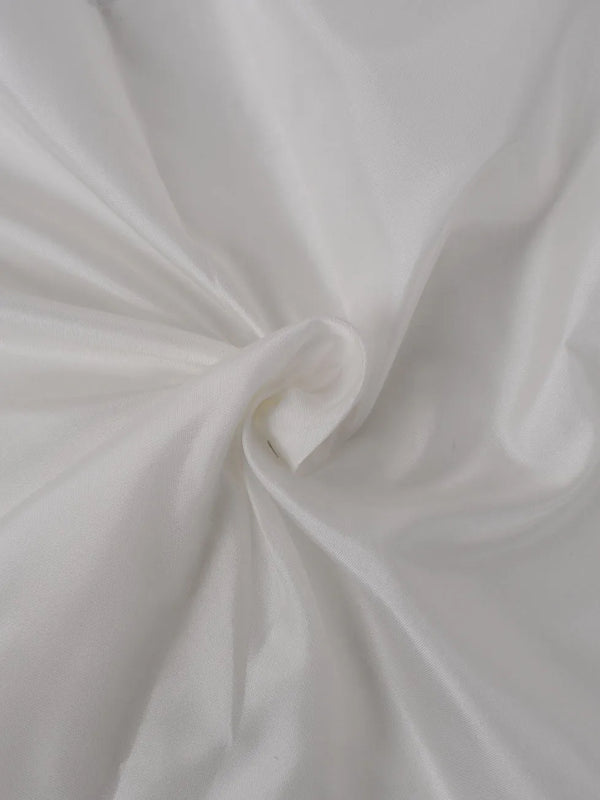
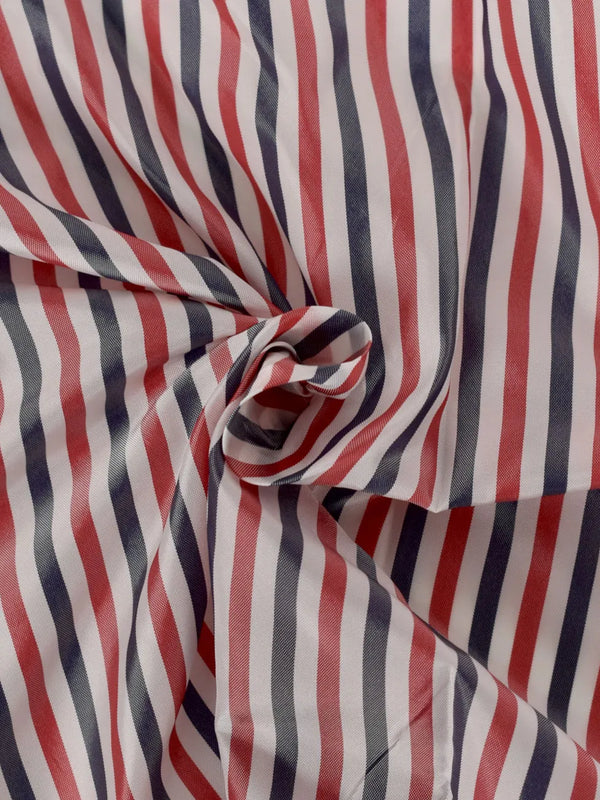
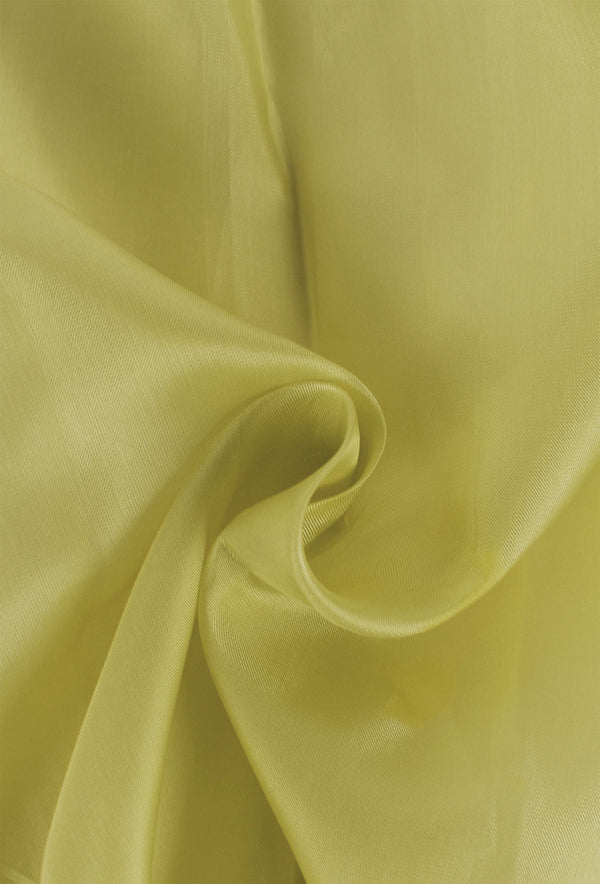
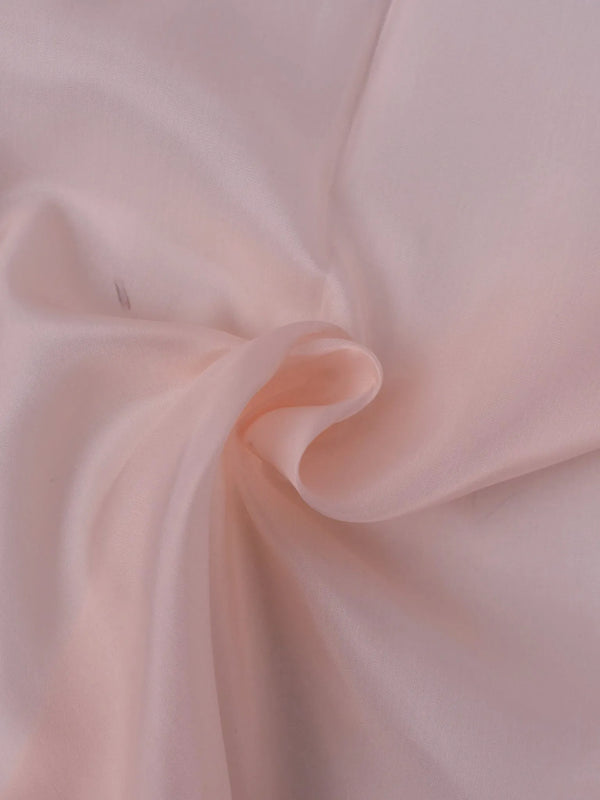
Lining fabric is used to precisely complement and finish a wide range of products: from tailored suits to high-end handbags. In both cases, it performs a dual function: on the one hand, it enhances the aesthetic perception and value of the artifact, and on the other hand, it protects the main materials and increases their functionality.
In tailored suits, the lining fabric allows the garments to glide better over the body, making them more comfortable to wear and more durable over time. In handbags, on the other hand, it contributes to interior tidiness, prevents wear and tear on the outer linings, and provides a neat, durable finish. From elegant dresses to evening clutches, every creation can benefit from a carefully selected lining.
Natural fibers such as silk or viscose are often preferred for their softness and breathability, while synthetics such as polyester suit bags and accessories well for their durability. In any case, choosing the right lining fabric is a strategic decision that can elevate the overall quality of the finished product.
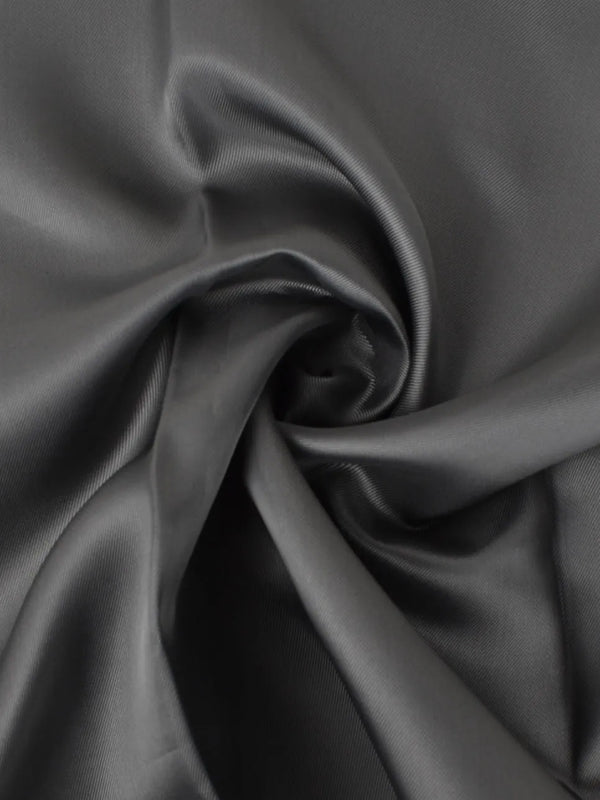
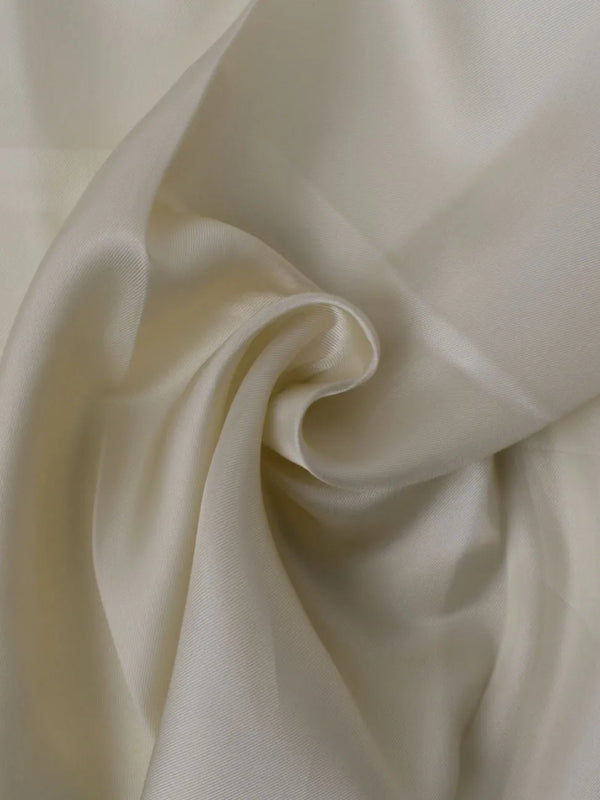

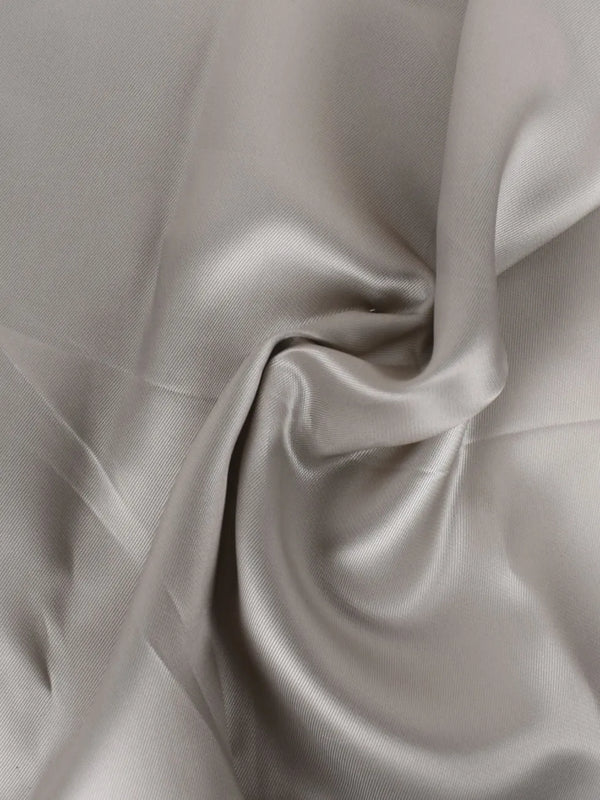
Why choose a quality lining fabric: key benefits
For tailored garments:
-
Better fit and comfort in contact with the skin
-
Protection of outer fabric from wear and tear
-
Elegant and professional finish
Lining fabric in tailored garments creates a smooth inner surface that allows the garment to move without friction on the body or other clothing. It makes it easier to put on and take off the garment, especially on materials such as wool or silk that would otherwise be excessively tight. This fluidity contributes to an elegant and unconstrained fit.
Acting as a barrier, the lining fabric absorbs skin moisture, oils, and dampens friction between the skin and the garment. In this way, it wards off premature wear and helps maintain the garment's original shape even after many uses and washes.
A well-chosen lining also enhances the garment's appearance. It conceals seams, padding and interlinings, giving a neat interior look and a luxurious feel from the first wear.
For bags and accessories:
-
Structural support and internal reinforcement
-
Protection from contained objects and resistance to abrasion
-
Practical and neat interior organization
In accessories, lining fabric serves to reinforce the interior of bags, helping to maintain shape over time. In soft or unstructured models, a lining made of a sturdy material (cotton canvas or polyester) provides internal rigidity without being overly heavy.
Materials such as nylon or reinforced cotton also protect the interior of the bag from sharp or abrasive objects (keys, pens). Lining fabric prevents internal wear that would compromise the leather or outer fabric, prolonging the overall life cycle of the product.
A well-lined interior promotes separation of compartments, provides an even surface, and contributes to a neat interior aesthetic. Especially in designer bags, a matching or contrasting but visually pleasing lining fabric enhances the consumer's perceived experience.
Technical characteristics: how to choose the right lining fabric
Lining is an essential element in the finishing touches of high-quality garments and designer bags. The performance of this fabric depends on the context in which it is used. Below is a technical comparison of apparel and leather goods requirements.
Comparison table: linings for garments vs linings for bags
| Feature | Dress Tailoring | Bags and Accessories |
|---|---|---|
| Recommended materials | Viscose, silk, cupro, acetate | Polyester, cotton canvas, nylon, technical blends |
| Ideal grammage | 60-120 g/m² | 120-200 g/m² |
| Indicative thickness | < 0.2 mm | 0.2-0.4 mm |
| Key features | Softness, breathability, lightness | Texture, strength, durability |
| Sensation to the touch | Silky, fluid, delicate | Compact, sturdy, solid |
| Typical use | Jackets, blazers, coats, skirts, dress pants | Handbags, backpacks, clutches, fashion accessories |
🔍 Other aspects to consider
✔️ Weave and texture
-
For tailored clothing:
-
Compact and smooth weave
-
Reduces friction with the skin and garment
-
Improves overall fit
-
-
For bags/accessories:
-
Woven or armored weave
-
Provides internal structure and resistance to sharp objects
-
✔️ Functional finishes
-
Garment linings:
-
Anti-static
-
Anti-crease
-
Treated to promote breathability
-
-
Bag linings:
-
Water-repellent
-
Stain-resistant
-
Reinforced for intensive daily use
-
✔️ Recommended maintenance
-
Washing
-
Synthetic fabrics: machine washable at low temperatures
-
Delicate fabrics: hand washing or dry cleaning preferred
-
-
Ironing
-
Always at low temperatures
-
Use a cloth between lining and iron
-
-
Storage
-
Avoid humid environments
-
Prefer dry, well-ventilated cabinets
-
Choosing the right lining fabric means striking a balance between aesthetics, function, and durability. A conscious choice improves not only the end result, but also the user experience for those who wear the garment or use the accessory.
For more details on the technical specifications and different types of lining fabric, you can check out this in-depth article.


How to match lining fabric to your creative design
To achieve a harmonious and consistent end result, it is essential to choose a lining fabric that matches well with the main material and context of use. Some practical tips:
-
Color consistency: for elegant clothes, choose linings that are tone-on-tone or with slight contrasts; for bags, opt for dark or dirt-resistant colors.
-
Textural consistency: a fine wool garment requires a light but warm lining; a thick leather bag needs a durable fabric, possibly canvas or nylon.
-
Context of use: consider whether the product will be used daily or occasionally. Linings for frequent use need to withstand more mechanical stress.
Lining fabric is not just a technical element, but an expressive tool that contributes to the perceived value of any product.
Lining fabric and sustainability: conscious choices
In today's context, the choice of lining fabric can also contribute to more responsible production. Some of the most interesting options include:
-
Linings made from reclaimed materials, sourced from high quality production leftovers
-
Regenerated or blendedfibers, when available, that offer a good compromise between performance and environmental impact
-
OEKO-TEX-certified treatments®, which guarantee the absence of harmful substances
Using a lining fabric from existing stock not only reduces waste, but adds narrative value to the product, in line with the needs of an increasingly sustainability-conscious consumer.
Buy lining fabric online: wide selection for fashion brands and tailors
Buying lining fabric online offers many advantages: it saves time, easily compares available options, and accesses a wider selection than traditional channels. Detailed product sheets, crisp images, and quick shipping make the shopping experience more convenient and transparent for professionals and hobbyists alike.
At Zerow you will find a wide and varied selection of linings from high-quality inventories: different weights, compositions and colors designed to meet sartorial and creative needs. Each material is carefully selected to ensure high performance and a more conscious choice from a sustainable perspective as well.


